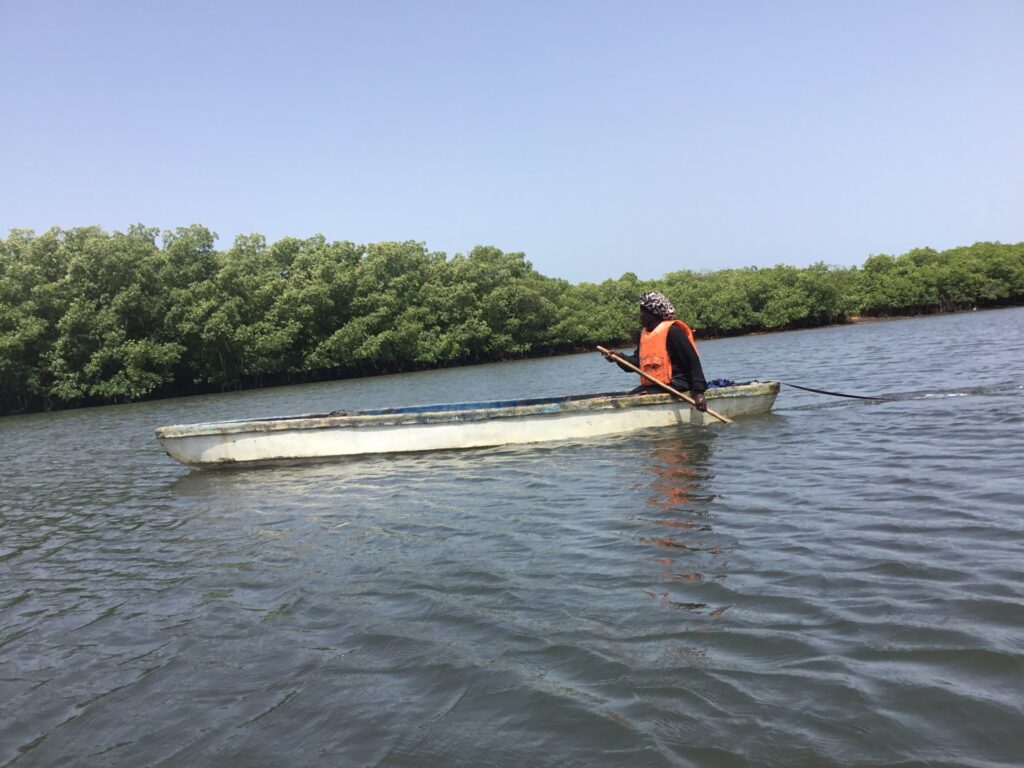
In the bustling island capital of The Gambia, Banjul, a quiet but vital revolution is taking place. Gambian women are at the forefront of a remarkable environmental movement to restore mangrove forests that shield the city from erosion and flooding. This grassroots effort not only safeguards the environment but also provides economic opportunities for the women involved.
Mangroves are crucial coastal ecosystems that prevent shoreline erosion, reduce the impact of storm surges, and serve as natural barriers against flooding. However, over the years, many of Gambia’s mangroves have been lost due to urban expansion, pollution, and climate change. Recognizing the importance of these trees, local women have embraced mangrove restoration as a way to protect their homes and livelihoods.
These women engage in planting and nurturing young mangrove saplings in vulnerable areas around Banjul. Their work involves careful selection of suitable sites, preparing the ground, planting the trees, and ongoing maintenance to ensure survival and growth. Their dedication has led to significant improvements in mangrove coverage, enhancing the resilience of Banjul’s coastline.
Beyond environmental benefits, the initiative empowers women economically and socially. The mangrove areas provide resources such as firewood and fodder, which women can sustainably harvest and sell. Additionally, the growing forests attract fish populations, supporting local fisheries that many women depend on for income.
Local organizations and community groups support these efforts by providing training on sustainable practices and facilitating access to markets for mangrove products. This collaborative approach strengthens community bonds and increases awareness about environmental conservation.
The women’s work has also had positive impacts on biodiversity. As the mangroves regrow, they create habitats for various bird species, fish, and other wildlife, contributing to a richer ecosystem.
In the face of climate change and rising sea levels, the restoration of mangroves by Gambian women is a beacon of hope. Their actions demonstrate how community-driven environmental stewardship can yield multifaceted benefits — protecting the environment, fostering economic development, and enhancing social cohesion.
The success story of these women serves as an inspiring example for other coastal communities worldwide facing similar challenges. By protecting their natural surroundings, they secure a safer and more sustainable future for themselves and generations to come.
Through resilience and determination, Gambian women are not only restoring mangroves but also restoring the balance between humans and nature, ensuring Banjul remains a vibrant city protected against the threats of environmental degradation.