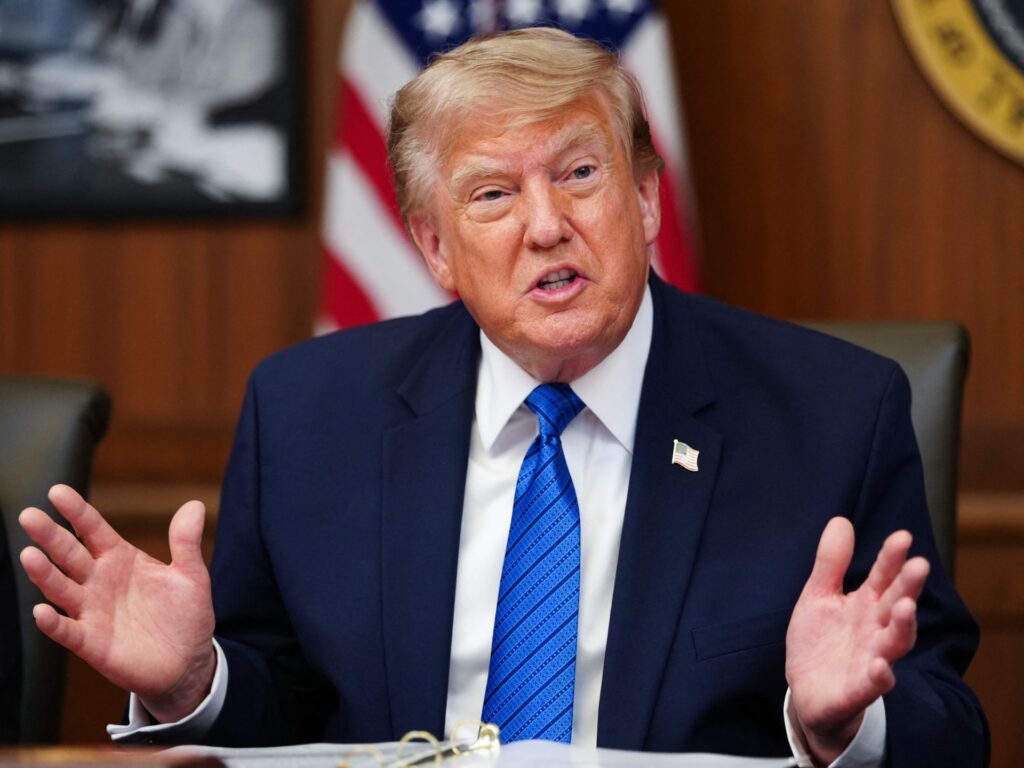
In a recent and stern declaration, US President Donald Trump has labeled the ongoing diplomatic talks with Iran as the country’s “last chance” to de-escalate tensions. This statement comes amid escalating confrontations in the strategically vital Strait of Hormuz, a key global oil transit chokepoint. The Strait of Hormuz has seen increasing military and naval activity, including blockades that threaten international shipping and energy supplies.
President Trump has taken a hardline stance, demanding what he describes as “Total Surrender” from Iran in the ongoing disputes. This phrase underscores the administration’s refusal to compromise on issues related to Iran’s nuclear program and regional influence.
The naval blockade has added urgency to the situation, with Iran asserting control over passages and the US responding by positioning military assets to ensure freedom of navigation. International observers are concerned that these actions could escalate into broader conflict.
Diplomatic efforts have been ongoing with the aim to bring Iran back to compliance with international nuclear agreements and to curb its ballistic missile developments and support for proxy groups in the Middle East. However, President Trump’s latest comments suggest that the US may be preparing for a more aggressive approach if Iran does not meet US demands.
The global community remains watchful as the situation in the Strait of Hormuz has significant implications for international energy markets. Any disruption in this area could lead to spikes in oil prices and destabilize the already volatile Middle East region.
In summary, the US administration’s latest position marks a critical point in US-Iran relations. President Trump’s insistence on “Total Surrender” and characterization of the talks as Iran’s “last chance” highlights the heightened stakes. The world awaits to see whether diplomatic negotiations can prevail or if the situation will deteriorate further into confrontation.