In recent years, the political landscape among Arab Americans in Michigan has seen a palpable shift, largely influenced by their stance on the Israeli-Palestinian conflict. Palestinians and their descendants have historically been a significant part of the Arab American community, and their concerns about Palestine continue to shape political priorities and voting behaviors.
During the 2024 elections, this dynamic was especially evident. Many Arab Americans in Michigan chose not to support Kamala Harris, citing her perceived alignment with pro-Israel policies as a major factor. This withdrawal of support signaled a broader discontent with politicians who are seen as unsupportive of Palestinian rights. The community’s collective voice is becoming increasingly influential, demonstrating that the Palestine issue is a litmus test for political allegiance.
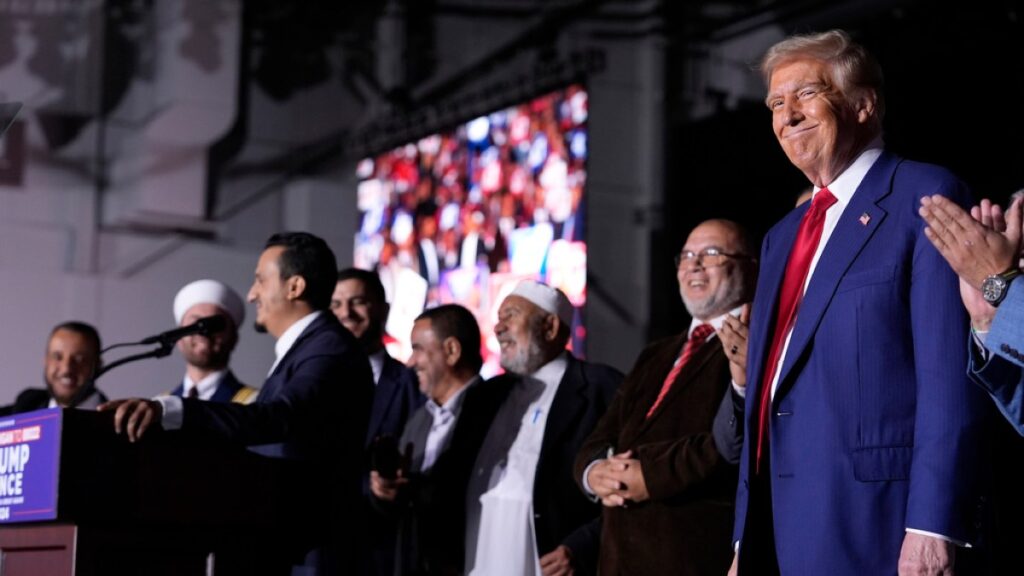
This sentiment is not limited to one side of the political spectrum. From Donald Trump’s presidency to the candidacy of Abdul El-Sayed, Arab Americans have consistently centred Palestine in their political considerations. Trump’s administration was known for its strong pro-Israel stance, including the controversial relocation of the US embassy to Jerusalem. This move was widely criticized within Arab American circles and heightened awareness and activism.
Conversely, candidates like Abdul El-Sayed, who openly express support for Palestinian rights, have garnered significant attention and backing within the community. El-Sayed’s approach highlights a new wave of political engagement, where Arab Americans look for representatives who understand their concerns about foreign policy and human rights.
Michigan, with its large and vibrant Arab American population, serves as a microcosm for this political evolution. The community’s prioritization of Palestine reflects deeper issues of identity, justice, and representation. Arab Americans are actively reshaping political narratives, pushing for policies that align with their values even if it means withholding support from traditionally allied politicians.
The impact of this shift extends beyond local politics. As Arab Americans continue to articulate a political front centred on Palestine, they challenge mainstream political discourse and advocate for greater recognition of Palestinian rights on the national stage. Their influence is poised to grow, ensuring that Palestine remains a critical issue in American political debates.
In summary, the evolving political stance of Arab Americans in Michigan—from skepticism towards candidates like Kamala Harris to support for figures like Abdul El-Sayed—underscores the central role Palestine plays in their political identity. This ongoing trend signifies a powerful redefinition of community priorities and promises to shape electoral outcomes and policy discussions for years to come.