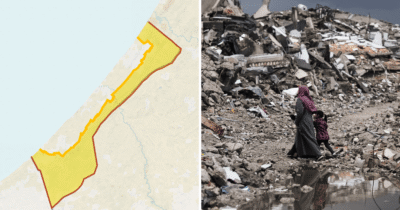
In Michigan, a significant shift is occurring within the Arab American community, deeply influencing the political landscape with a strong emphasis on Palestine. Historically diverse in political allegiance, US Arabs in the state are uniting around the Palestinian cause, which has become a pivotal concern in their voting behavior, especially in the 2024 election cycle.
This trend was noticeable during recent elections where Arab Americans withheld support for high-profile figures like Kamala Harris due to her perceived pro-Israel stance. Instead, they are gravitating towards candidates sympathetic to Palestinian rights, reflecting their community’s evolving priorities.
The political spectrum in Michigan features various candidates of Arab descent, including some previously peripheral figures who have risen to prominence by advocating for Palestine explicitly. Among them is Abdul El-Sayed, a notable progressive voice who champions Palestinian issues as central to his platform. His stance resonates with many Arab Americans who see in him a representative of their concerns on the national stage.
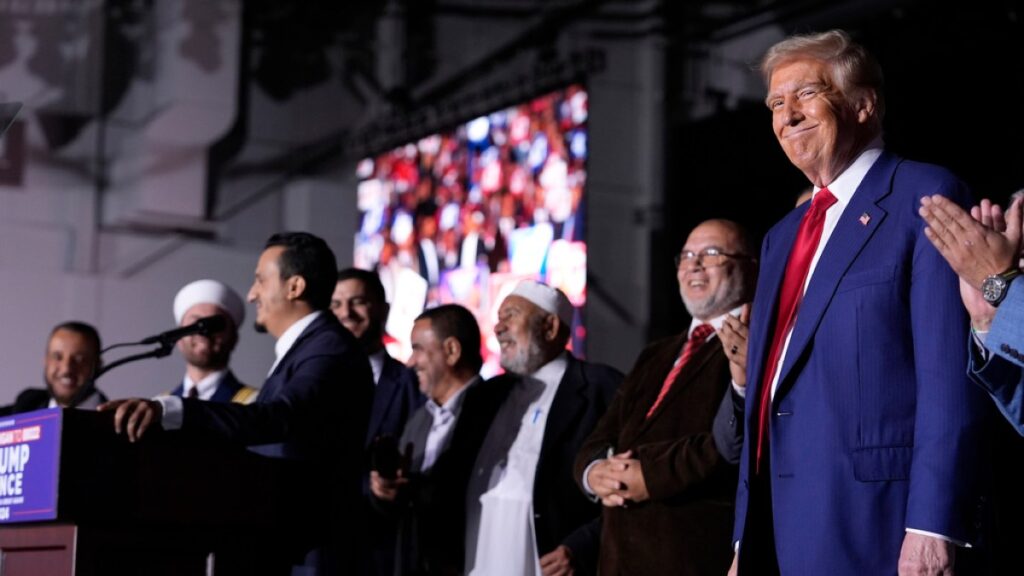
Meanwhile, the community’s political narrative has also intersected with broader US politics, including figures like Donald Trump, who has led a Republican approach often criticized for its unwavering support of Israel. This contrast highlights a broader debate within the Arab American electorate: balancing domestic political considerations with international and humanitarian concerns related to Palestine.
Community leaders and activists in Michigan underscore that the shift is not merely about a single election but a sustained political awakening. Arab Americans are increasingly organizing around issues that affect Palestine, seeking to influence both local and national politics through voter turnout, advocacy, and candidate support.
This transformation challenges conventional political alliances and signals a more politically engaged and issue-focused electorate. By prioritizing Palestine in their political calculus, Arab Americans in Michigan are reshaping the discourse and demanding a more nuanced and empathetic foreign policy from elected officials.
As the 2024 elections unfold, the impact of this political shift will likely be felt not only in Michigan but across the United States, signaling a growing recognition of Palestinian rights within the American political fabric. This evolution marks a significant step in how minority communities can affect the broader dialogue on international conflict and human rights through electoral politics.