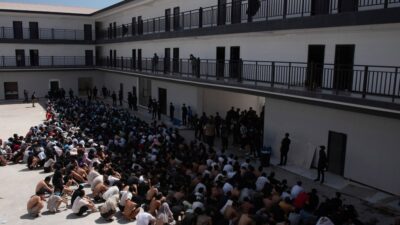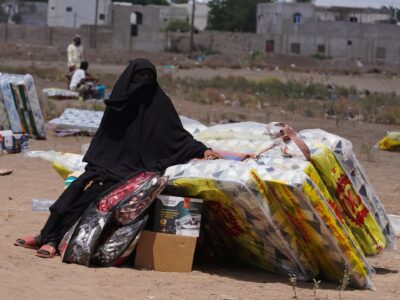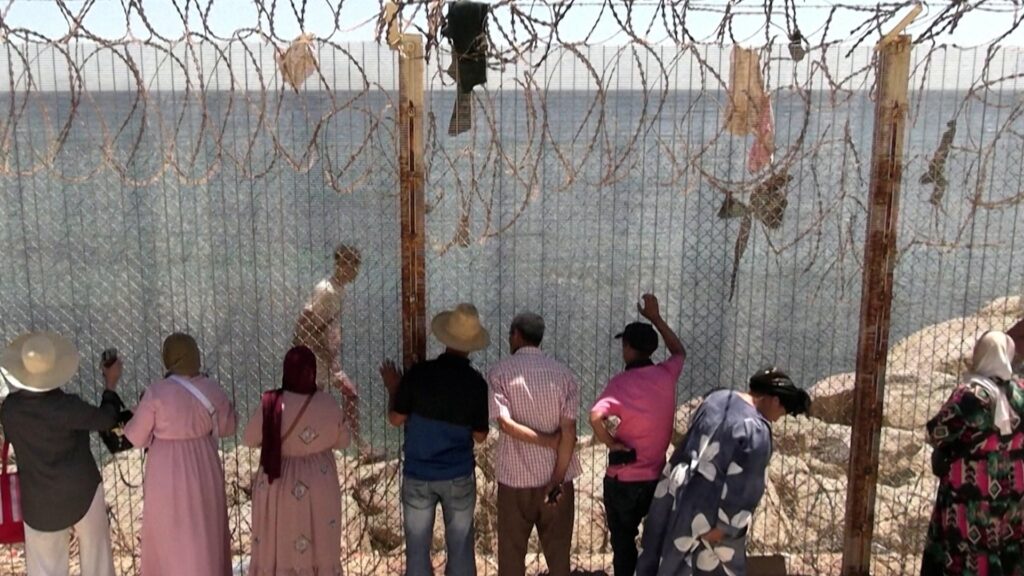
Last week, tragic and deadly crossings into Ceuta, a Spanish autonomous city on the northern coast of Africa, resulted in numerous casualties and left many families in northern Morocco devastated and searching desperately for missing loved ones. These events unfolded as migrants attempted dangerous sea crossings to reach European soil, highlighting ongoing migration challenges faced in the region.
Ceuta, along with Melilla, remains a highly contentious border area where many attempt to cross from Morocco into Spain, driven by hopes of better economic opportunities and safety. The recent incidents have drawn attention to the hazardous conditions and the immense risks individuals take during these crossings.
Following the deadly crossings, numerous families in northern Morocco have been left in anguish, anxiously trying to piece together information on the fate of their relatives. Communication gaps, limited access to official sources, and the chaos following the events have compounded their distress.
Local authorities and humanitarian organizations have mobilized efforts to provide support, including search and rescue operations, but challenges remain due to the complex geopolitical situation, border controls, and limited resources. Efforts to identify victims and assist survivors are ongoing.
The tragedy underscores the urgency for comprehensive approaches to migration management, addressing the root causes driving these dangerous journeys, such as poverty, violence, and lack of opportunities in migrant home countries.
Additionally, international cooperation is crucial to improve safety measures, enhance rescue operations, and provide humanitarian aid to those affected. The tragic events at Ceuta have prompted renewed calls from human rights groups for better protection of migrants and more responsible policies at borders.
Families affected by the crossings continue to advocate for transparency, support, and clearer communication from authorities regarding the fate of their loved ones. Psychological and social assistance is also being sought to help cope with the trauma.
As investigations and recovery efforts proceed, the situation remains a stark reminder of the human cost behind migration crises and the need for compassionate, coordinated global responses.
The Ceuta tragedy is not isolated; across the Mediterranean and other migration routes, similar heartbreaking stories emerge, emphasizing that migration is a complex humanitarian challenge demanding empathy, justice, and practical solutions.
In the meantime, the families in northern Morocco hold on to hope while navigating a painful wait for answers and the return of their loved ones, reminding the world that behind every statistic there are real human lives and stories.