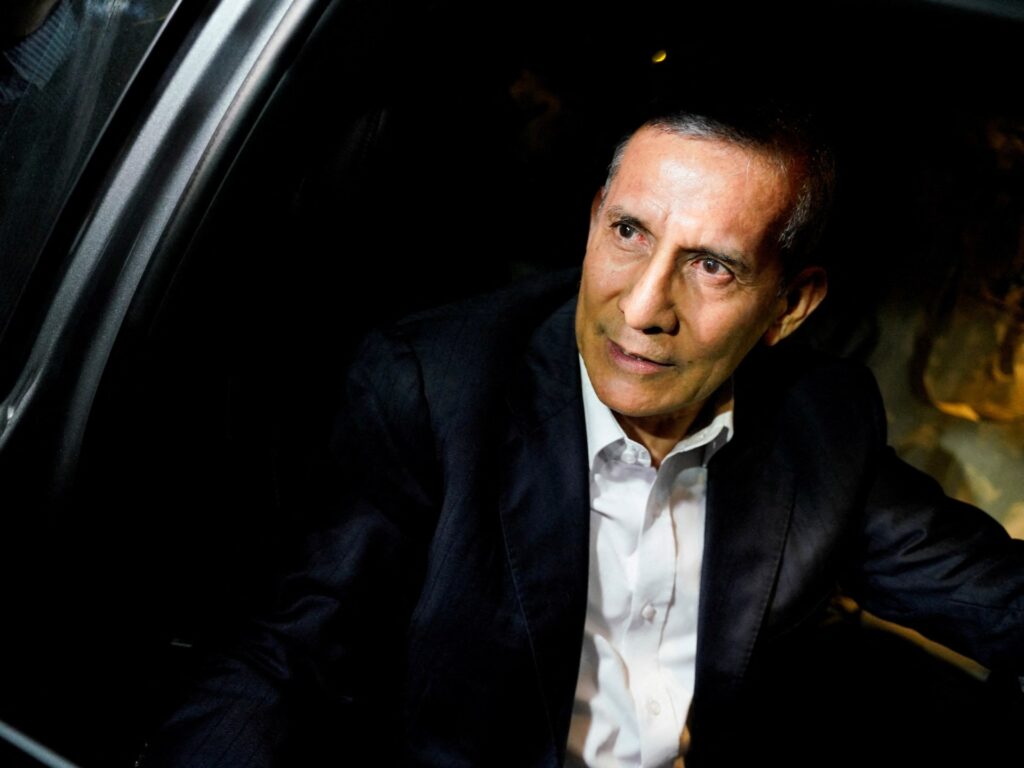
Ollanta Humala, the former president of Peru, has been released following the overturning of his conviction for money laundering. Humala and his wife, Nadine Heredia, were sentenced to 15 years in prison last year after being found guilty of laundering funds related to electoral campaigns.
The conviction marked a significant development in Peru’s ongoing efforts to combat corruption at the highest levels of government. However, the recent legal turnaround has raised questions about the evidence and judicial process that led to the initial verdict.
Humala, who served as president from 2011 to 2016, was accused of illegally receiving donations from Brazilian construction giant Odebrecht, a company at the center of a vast corruption scandal affecting several Latin American countries. The criminal case against him and his wife focused on alleged illicit campaign financing in the 2011 presidential elections.
Their imprisonment last year sent shockwaves through the political landscape in Peru, highlighting the judiciary’s willingness to hold former leaders accountable. Despite the severity of the sentence, many supporters of Humala have argued that the charges were politically motivated.
The Supreme Court’s recent decision to overturn the conviction is based on procedural irregularities and inconclusive evidence, according to legal experts involved in the case. This decision not only resulted in Humala’s release but has also sparked debates about the reliability and impartiality of anti-corruption prosecutions.
Following his release, Humala issued a statement asserting his innocence and thanking his supporters for their steadfast commitment throughout the legal battle. He emphasized the importance of justice being served and called for unity in tackling corruption moving forward.
The case continues to be closely watched domestically and internationally, given its implications for governance, transparency, and rule of law in Peru. While the overturning of Humala’s conviction may represent a setback for anti-corruption activists, it also underscores the complexities of legal proceedings in high-profile political cases.
The political environment in Peru remains tense, with many citizens divided over the legitimacy of judicial interventions in politics. Analysts suggest that this case could influence upcoming elections by shaping public perceptions of corruption and accountability.
In the meantime, Peru’s judicial system faces increasing pressure to improve transparency and efficiency to regain public trust. The government has pledged to implement reforms aimed at strengthening institutions and combating corruption more effectively.
Overall, the release of former President Humala signals a significant moment in Peru’s judicial and political history, reflecting broader challenges faced by Latin American countries in addressing corruption at the highest levels of power.