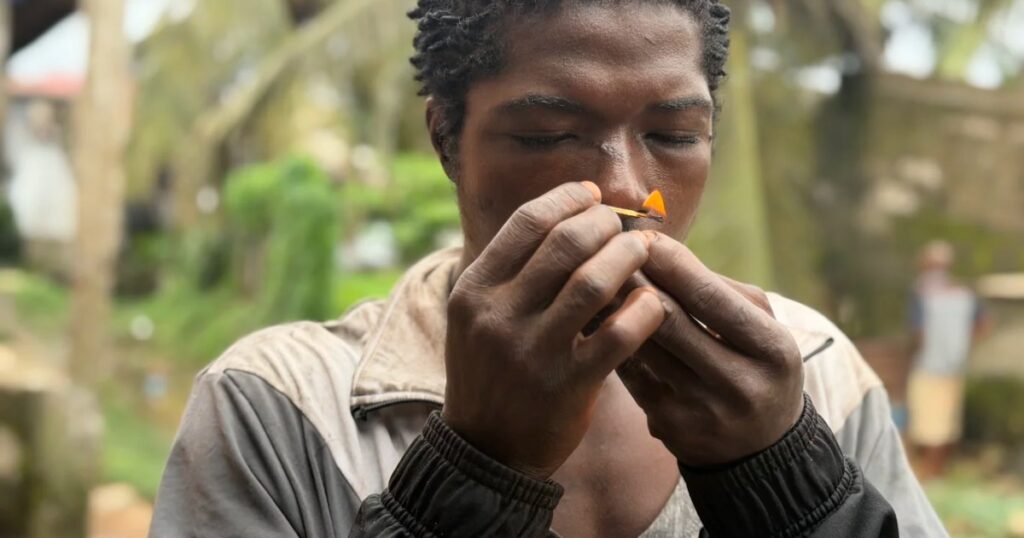
Liberia is currently grappling with a growing crisis fueled by the widespread use of ‘kush,’ a potent form of marijuana that has entrenched itself into the fabric of the society. This escalating issue is posing a serious threat to the younger generation and the stability of families across the nation.
Kush, known for its strong psychoactive effects, has become increasingly popular in Liberia, particularly among the youth. Its rapid spread is not just a consequence of rising drug use but also the product of an underground trade that remains frustratingly elusive to law enforcement.
Families in Liberia are bearing the brunt of this crisis. The addiction and behavioral changes associated with kush use have led to a breakdown in family structures, increased school dropouts, and a surge in youth delinquency. Many parents lament the loss of their children to this drug, which often leads them down a path of exploitation and danger.
Despite the visible impact on communities, traffickers behind the kush trade have largely evaded capture. This is partly due to the lack of adequate resources, infrastructure, and comprehensive strategies to tackle drug trafficking on a national level. The trade benefits from porous borders and a weak enforcement framework, allowing traffickers to operate with relative impunity.
Social and economic factors also feed into the crisis. High unemployment rates and limited opportunities make young people vulnerable to drug use and the lure of quick money through involvement in the kush trade. Additionally, the stigma and misinformation around drug addiction complicate efforts to provide effective support and rehabilitation for users.
Authorities have initiated various campaigns to curb kush use, focusing on education, awareness, and occasional crackdowns. However, these efforts have yet to make a significant dent in the problem, as the root causes remain unaddressed.
Experts argue that a multi-faceted approach is urgently needed. This includes strengthening border controls, improving law enforcement capabilities, and expanding rehabilitation programs. Moreover, community engagement and educational initiatives must be expanded to reach at-risk groups before addiction takes hold.
The kush crisis highlights a broader issue of governance and social welfare in Liberia. Without coordinated action, the country risks losing an entire generation to substance abuse and the criminal networks that profit from it.
As Liberia confronts this hidden trade, the question remains: how quickly and effectively can the nation respond before the social and economic consequences become irreversible? The future of many young Liberians hangs in the balance, urging immediate and sustained intervention to address this growing menace.