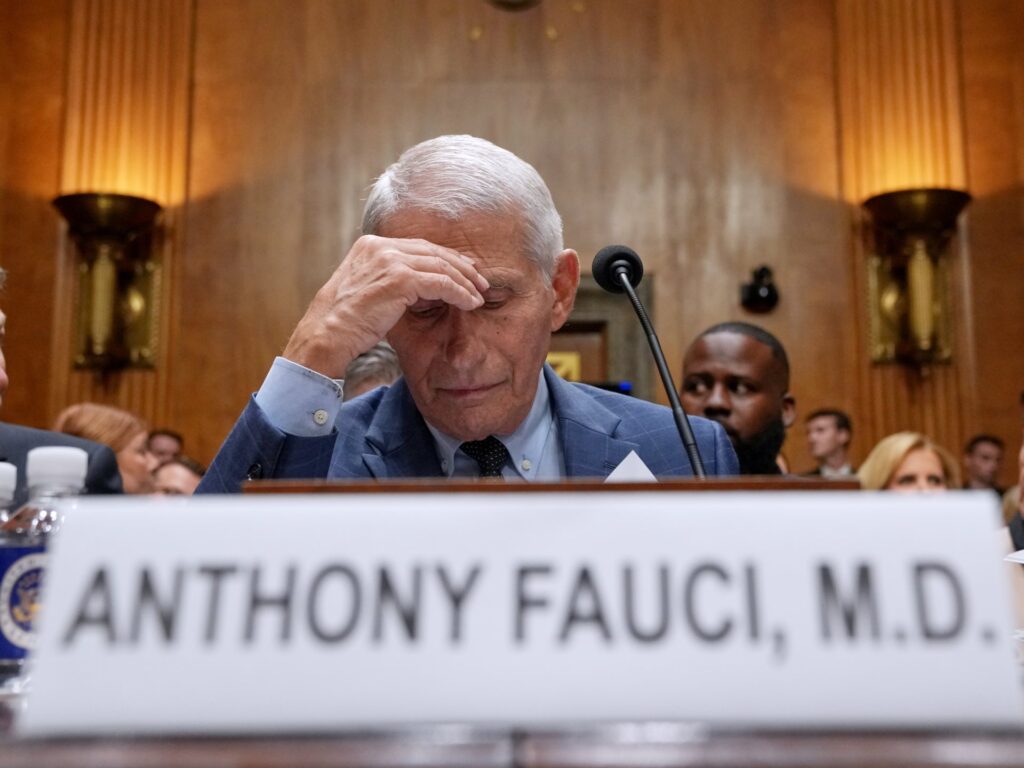
The recent hearing of Dr. Anthony Fauci before the US Senate has reignited the ongoing debate surrounding the origins of COVID-19. The hearing, which was highly anticipated, brought the contentious issue back into the public spotlight but revealed little new information, underscoring the enduring complexity and high politicization of the matter.
Dr. Fauci, who served as a leading figure in the US pandemic response, faced questions from Senators across the political spectrum. The hearing dramatized the sharp partisan divide that has characterized discussions about the virus’s origin for years. Republican Senators accused Fauci and the federal government of obscuring the truth, while Democrats defended the scientific community and cautioned against politicizing a sensitive investigation.
A significant focus was placed on allegations that misleading claims by the White House and other officials contributed to confusion and mistrust about the virus’s beginnings. Critics argue that early dismissal of the lab-leak theory by some authorities stifled objective inquiry, while supporters stress the need for basing conclusions on rigorous scientific evidence.
Despite the heated exchanges, the hearing did not produce definitive answers about whether COVID-19 arose naturally or from a laboratory incident. Experts continue to call for further transparent research and international cooperation to uncover the facts.
The ongoing debate highlights the challenges of navigating public health communication in a politically charged environment. It also reflects deep-seated tensions between political interests and scientific processes, which complicate efforts to learn from the pandemic and prevent future outbreaks.
As investigations proceed, the Fauci hearing stands as a testament to the enduring uncertainty and divisiveness surrounding the origins of COVID-19. It underscores the necessity for bipartisan dialogue and a commitment to evidence-based policymaking to address one of the defining issues of our time.