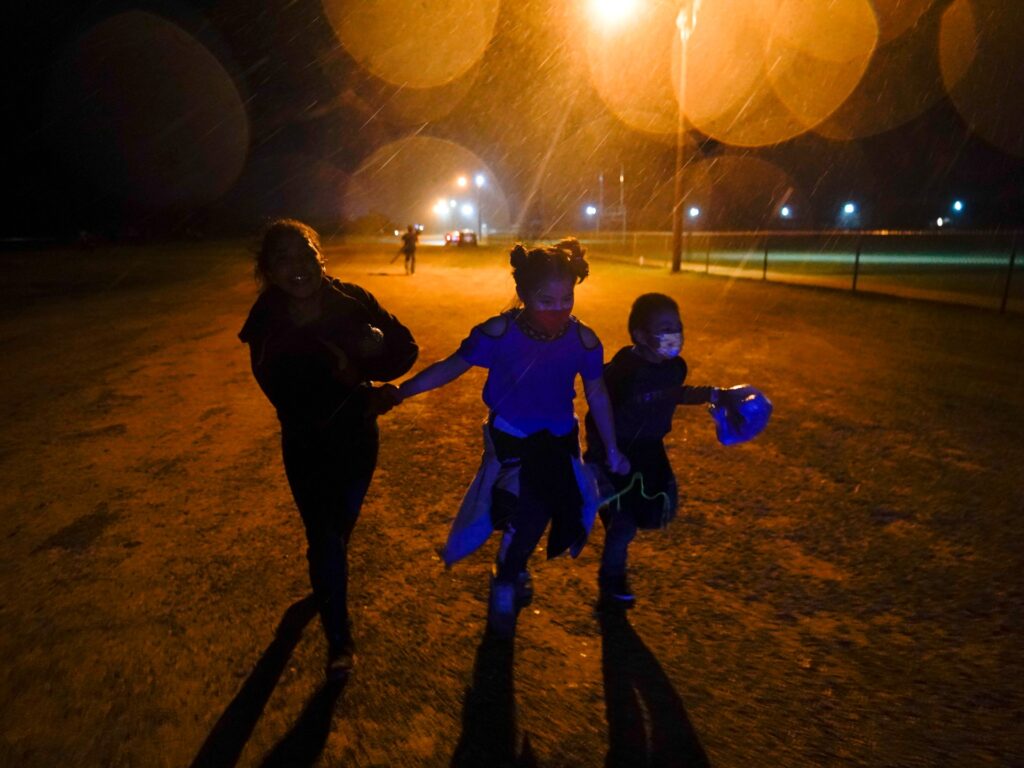
The expiration of a crucial legal support contract in the United States has raised alarm among advocates and legal experts who warn that up to 24,000 children could be left without necessary legal representation. This lapse significantly increases the risk that these vulnerable minors will face deportation without adequate defense.
For years, specialized legal services have played a vital role in safeguarding the rights of children involved in immigration proceedings. These services ensure that children, many of whom are asylum seekers or refugees fleeing dangerous conditions, have a fair chance to present their cases before immigration courts.
With the termination of this contract, numerous legal organizations and nonprofit groups that previously relied on these funds will no longer be able to provide the same level of support. This gap threatens to overwhelm an already strained system, leaving many children without qualified attorneys to guide them through complex legal processes.
Advocates emphasize that children are particularly vulnerable in deportation cases due to their age, unfamiliarity with legal procedures, and often traumatic backgrounds. The legal representation they receive not only helps navigate the technicalities of immigration law but also plays a crucial part in protecting their psychological well-being.
The potential fallout from this ending contract includes a rise in expedited deportations. Many children might be unable to fully understand or respond to charges against them, leading to removals without thorough examination of their right to asylum or other protections.
Human rights groups and legal advocates are urging policymakers and federal agencies to urgently renew or replace the expiring support agreement. They argue that maintaining access to legal services for children is not just a matter of legal necessity but a fundamental human rights issue.
This development has sparked calls for legislative action to secure stable and long-term funding for legal representation of immigrant children to prevent future disruptions.
In the meantime, organizations working on the ground are seeking emergency funding and partnerships to fill the void left by the expired contract. However, these stopgap measures may not be sufficient to cover the extensive needs of the estimated 24,000 children affected.
Ultimately, experts warn that without renewed support, the U.S. risks undermining its commitment to justice and child welfare, potentially causing irreversible harm to children who deserve protection and due process under the law.