IRAN-CRISIS/KHAMENEI
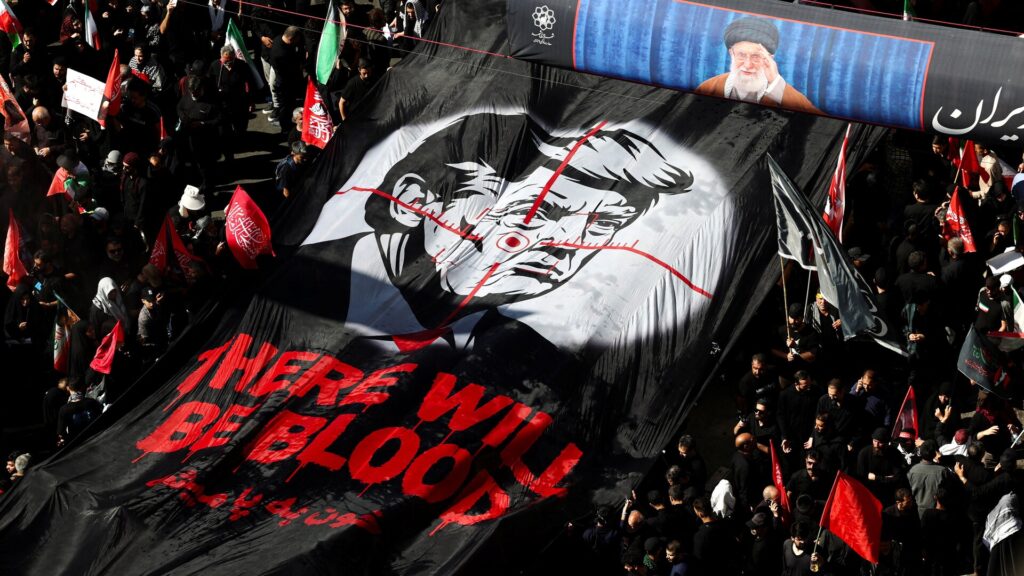
Recent statements from Iranian leaders and US President Donald Trump have heightened global concerns about the possibility of renewed conflict between the United States and Iran. Iranian leaders have declared that they will never surrender, signaling a firm stance against US pressure and potential military actions. Concurrently, President Trump announced that the ceasefire is ‘over,’ suggesting an end to any recent attempts at de-escalation between the two nations.
Despite these provocative declarations, it is important to note that as of now, the US and Iran are not officially at war. The situation remains tense with increased rhetoric and military posturing, but no formal declaration of war has been made by either side. The geopolitical climate in the Middle East continues to be fragile, with both countries engaging in diplomatic and military maneuvers.
Historical Context:
The US and Iran have had a tumultuous relationship since the Iranian Revolution in 1979, which saw the overthrow of the US-backed Shah and the establishment of the Islamic Republic. This shift drastically altered US-Iran relations, leading to decades of hostility that have included sanctions, proxy wars, and confrontations.
Key Issues:
Several critical issues underpin the ongoing tensions:
1. Nuclear Program: Iran’s nuclear ambitions have been a longstanding point of contention, prompting international sanctions and agreements such as the Joint Comprehensive Plan of Action (JCPOA), which the US withdrew from in 2018 under the Trump administration.
2. Regional Influence: Iran’s role in the Middle East, including its support for proxy groups in countries like Syria, Iraq, Lebanon, and Yemen, has been a significant source of conflict with US interests and allies.
3. Military Engagements: Clashes such as the US drone strike killing Iranian General Qasem Soleimani in early 2020 escalated tensions significantly.
Current Situation:
The recent statements by Iranian leaders affirming their refusal to surrender highlight their resolve amid ongoing sanctions and international pressure. President Trump’s comment about the ceasefire being ‘over’ likely refers to recent developments in regional conflicts where both sides accuse each other of violations and provocations.
Global Reactions:
The international community remains apprehensive about the potential for escalation. Many countries and organizations advocate for diplomatic solutions to prevent a full-scale war, which could have devastating consequences for the Middle East and beyond.
Looking Forward:
Observers suggest that while the rhetoric is heated and confrontations on the ground may persist, both the US and Iran are likely cautious about engaging in outright war due to the catastrophic nature and global impact it would entail. Diplomatic channels, including intermediaries and international bodies, continue to work towards de-escalation.
Conclusion:
Currently, the US and Iran are not at war, but the volatile rhetoric and recent developments signify a dangerous rise in tensions. Vigilance and diplomatic engagement are essential to prevent further deterioration of relations and to promote stability in the region.