The Strait of Hormuz, a strategic chokepoint for global oil shipments, has seen significant activity following the Memorandum of Understanding (MoU) signed between the United States and Iran on June 17. This agreement aimed to reduce tensions in the region and ensure the safe passage of maritime vessels through the corridor.
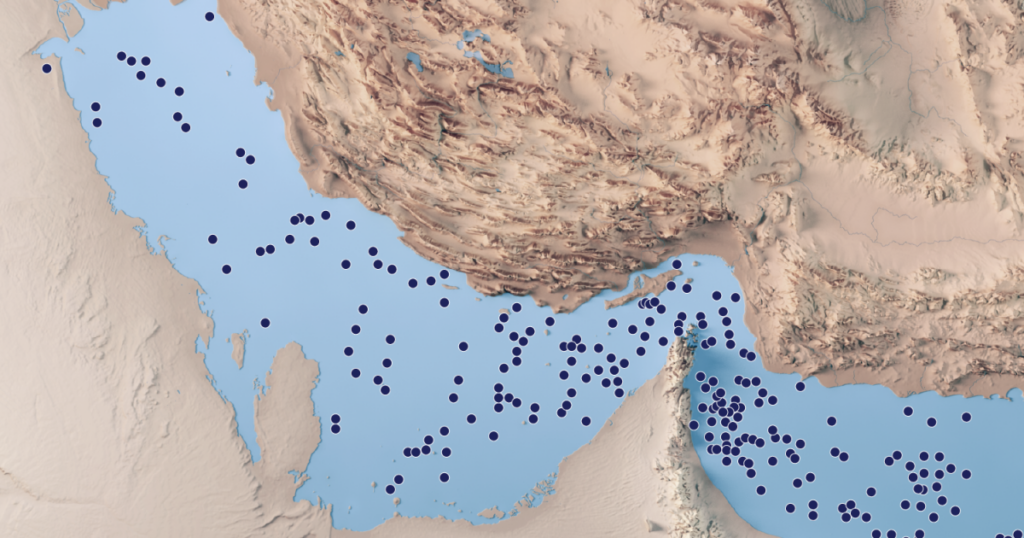
Since the signing of the MoU, more than 500 ships have successfully transited the strait, marking a notable improvement in navigational freedom compared to previous months characterized by heightened confrontations and threats of military action. These vessels include commercial oil tankers, cargo ships, and other maritime traffic crucial to international trade.
Despite this success, numerous ships remain stuck or delayed in the vicinity. These hold-ups are attributed to a combination of factors, such as lingering mistrust between regional actors, bureaucratic delays at ports, and ongoing security checks implemented to prevent potential threats. The situation reflects the delicate balance between maintaining security and facilitating unhindered commercial activity.
Experts suggest that while the MoU has contributed positively by opening dialogue channels and lowering immediate risks, long-term stability in the Strait of Hormuz depends on sustained diplomatic engagement, confidence-building measures, and cooperation among not only Iran and the US but also Gulf States and international stakeholders.
Recent weeks have also seen efforts to enhance maritime surveillance and communication protocols to mitigate incidents and foster transparency. Joint committees comprising representatives from involved nations have been established to oversee the implementation of the MoU and address emerging concerns.
The economic implications of the situation in the strait are significant. As a critical artery for a substantial portion of the world’s petroleum, any disruption directly affects global energy markets, causing price volatility and uncertainties for consumers and producers.
International shipping companies and insurers remain cautious, with many adjusting routes and coverage policies in response to the evolving security landscape. The continued presence of delayed vessels highlights the challenges in restoring complete confidence among maritime operators.
In conclusion, the US-Iran MoU signed on June 17 has brought about a partial easing of tensions in the Strait of Hormuz, allowing over 500 ships to pass through safely. However, issues persist with numerous vessels still stuck in the area, underscoring the complexities of securing this vital maritime passage. The future stability and security of the strait will rely on ongoing cooperation, transparent communication, and comprehensive security arrangements among all regional and international parties involved.