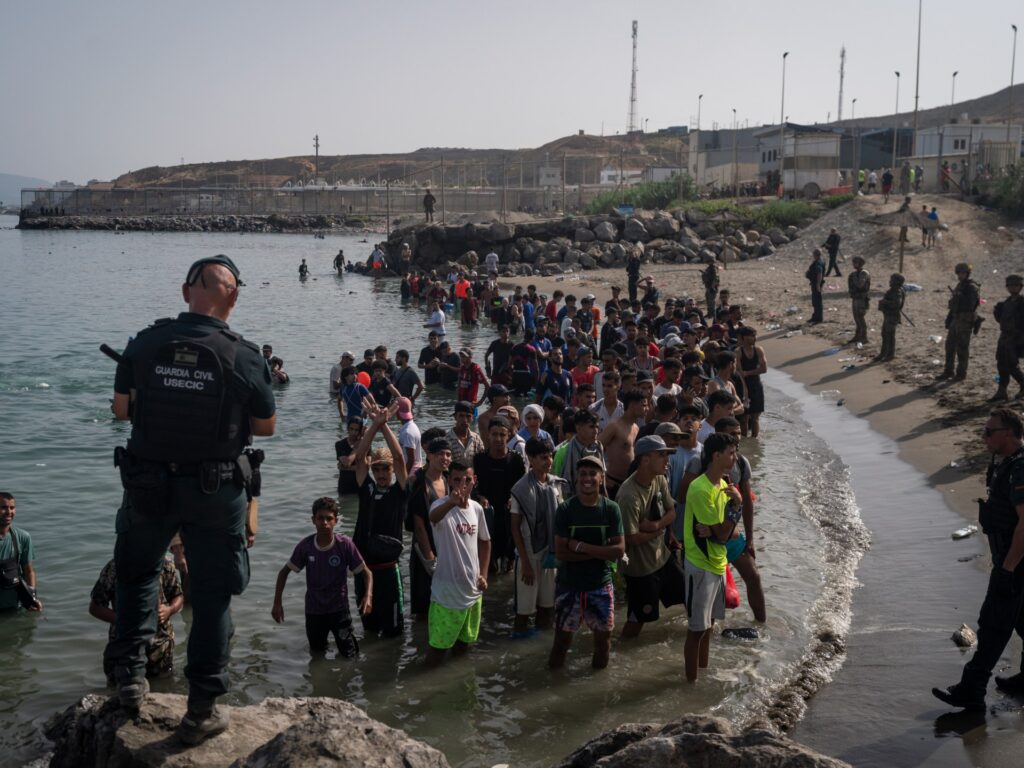
In recent developments, Spain has reported that a significant number of migrants are leaving Ceuta following a mass influx event that tragically resulted in the deaths of 67 individuals. The situation raised substantial humanitarian and security concerns, drawing international attention to the ongoing migration challenges at Europe’s borders.
Spanish authorities have been closely monitoring the situation in Ceuta, a Spanish autonomous city on the north coast of Africa, which serves as a critical entry point for migrants attempting to reach European soil. The mass influx overwhelmed local resources and emergency services, leading to a challenging response effort.
The Spanish Foreign Minister has assured both national and international audiences that, despite the influx, the integrity of the Schengen area — the passport-free travel zone encompassing most EU countries — remains fully intact and absolutely guaranteed. This statement aims to alleviate concerns about border security and the potential impact of irregular migration on Europe’s internal frontier.
Spain’s response to this crisis includes intensified border control measures, increased cooperation with Moroccan authorities, and enhanced humanitarian assistance to those affected. The Spanish government emphasizes the need for a balanced approach that addresses both the immediate humanitarian needs and the long-term challenges of migration management.
The tragedy in Ceuta underscores the perilous journeys undertaken by many migrants seeking better opportunities in Europe. It highlights the ongoing need for comprehensive international strategies to manage migration flows effectively while protecting human rights and ensuring security.
International organizations and human rights groups have called for continued support and increased aid to the region to prevent further loss of life and to improve conditions for migrants. Spain’s efforts to maintain the Schengen area’s integrity also reflect broader European concerns about migration and border security.
As the situation evolves, Spain remains committed to upholding European values and legal frameworks, ensuring that migration management respects human dignity and international law. The government continues to work closely with EU partners, Morocco, and international agencies to address the root causes of migration and to provide safe, orderly, and regular pathways for migrants.
This recent episode in Ceuta serves as a sobering reminder of the complexities surrounding migration in the Mediterranean region. It calls for sustained cooperation and comprehensive policy approaches at both national and European levels to safeguard lives and ensure security while upholding fundamental freedoms within the Schengen area.