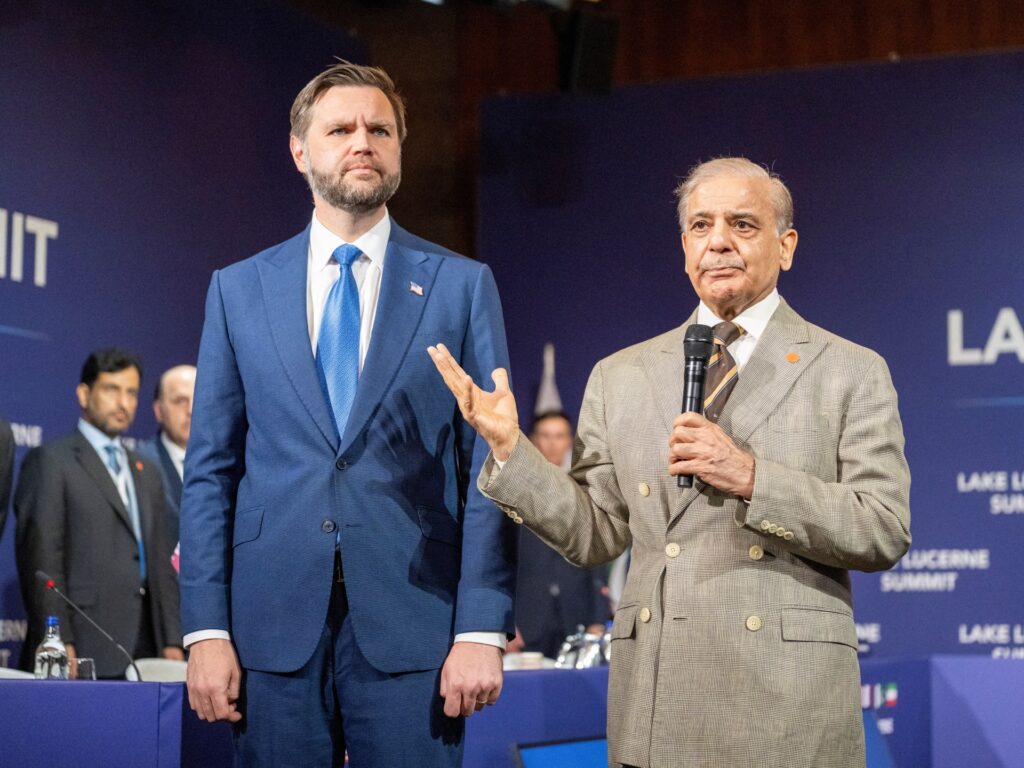
In the wake of escalating tensions and renewed attacks between the United States and Iran, Pakistan has stepped forward as a mediator, emphasizing that a renewed conflict is ‘in no one’s interest.’ Islamabad has called on both Washington and Tehran to honor their Memorandum of Understanding (MoU), aiming to de-escalate the situation and prevent a broader regional conflict.
The recent flare-up in hostilities between the US and Iran has sparked fears internationally about the potential for a wider conflagration in the already volatile Middle East region. Pakistan’s government has expressed deep concern over these incidents, which threaten to destabilize South and Central Asia.
A spokesperson for the Pakistani Foreign Ministry stated that the country remains committed to fostering peace and stability in the region. Pakistan urged both parties to engage in dialogue and resist further provocations. The spokesperson reiterated Pakistan’s willingness to act as an impartial mediator to facilitate communication and resolution between the two sides.
This call for restraint comes amid various incidents of renewed attacks reported along the US-Iran divide, including missile launches and targeted strikes. Such hostilities exacerbate longstanding tensions stemming from geopolitical, ideological, and strategic differences. Islamabad warned that escalation could impact not only the immediate region but also global peace and security.
Pakistan’s advocacy aligns with its broader diplomatic efforts to promote harmony and counter sectarian strife, which have historically threatened regional cohesion. Islamabad underscored that conflict serves no one’s interest, reaffirming its position to encourage non-violent resolutions to disputes.
The Memorandum of Understanding mentioned in Pakistan’s statement refers to previous understandings designed to reduce friction and establish mechanisms for dialogue between the US and Iran. Both sides had largely adhered to these arrangements until recent provocations undermined trust.
Experts highlight that Pakistan’s involvement as a mediator is significant due to its strategic location and close ties with various stakeholders in the Middle East. Pakistan has traditionally maintained balanced relations with both Iran and the United States, enabling it to act as a bridge for communication.
Regional observers welcomed Islamabad’s diplomatic approach, seeing it as a constructive step in mitigating the risk of full-scale confrontation. The international community echoes similar concerns, stressing the importance of dialogue to avert conflict escalation.
In conclusion, Pakistan’s urging of both the United States and Iran to honor their commitments and pursue peaceful dialogue serves as a critical voice of reason. The renewed conflict, while intensifying fears, also highlights the urgent need for constructive mediation efforts to protect regional and global stability.