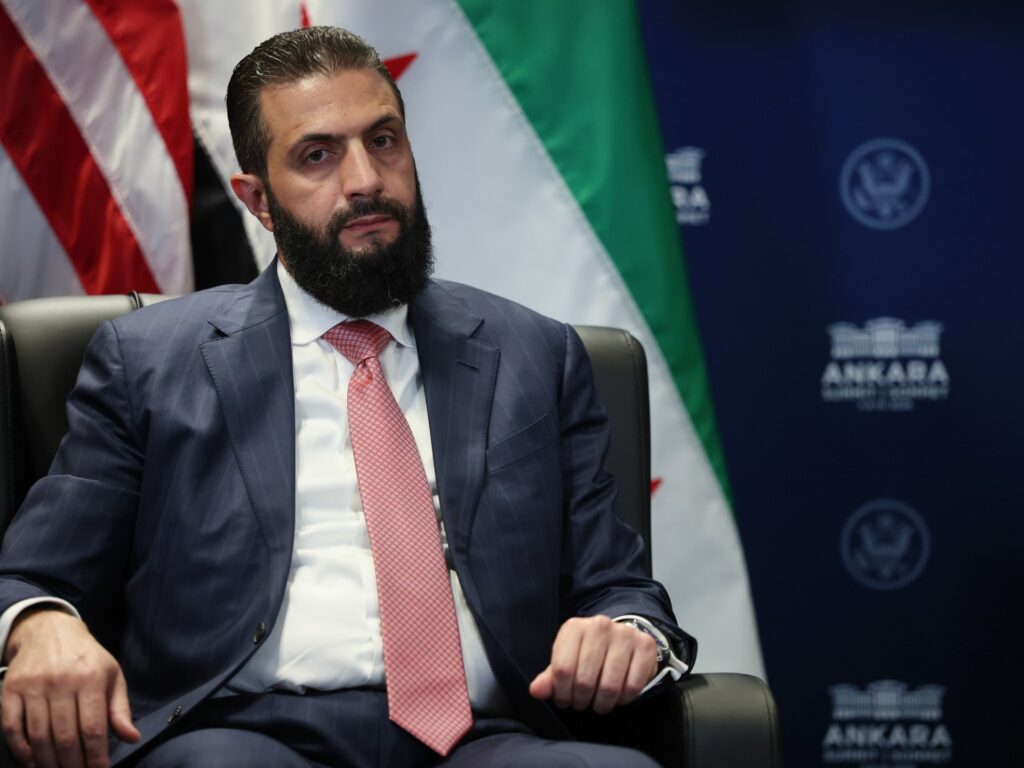
The Organisation for the Prohibition of Chemical Weapons (OPCW) has restored Syria’s voting rights, a significant development reflecting progress in addressing issues related to chemical weapons within the country. Syria had previously been suspended from voting as a result of ongoing disputes and concerns about its use of chemical weapons in the protracted civil conflict. However, new leadership within the OPCW has acknowledged recent steps taken by Syria toward cooperation and compliance, prompting the decision to reinstate their participation rights.
This move signals a hopeful step forward in international efforts to monitor and eliminate chemical weapons, which have been a major point of contention and humanitarian concern throughout the Syrian conflict. The OPCW’s actions come after extensive diplomatic engagement and efforts to verify Syria’s adherence to the Chemical Weapons Convention (CWC), an international treaty that outlaws the production, stockpiling, and use of chemical weapons.
Syria’s return to voting status will enable the country to have a voice in future OPCW decisions and contribute to discussions on chemical weapons disarmament and non-proliferation. This development is expected to boost ongoing efforts to bring about peace and stability in the region by encouraging transparency and accountability.
The OPCW’s decision reflects a broader commitment to upholding international law and preventing the re-emergence of chemical weapons as a tool of warfare. It underscores the organization’s pivotal role in maintaining global security and the importance of cooperation among member states.
Despite ongoing challenges and concerns, the restoration of Syria’s voting rights is viewed by many as a pragmatic step designed to foster dialogue and engagement, rather than isolation. It emphasizes the belief that progress, even when incremental, can pave the way for more comprehensive solutions to complex international security issues.
In summary, the OPCW’s restoration of Syria’s voting rights marks a notable development in the global chemical weapons disarmament landscape. It is a testament to the continuing efforts of the international community to address and mitigate the threats posed by chemical weapons, with the ultimate goal of achieving a safer and more secure world for all.