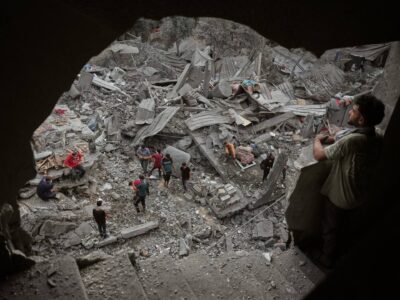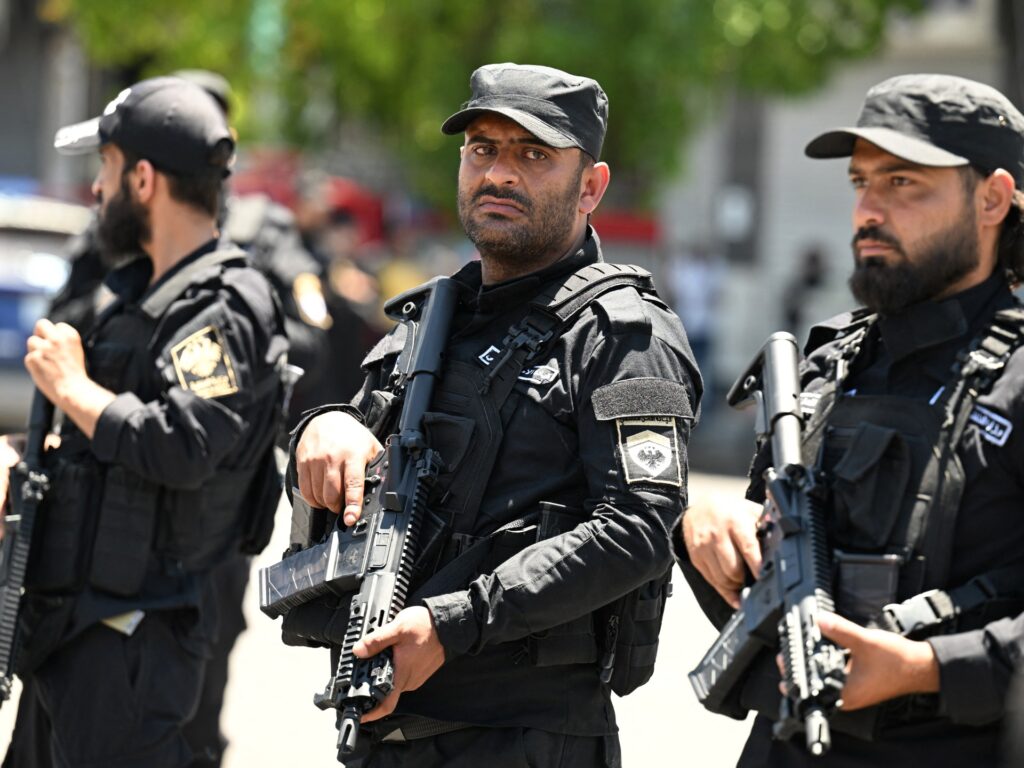
In recent days, Syria has found itself navigating a difficult path, tightening security measures amid a series of deadly explosions that have shaken the capital, Damascus. These back-to-back blasts have not only rattled residents but also underscored the fragile state of security in the war-torn country.
The explosions, which occurred in quick succession, caused significant casualties and widespread fear among the population. Authorities responded swiftly, increasing the presence of security forces across the city and implementing heightened surveillance protocols to prevent further attacks.
The Syrian government, already grappling with the challenges of ongoing conflict and economic hardship, now faces the complex task of balancing firm security measures with the need to maintain public trust and avoid escalating tensions. The heightened security presence, while aimed at safeguarding citizens, has also led to restrictions on movement and increased checks that affect daily life.
Residents have reported a visible increase in checkpoints, patrols, and security screenings, particularly in sensitive areas of the capital. The government insists these steps are necessary to root out any remaining pockets of insurgency and ensure the safety of civilians.
International observers have noted the delicate position Syria is in, as it seeks to demonstrate control and stability without further alienating its populace, who have endured years of hardship. Experts suggest that the government’s approach reflects an urgent need to restore order while being wary of triggering more unrest.
The twin blasts have highlighted vulnerabilities in Syria’s security apparatus, prompting calls for improved intelligence and cooperation with allied forces. The situation remains fluid, with authorities on high alert to thwart any emerging threats.
Despite the challenges, many Syrians have expressed resilience and hope for a return to peace. Community initiatives and local leaders are playing a pivotal role in encouraging calm and unity in the aftermath of the attacks.
As Syria tightens its security grip, the balance between ensuring safety and preserving daily life continues to be a critical issue. The government’s response in the coming weeks will likely influence the country’s path toward stability and recovery.
In sum, the recent deadly blasts in Damascus have compelled Syria to implement stringent security measures, testing the government’s ability to protect its citizens while navigating a complex social and political landscape. The outcome of this balancing act will be pivotal in determining Syria’s immediate future and its ongoing quest for peace.