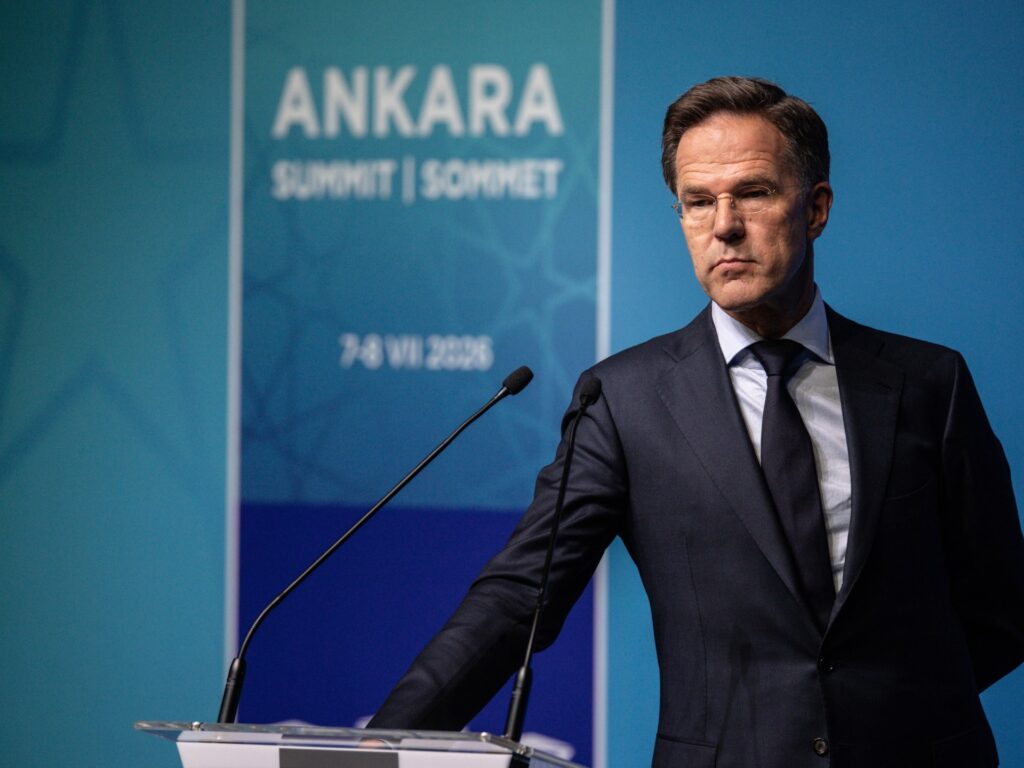
NATO has issued a stern call to its member countries, urging them to present comprehensive plans outlining how they intend to meet established defence spending targets. This demand underscores the alliance’s commitment to maintaining collective security and ensuring that all members contribute their fair share to shared defence responsibilities.
In recent statements, the United States, a leading NATO member, has emphasized the potential consequences for countries that fail to provide clear, actionable spending plans. This warning signals heightened expectations from the US and reflects ongoing efforts to strengthen NATO’s financial and operational readiness in an increasingly complex global security environment.
NATO’s defence spending target generally refers to the guideline that members allocate at least 2% of their Gross Domestic Product (GDP) to defence. This commitment, agreed upon during the 2014 Wales Summit, aims to ensure that the alliance maintains sufficient capabilities to address various threats and challenges. However, many countries have struggled to meet this goal consistently.
The US administration asserts that while absolute spending levels matter, the existence of credible, forward-looking plans is equally critical. These plans not only demonstrate a member country’s dedication to the alliance but also enable coordinated strategic planning and resource allocation within NATO.
The pressure on NATO members has intensified as geopolitical tensions have risen in various regions, highlighting the importance of a united and well-funded defence alliance. Moreover, discrepancies in defence spending have caused friction within NATO, with some countries accused of relying disproportionately on others to shoulder the financial burden.
By pressing members to submit detailed plans, NATO aims to foster greater transparency and accountability. It also seeks to encourage a proactive approach to defence investment, ensuring that resources are allocated efficiently to meet current and future security challenges.
The US warning about possible consequences suggests that NATO may consider measures such as re-evaluating burden-sharing agreements or influencing political and military cooperation with non-compliant members. While specific repercussions have not been detailed, the message conveys serious diplomatic pressure to adhere to agreed commitments.
NATO Secretary General has reiterated the strategic necessity of meeting spending targets, describing defence investment as pivotal to the alliance’s ability to deter aggression and respond to crises swiftly. Maintaining robust defence budgets is viewed as integral to preserving the transatlantic bond and supporting collective defence mechanisms.
Member countries have responded variably to these demands. Some have recognized the importance of ramping up defence spending and are in the process of developing or updating their plans. Others face domestic political and economic challenges that complicate their ability to commit significant resources.
Analysts note that while financial contributions are a vital element of NATO’s strength, effective defence also depends on modernization, interoperability, and strategic alignment. Hence, comprehensive spending plans must also reflect clear objectives for capability development and alliance integration.
Looking forward, NATO’s insistence on clear defence spending strategies reflects a broader trend towards reinforcing the alliance amid persistent and emerging threats. As geopolitical dynamics evolve, ensuring that all member states meet their obligations will remain a central focus for maintaining collective security.
In conclusion, NATO’s call for delivery of detailed defence spending plans marks a critical step in reinforcing alliance unity and operational readiness. By holding members accountable to their financial commitments, NATO aims to sustain a balanced and effective defence posture, crucial for safeguarding peace and stability across the transatlantic region.