The Democratic Republic of Congo (DR Congo) is currently grappling with its 17th Ebola epidemic, which has tragically led to over 500 deaths to date. This latest outbreak is caused by the Bundibugyo strain of the Ebola virus, a variant that poses significant challenges due to the absence of an approved vaccine or established treatment options.
Since the onset of this outbreak, health authorities and international organizations have been urgently working to contain the spread of the virus and treat those affected. Ebola, a severe and often fatal illness, spreads through direct contact with the bodily fluids of infected individuals, making containment efforts crucial to prevent further transmission.
The Bundibugyo virus, identified as a distinct Ebola virus species in previous outbreaks, has been relatively less common than the Zaire strain seen in past epidemics. Unfortunately, this strain lacks any authorized vaccines or therapeutics, complicating prevention and management strategies.
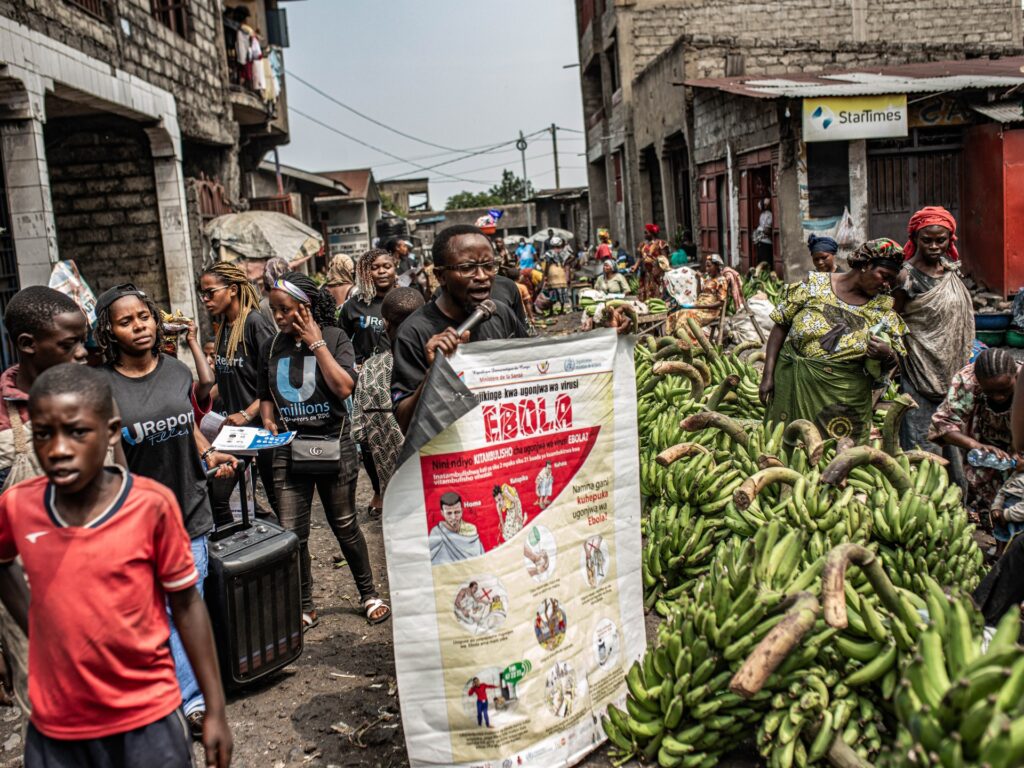
Health officials emphasize that early detection and supportive care remain the primary methods for improving patient survival rates. Efforts include community engagement to educate people about hygiene practices and symptoms, as well as strengthening health infrastructure to respond swiftly to new cases.
The impact of this ongoing epidemic extends beyond immediate health concerns, affecting socio-economic conditions and straining the fragile healthcare system in DR Congo. The epidemic has disrupted daily life and exacerbated vulnerabilities in affected communities, underscoring the urgent need for global cooperation and increased funding to support outbreak response efforts.
International agencies, including the World Health Organization (WHO) and humanitarian groups, continue to provide critical support to DR Congo. However, the evolving nature of the Bundibugyo virus outbreak calls for sustained vigilance and innovative approaches to manage and eventually end the epidemic.
The developments in DR Congo serve as a sobering reminder of the persistent threat posed by Ebola and the importance of ongoing research to develop vaccines and treatments for all Ebola virus strains. As the death toll surpasses 500, the global health community is closely monitoring the situation, hoping that lessons learned from past outbreaks will aid in controlling the current epidemic and preventing future ones.