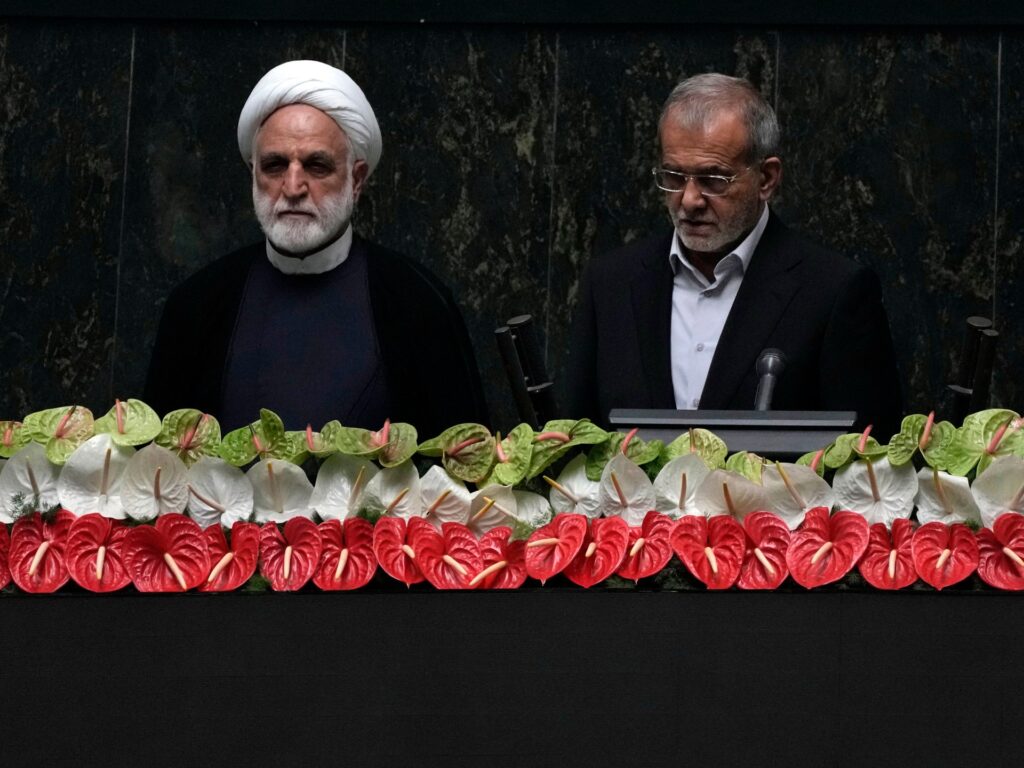
In a significant political move coinciding with the funeral of Supreme Leader Ali Khamenei, Iran has reappointed a familiar and powerful figure to a key judicial position. The reappointed official, who heads the judiciary, has underlined the urgency of seeking vengeance for the supreme leader’s death and has vowed to pursue legal actions against foreign aggressors seen as threats to the nation.
This appointment sends a strong signal about Iran’s internal political stability and its stance on foreign relations during a sensitive time. The judiciary chief, known for his hardline views, has a history of strict enforcement of state laws and a track record of taking a tough stance on foreign intervention and perceived enmity.
The funeral of Ali Khamenei marks a pivotal moment in Iran’s political landscape. The presence of such a seasoned judiciary chief at this juncture is intended to consolidate power structures and ensure continuity of authority within the country’s leadership. The judiciary’s role becomes particularly critical in managing any dissent or unrest that may arise during this period.
The reappointed chief has publicly emphasized the need for justice and retribution, highlighting a commitment to hold accountable any actors, domestic or international, who are deemed to have violated Iran’s sovereignty or harmed its interests. This rhetoric reflects a broader narrative of resilience and retaliation championed by Iran’s leadership.
Furthermore, the renewed leadership in the judiciary is expected to intensify efforts in prosecuting crimes against the state, including espionage, terrorism, and other activities classified as aggression. Iran’s legal system, under this leadership, may see stricter enforcement policies and an expansion of judicial measures aimed at safeguarding the regime.
Observers note that this reappointment is both a symbolic and practical maneuver. Symbolically, it represents loyalty and adherence to Ali Khamenei’s legacy. Practically, it ensures that a trusted and experienced figure will oversee the legal apparatus during a period when the country is navigating the aftermath of one of its most influential leaders’ demise.
The judiciary chief’s stance dovetails with Iran’s broader strategic objectives to fortify national security and defend against external pressures, particularly from countries it perceives as hostile. This development may influence Iran’s foreign policy and judicial proceedings in coming months, particularly in relation to ongoing conflicts and diplomatic tensions.
In summary, the reappointment of the judiciary chief during the funeral of Supreme Leader Ali Khamenei is a decisive move that underscores Iran’s intent to maintain a strong and uncompromising stance both domestically and internationally. It reflects continuity in leadership, a commitment to justice as defined by the Iranian state, and a reaffirmation of the nation’s resolve to avenge its supreme leader and confront foreign adversaries.