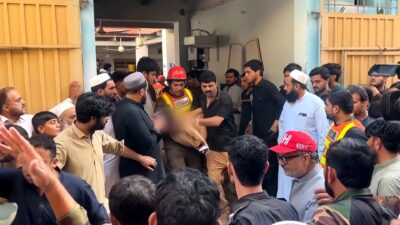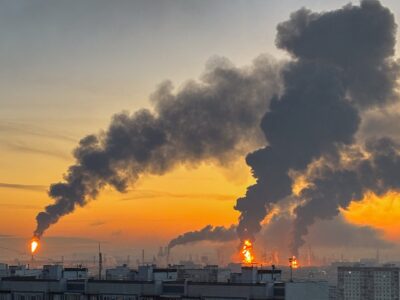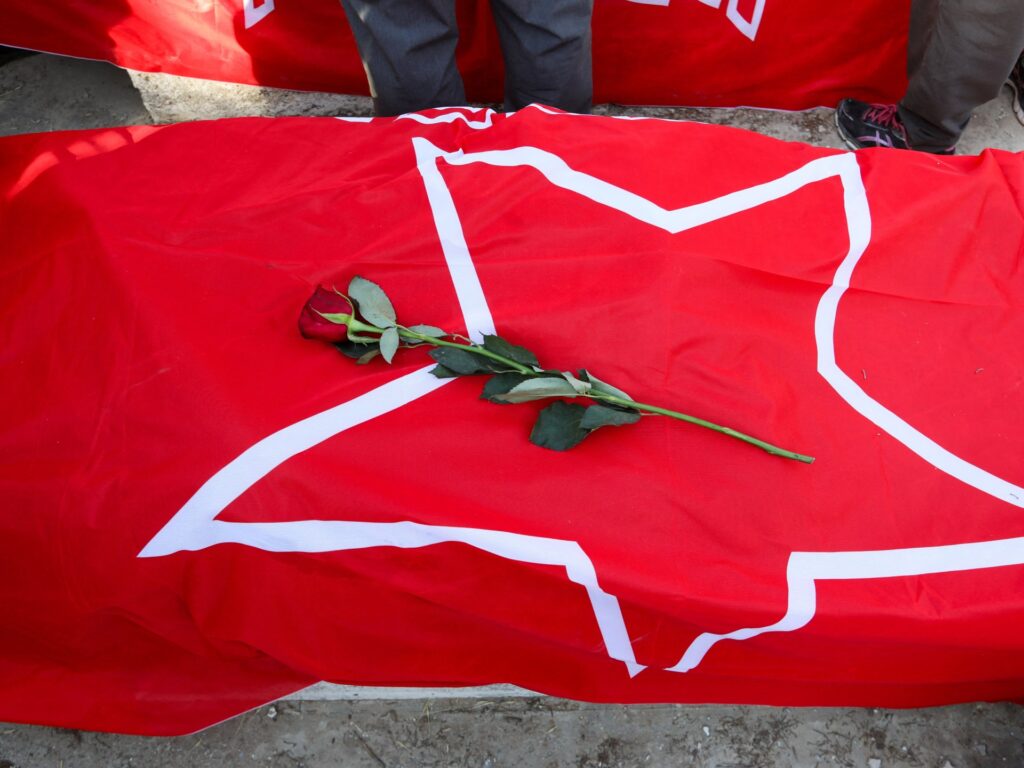
The Iranian Kurdish parties operating from Iraq find themselves in a precarious position as they face intensified attacks from Iran. These groups, while embroiled in the broader conflict affecting the region, are navigating a complex geopolitical landscape demanding caution and strategic positioning.
Iranian Kurdish political factions have long sought autonomy and protection of their cultural and political rights, often placing them at odds with the Iranian government. The recent escalation in attacks against these groups signifies a harsh crackdown by Tehran, aiming to suppress Kurdish dissent and diminish the influence of opposition forces situated just across its western border.
Despite the severity of these attacks, most Iranian Kurdish organizations deny receiving any support from the United States. This denial is significant as it underscores their efforts to maintain political integrity and avoid becoming pawns in larger international power struggles. Analysts suggest that these Kurdish parties are keen on preserving their credibility within both the local Kurdish communities and the broader Middle Eastern political framework.
The geographical setting is a critical factor in this ongoing conflict. Iraqi Kurdistan serves as a sanctuary for many Iranian Kurdish factions, providing relative safety and a base for political and military activities. However, this proximity also exposes them to Iranian cross-border operations, including drone strikes and ground incursions aimed at curtailing their activities.
The relationship between Iraqi Kurdish authorities and these Iranian groups is equally delicate. While there is a degree of ideological and ethnic solidarity, Iraqi authorities must balance diplomatic relations with Iran, making overt support to Iranian Kurdish factions risky.
In light of these challenges, Iranian Kurdish parties continue to operate with heightened caution. Their leadership emphasizes political activism and discourse over armed conflict, although they remain vigilant against Iranian aggression.
International observers note that the denial of US assistance, whether fully accurate or a strategic posture, reflects the complex nature of alliances in the region. The US has historically provided varying levels of support to Kurdish entities in Iraq and Syria, but its direct involvement with Iranian Kurdish groups remains uncertain.
The regional implications of this conflict are significant. A continued Iran offensive against Kurdish parties in Iraq could destabilize border regions, exacerbate refugee flows, and strain relations among Baghdad, Erbil, and Tehran. Moreover, it feeds into the larger proxy conflicts characterizing Middle Eastern geopolitics.
In conclusion, Iranian Kurdish parties in Iraq are caught in a sensitive and challenging environment. Their survival and political aspirations hinge on managing relations with local Iraqi authorities, navigating Iranian military pressures, and maintaining a nuanced stance amidst international geopolitical interests. The coming months will be critical in determining whether these Kurdish factions can sustain their struggle for rights and autonomy under such adverse conditions.