In the aftermath of a recent earthquake in Venezuela, acting president Delcy Rodriguez has responded to widespread criticism regarding the government’s handling of the disaster relief efforts. Rodriguez has dismissed the backlash, attributing much of it to propaganda intended to destabilize the nation’s image.
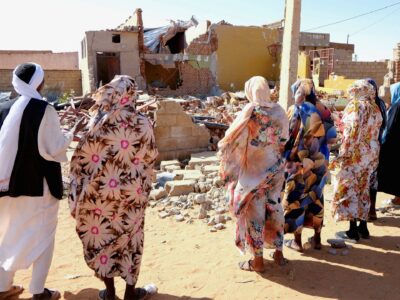
The earthquake, which struck several regions, caused significant damage and affected thousands of Venezuelan citizens. The government mobilized emergency services and relief operations immediately following the event, but opposition groups and international observers have raised concerns about the speed and effectiveness of the response.
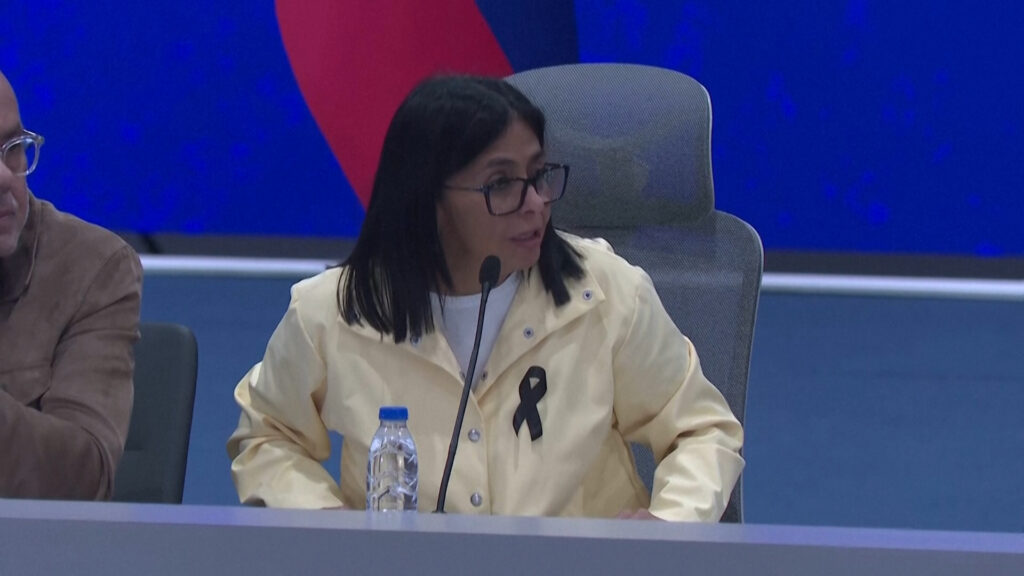
Delcy Rodriguez, speaking at a press conference, insisted that the government has been proactive and transparent in its efforts. She stated that the administration’s priority has been the safety and well-being of the citizens, adding that resources have been allocated to accelerate aid delivery and reconstruction efforts.
“The attacks we face are part of a coordinated propaganda campaign aimed at undermining our national institutions,” Rodriguez declared. She emphasized that Venezuela is working closely with local authorities and international partners to ensure comprehensive aid coverage.
Critics argue that logistical obstacles and bureaucratic inefficiencies have hampered relief operations, leaving many affected communities waiting for essential services. They also highlight the need for increased international assistance given the scale of the devastation and the country’s ongoing economic challenges.
International aid organizations have called for improved coordination and greater transparency in the distribution of resources. Meanwhile, government officials maintain that all aid is being carefully managed and that accusations of negligence or inaction are politically motivated.
Despite the controversy, relief efforts continue with the deployment of mobile clinics, temporary shelters, and food supplies to the hardest-hit areas. Community leaders have praised some aspects of the response but underscore the necessity for sustained support to address the long-term impacts of the quake.
The earthquake has not only tested Venezuela’s emergency preparedness but also highlighted the polarized political climate that influences public perception and media coverage of government actions. As dialogue between the government and opposition remains strained, the focus on recovery and rebuilding is crucial for national stability.
Delcy Rodriguez’s dismissal of criticism as propaganda underlines the broader challenges facing Venezuela in disaster management amid political tensions. The coming weeks will be pivotal in assessing the effectiveness of the response and the capacity for unified efforts to support affected populations.