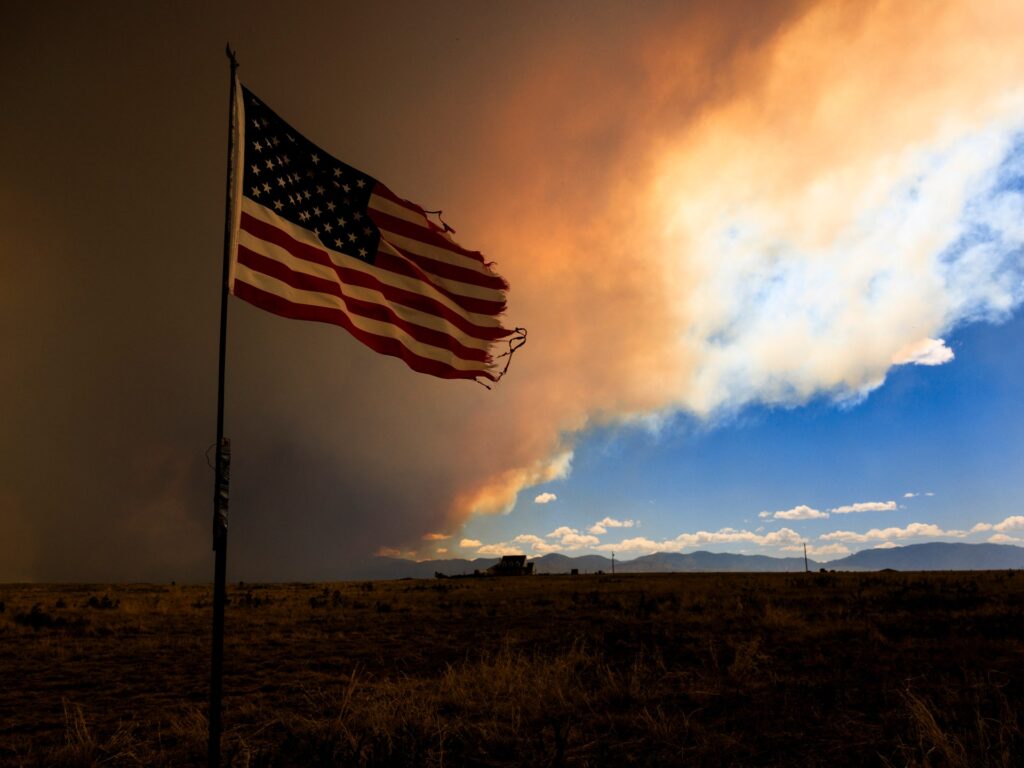
The Aspen Acres Fire, a rapidly spreading wildfire, has forced thousands of residents in Colorado to evacuate their homes as it continues to burn uncontrollably. This fire is one among approximately 40 wildfires currently raging across the western United States, causing widespread destruction and challenging emergency response teams.
The wildfire has already destroyed numerous homes and structures in affected areas, leaving residents displaced and communities on high alert. Firefighters and emergency services are working tirelessly to contain the blaze, though dry conditions and high winds are exacerbating the situation.
Local authorities have issued mandatory evacuation orders for several neighborhoods near the fire’s path, prioritizing public safety as they battle against the advancing flames. Evacuation centers have been established to provide temporary shelter and resources to those forced from their homes.
The Aspen Acres Fire highlights a growing trend of increased wildfire activity in the western US, driven by factors such as climate change, prolonged drought, and forest management challenges. The fires not only threaten human lives and property but also have significant impacts on air quality and local ecosystems.
Residents are urged to comply with evacuation orders and stay informed through official channels for updates about fire containment efforts and safety guidelines. Authorities continue to mobilize additional resources, including personnel, aircraft, and equipment, in an attempt to control the fire and prevent further destruction.
As the wildfire season progresses, experts emphasize the importance of preparedness and community cooperation to mitigate the impacts of these natural disasters. Ongoing investigations aim to determine the cause of the Aspen Acres Fire, while recovery efforts are being planned to support affected communities once the fire is brought under control.
This incident serves as a reminder of the increasing risks posed by wildfires in the region and the critical need for continued investment in fire prevention, emergency response infrastructure, and climate resilience initiatives.