Bolivia is currently facing a severe political and economic crisis as President Luis Arce’s administration struggles to contain widespread unrest. After 50 consecutive days of protests against governmental policies, President Arce declared a state of emergency nationwide. This decisive measure aims to quell growing dissent and stabilize the rapidly deteriorating situation.
The protests initially began as demonstrations against inflation, unemployment, and austerity measures but have since evolved into broader expressions of discontent with the government’s leadership. Amid the turmoil, Bolivia’s national currency, the Bolivian boliviano, has plunged to historic lows against the US dollar. This sharp depreciation reflects eroding investor confidence and escalates pressure on the already fragile economy.
Experts warn that the currency collapse could exacerbate inflationary trends, further increasing the cost of living for ordinary Bolivians. Rising food and fuel prices are already fueling public frustration, making the government’s position increasingly tenuous.
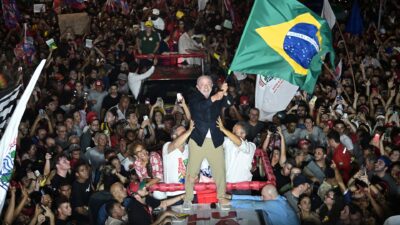
Over the past weeks, thousands of Bolivians have taken to the streets in several major cities, calling for policy reforms and demanding accountability from the government. Protesters cite concerns over alleged corruption, mismanagement, and authoritarian tendencies as reasons for their grievances.
The state of emergency grants the government expanded powers to impose curfews, restrict gatherings, and deploy security forces to maintain order. However, critics argue that this move may suppress legitimate dissent and deepen political divisions.
International observers express concern over the potential human rights implications during this period of heightened government control. In response, Bolivia’s government insists that the measures are temporary and necessary to restore peace and economic stability.
The Bolivian economy’s instability is compounded by declining commodity prices, which threaten the country’s vital mining sector – a key source of national revenue. Analysts suggest that without meaningful political dialogue and economic reforms, the crisis may escalate, risking prolonged social unrest.
Efforts to negotiate between government officials and opposition leaders have so far yielded limited progress. Calls for inclusive talks and international mediation are growing louder amid fears of further violence.
As Bolivia navigates through this turbulent period, the international community watches closely. The outcome will have significant implications not only for Bolivia’s future but also for regional stability in South America. The government’s urgent challenge is to address the root causes of the unrest while managing economic recovery to regain public trust and confidence.
This historic crisis underscores the intricate link between political stability and economic health. How Bolivia moves forward in the coming weeks will be critical in determining whether peace and prosperity can be restored or if deeper turmoil awaits.