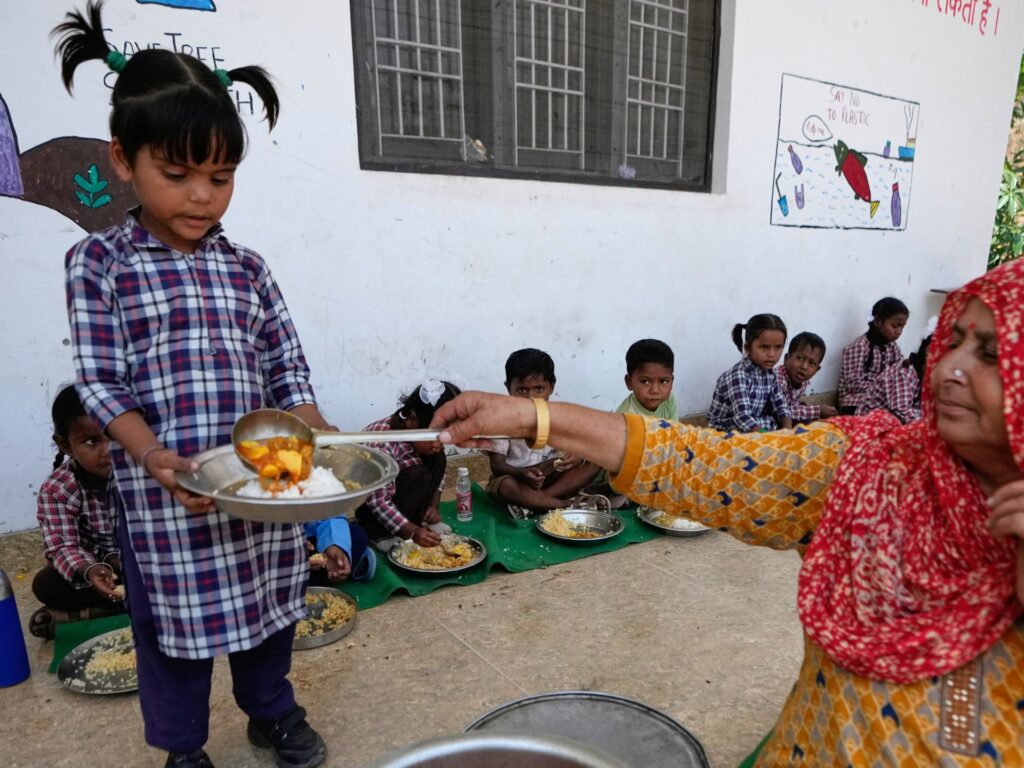
In a recent development from the Indian state of West Bengal, the government has decided to exclude eggs from the school midday meal schemes. This move has sparked significant debate and political controversy across the nation, highlighting issues surrounding cultural dietary preferences, politics, and nutrition.
The midday meal program is a crucial government initiative aimed at promoting nutrition among schoolchildren, particularly in economically disadvantaged areas. Eggs, being a rich source of protein, have been a staple component of these meals in several states, including West Bengal, to combat malnutrition and enhance children’s health and academic performance.
However, the West Bengal government’s decision to remove eggs from the menu has quickly become a political flashpoint. Opposition parties, especially the Bharatiya Janata Party (BJP), have accused the ruling party in Bengal of promoting vegetarianism ideologically through this policy change. They argue that removing eggs represents an infringement on the dietary choices of students and is an imposition of particular cultural or religious values.
Supporters of the egg removal contend that the decision was made considering the large number of vegetarians and religious communities in Bengal who might find eggs objectionable. They emphasize the need to respect cultural sentiments and suggest that nutrition can be provided through alternative vegetarian sources.
The debate reflects broader national tensions regarding food choices and political symbolism. India, known for its diverse dietary habits ranging from strict vegetarianism to non-vegetarian diets, often sees food becoming a proxy for larger identity and political battles.
Nutritionists warn that eliminating eggs, a low-cost and high-quality protein source, could adversely affect the nutritional needs of schoolchildren, especially in impoverished regions where balanced diets are already a challenge. Eggs play a vital role in preventing malnutrition and supporting cognitive development among young children.
Parents and educators are divided on the issue. Some appreciate the respect for cultural preferences, while others fear that the decision diminishes the nutritional value of the school’s meals.
The West Bengal opposition has pledged to challenge the government’s policy, calling for the restoration of eggs in the school meals, arguing it is essential for child health and development.
This controversy also ignites a wider conversation about how state policies can navigate the complex interplay of culture, nutrition, and politics in a pluralistic society. It raises questions about balancing respect for personal and religious beliefs with public health priorities.
As the debate unfolds, all stakeholders, including policymakers, nutrition experts, parents, and political parties, are urged to engage constructively to ensure that the nutritional welfare of children remains the primary focus.
This episode serves as a reminder of how food, beyond its basic sustenance role, can become a potent symbol of identity and ideological contention in contemporary India. The resolution of this issue may set precedents for how dietary policies are handled in culturally diverse societies going forward.