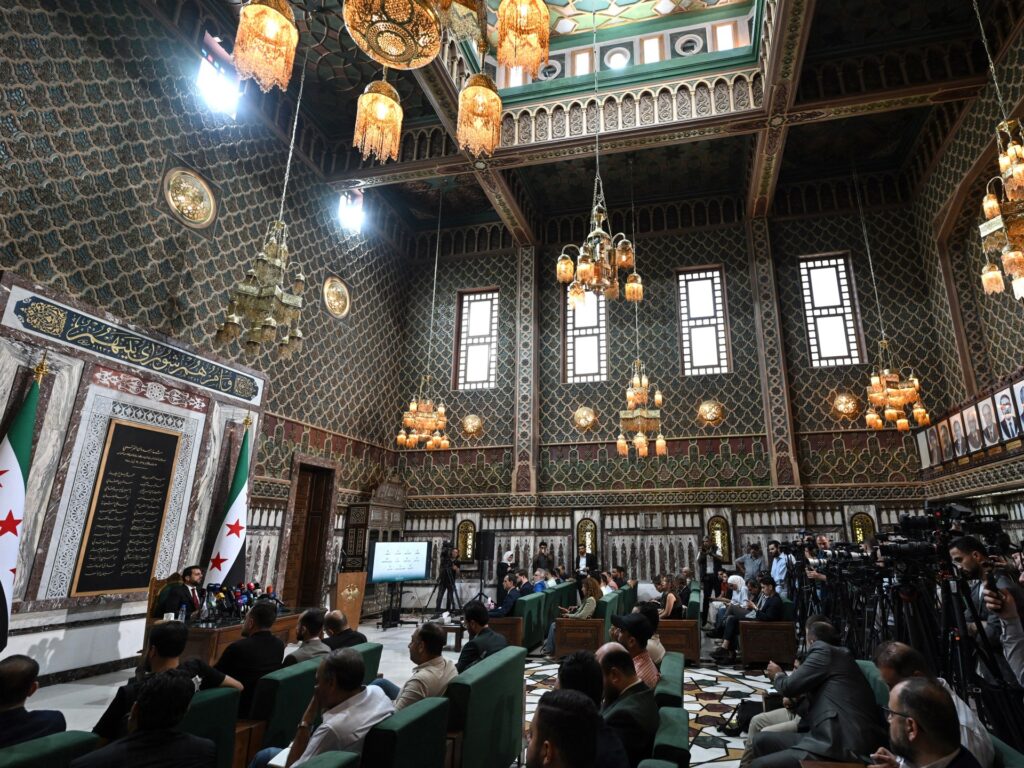
For the first time in decades, Syria has witnessed a significant political transformation with the inauguration of its new 210-member parliament. This assembly marks the first legislative body formed since the ousting of President Bashar al-Assad, signaling a profound change in the country’s governance landscape.
The formation of this parliament is more than just a political event; it represents a historic shift away from the longstanding rule of the Assad family, which has dominated Syrian politics for decades. The family’s grip on power shaped much of Syria’s domestic and foreign policies, with authoritarian control and limited political plurality.
The newly constituted parliament is tasked with legislative duties that were previously under tight control of the executive led by the Assad regime. This move toward a parliamentary system suggests an attempt to diversify political representation and possibly introduce reforms that align with broader democratic principles.
The 210 members come from various political backgrounds, aiming to reflect a wider array of voices and interests within Syrian society. This inclusiveness is seen as a crucial step toward national reconciliation and political stability in a country deeply scarred by years of conflict and turmoil.
Observers within and outside Syria are closely monitoring the parliament’s activities to assess whether it will act independently or remain under the influence of residual power structures. The effectiveness of this legislative body could determine the pace and nature of Syria’s future political developments.
Reactions among Syrians are mixed, with some expressing hope for genuine change and others remaining skeptical about the parliament’s ability to challenge entrenched interests. Nevertheless, the establishment of this institution is undeniably a landmark moment in Syria’s modern history.
The new parliament will also play a crucial role in addressing urgent national issues such as reconstruction, economic recovery, and social cohesion. Its performance in these areas will be critical to gaining public trust and fostering long-term peace.
Internationally, this development is seen as a potential turning point for Syria’s diplomatic relations. Greater political openness could pave the way for improved ties with regional and global actors interested in stability and reconstruction efforts.
In summary, the convening of Syria’s first parliament since the Assad family’s ousting symbolizes hope for political renewal. Amid challenges and uncertainties, this legislative body holds the promise of shaping a new era for Syria, offering its people a voice and a chance for a democratic future.