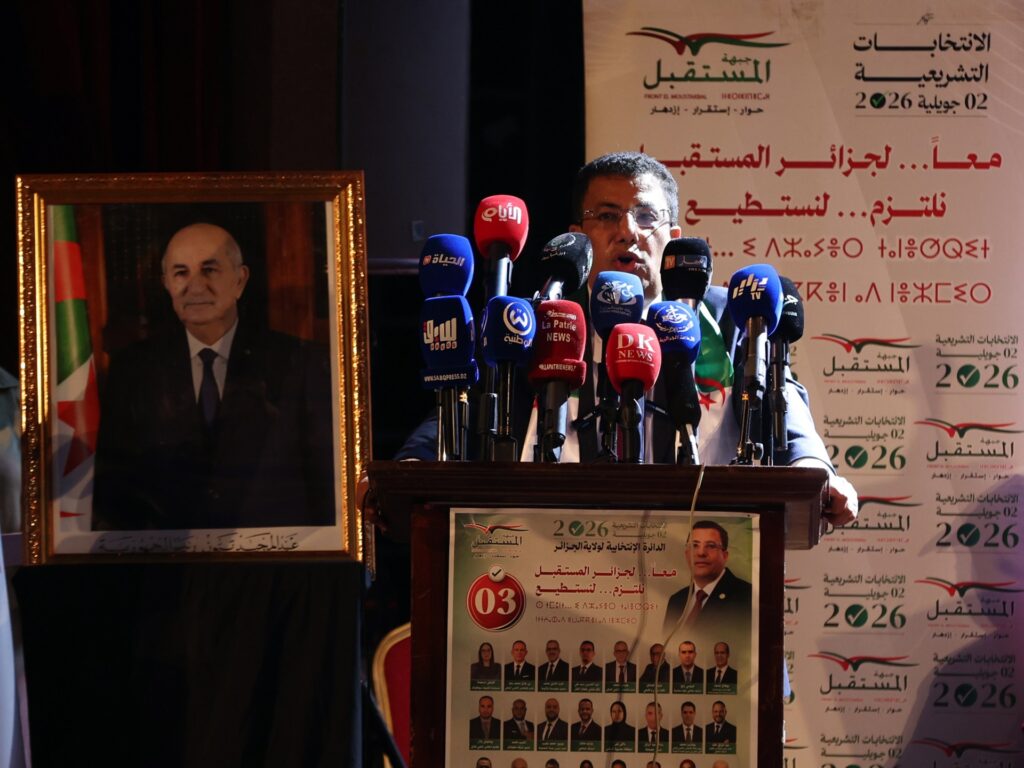
Algeria is gearing up for its upcoming legislative elections, marked by a widespread concern over an anticipated record-low voter turnout. This election cycle unfolds against a backdrop of post-Hirak distrust, candidate exclusions, and a pervasive sense of political apathy among the Algerian populace.
The Hirak movement, which began in 2019, fundamentally challenged the establishment and galvanized citizens demanding systemic reforms. Despite its initial momentum, the political landscape now reflects a residual skepticism among voters, stemming from unfulfilled promises and perceived governmental resistance to substantive change.
One of the major factors contributing to public disenchantment is the exclusion of key candidates. Several opposition figures and activists who had emerged during the Hirak protests have found themselves barred from participating in the electoral process, raising questions about the inclusiveness and fairness of the elections. This selective candidate policy has further deepened the divide between the electorate and the ruling authorities.
Political apathy has also been heightened by socio-economic challenges and an ongoing sense of disillusionment with the political class. Many Algerians view the legislative elections as a mere formality, unlikely to yield meaningful shifts in governance or policy.
These dynamics are expected to culminate in a turnout that could set new lows in Algeria’s electoral history. Observers and analysts emphasize that such low participation not only represents voter frustration but also risks undermining the legitimacy of the elected parliament.
The government has attempted to encourage participation by emphasizing the importance of stable institutions, yet civil society groups note that without addressing underlying political grievances, these efforts may fall short.
In sum, Algeria stands at a crossroads as it heads to the polls: the elections will serve as a key indicator of the public’s current political sentiments and the health of the country’s democratic processes. However, the specter of record-low turnout underscores the urgent need for political reforms and greater inclusivity to rebuild trust and engagement in Algerian democracy.