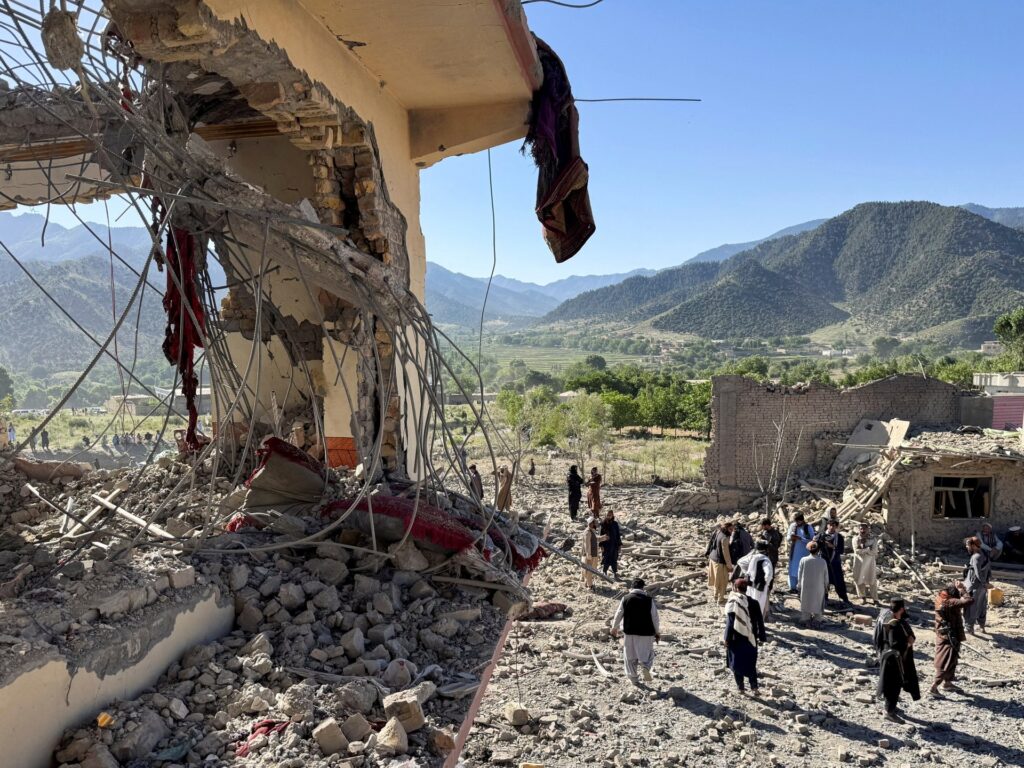
Tensions between Afghanistan and Pakistan have escalated significantly following recent events where Afghanistan allegedly fired drones into Pakistani territory. This latest development exacerbates an already fragile relationship marred by years of intermittent cross-border strikes and deep mistrust.
Historically, the Afghanistan-Pakistan border has been a contentious zone, with frequent incidents of violence impacting civilian lives and regional stability. The line, known as the Durand Line, has long been contested by Afghanistan, adding layers of complexity to diplomatic efforts.
In recent weeks, reports emerged of drones launched from Afghan soil targeting areas within Pakistan. These actions have been viewed by Islamabad as an aggressive violation of its sovereignty. In response, Pakistan increased its military vigilance along the border and threatened retaliatory measures, raising fears of a potential escalation into broader conflict.
The drone strikes signify an alarming shift in tactics, introducing new dimensions of modern warfare between the two neighbors. Unlike conventional artillery or ground incursions, drone use allows for precise, remote attacks, complicating defense and response.
Pakistan’s government has condemned the strikes in strong terms, calling for international attention and intervention to prevent further escalation. Meanwhile, Afghan authorities have offered mixed statements, sometimes denying involvement, other times suggesting these actions are defensive measures against Pakistani incursions.
The cycle of retaliatory actions has repeatedly disrupted peace efforts. Past attempts at dialogue have been undermined by these violent episodes, leading to mutual distrust and hardened security postures.
Experts warn that the continued tit-for-tat strikes could spiral into a larger confrontation unless both sides engage in sincere, comprehensive diplomatic negotiations. Regional stakeholders, including China and the United States, have expressed concern and urged restraint from all parties.
The humanitarian consequences also loom large, with border communities caught in the crossfire, facing displacement, loss of livelihood, and insecurity. The ongoing hostilities impede aid delivery and development initiatives vital to the region’s recovery.
Looking ahead, the path to de-escalation requires confidence-building measures, clear communication channels, and possibly third-party mediation. Both nations must prioritize dialogue over military action to break the vicious cycle of violence.
International organizations and neighboring countries can play a constructive role by facilitating negotiations and monitoring ceasefires.
As the situation unfolds, the international community watches closely, hoping for a return to stability in this strategically vital and historically turbulent region.