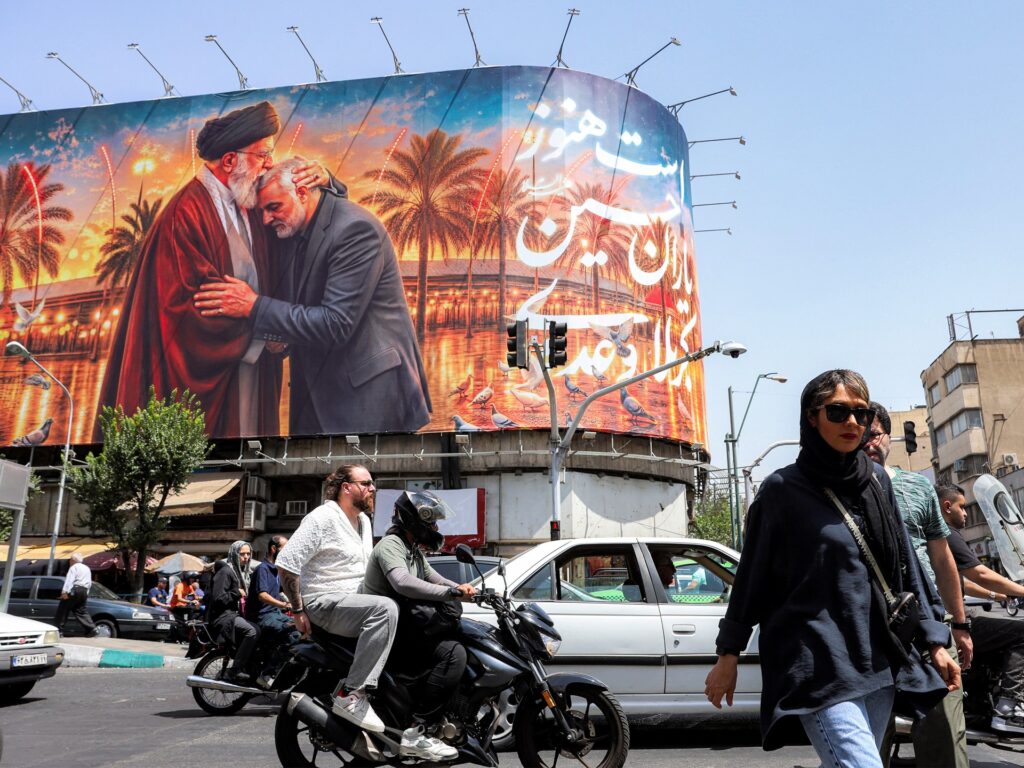
In the midst of ongoing tensions surrounding the Iran war situation, a significant claim made by former U.S. President Donald Trump has been firmly denied by Tehran. Trump announced that a meeting with Iranian officials was scheduled to occur in Doha today, suggesting a possible diplomatic engagement between the two sides. However, Iran’s government has promptly refuted this claim, stating that there are no plans for any talks or meetings with the United States in the coming days.
The conflicting statements have added to the complexity of the already volatile circumstances in the region. Trump’s assertion of a planned meeting raised hopes for a diplomatic breakthrough that could ease tensions and potentially open channels for dialogue. However, Tehran’s official denial indicates that the situation remains fraught with mistrust and uncertainty.
This development comes amid broader concerns over the conflict and the potential escalation in the Middle East. Various international actors have been closely monitoring the situation, calling for restraint and urging all parties to engage in peaceful negotiations.
The claim and subsequent denial also highlight the challenges of communication and diplomacy in high-stakes international conflicts. While Trump’s message seemed to convey a move towards resolution, Iran’s response signals a continuation of the current stalemate.
Observers suggest that any future talks between Iran and the United States would require careful preparation and mutual concessions, both of which appear distant at present. The lack of confirmed plans for dialogue exacerbates fears of further confrontation.
As the world watches, the situation remains fluid with no clear indication of when or if constructive dialogue might resume. For now, Tehran’s rejection of Trump’s claim underscores the persistent difficulties in bridging the divide between the two nations during this critical period.