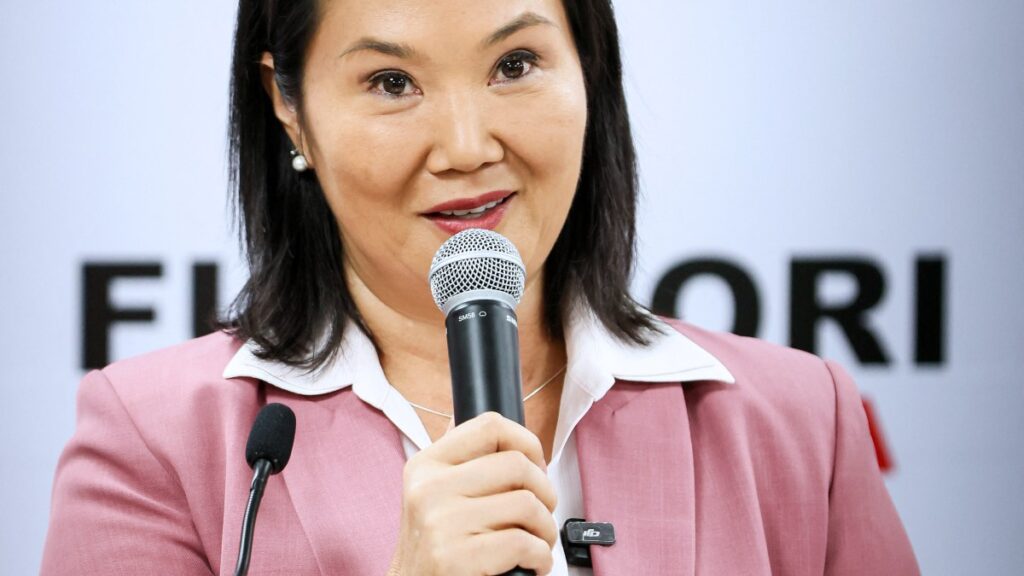
In a closely watched electoral battle, Keiko Fujimori, daughter of former President Alberto Fujimori, has emerged as the frontrunner in the latest Peruvian presidential race. After a prolonged and tense vote counting process, she currently leads the tally, signaling a potential shift in Peru’s political landscape.
Keiko Fujimori’s campaign has centered around promises of restoring order and fostering national hope, themes that resonate with a segment of the Peruvian electorate weary from recent instability. Throughout the counting period, which saw delays and intense scrutiny, Fujimori maintained a confident public stance, asserting that the country is moving closer to a state of ‘order and hope.’
The presidential election in Peru has historically been fraught with complexity, with previous administrations facing significant challenges related to governance, corruption, and economic management. Alberto Fujimori’s controversial presidency left an indelible mark on the nation, making his daughter’s political journey one watched with mixed emotions by the public.
Analysts note that Keiko Fujimori’s rise represents both continuity and change. Continuity, in the sense that she is linked to her father’s political legacy, which includes both authoritarian policies and economic reforms. Change, as her platform seeks to address contemporary issues like public security, economic recovery, and social inclusion more pragmatically.
The prolonged vote count reflected the polarized nature of Peruvian politics, with various stakeholders calling for transparency and careful verification of ballots. Election authorities reassured the public that all votes were being meticulously counted to ensure a fair outcome.
Fujimori’s lead has sparked both hope and concern among different groups. Supporters celebrate the possibility of a government that prioritizes stability and economic progress, while critics worry about potential setbacks to democratic norms and human rights given the Fujimori name’s controversial history.
As the nation awaits official confirmation of final results, international observers have urged respect for the democratic process and emphasized the importance of peaceful political transition.
Looking ahead, Keiko Fujimori faces the challenge of uniting a divided country and delivering on her promises. The outcome of this election could significantly influence Peru’s trajectory in the coming years, touching on issues from economic policy to social cohesion and Peru’s role on the regional stage.
In summary, Keiko Fujimori’s lead in the Peruvian presidential race marks a pivotal moment for the country, blending a complex historical legacy with contemporary desires for order and hope. The coming weeks will be critical as Peru solidifies its democratic institutions and chooses a path forward.