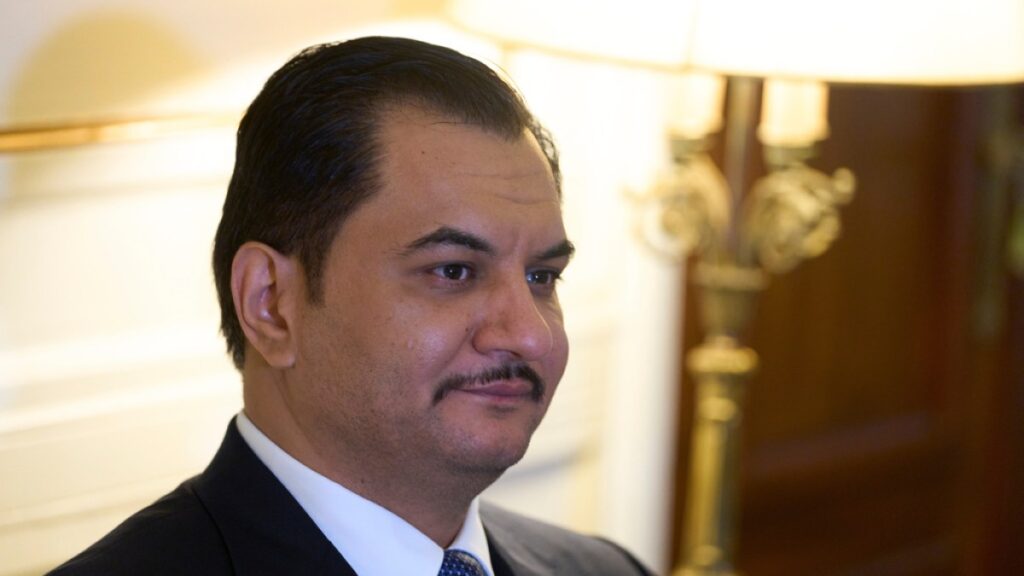
In a significant diplomatic move, US Senator Marco Rubio recently met with Libyan military commander Saddam Haftar, a prominent figure in the Libyan National Army (LNA). This meeting underscores the United States’ increasing diplomatic engagement in attempts to bring stability to Libya, a country long plagued by internal conflict and political fragmentation.
Libya has been embroiled in a civil war and political crisis since the fall of Muammar Gaddafi in 2011. Various factions, including the Government of National Unity (GNU) and the LNA, have vied for control, leading to instability that has impacted regional security and economic development.
Senator Rubio expressed strong support for ongoing efforts by Libyan leaders to bridge divides and create a unified national front. In discussions with Saddam Haftar, Rubio commended steps taken to foster dialogue and cooperation between Libya’s fragmented political and military groups.
The US’s involvement reflects a broader international push to resolve the Libyan crisis. Diplomats and international organizations have repeatedly called for ceasefires, inclusive political dialogue, and the establishment of a credible government with broad national support.
Efforts to overcome divisions remain fraught due to deep mistrust and competing interests among Libya’s factions. However, recent talks suggest cautious optimism as leaders engage in constructive negotiations despite challenges.
The collaboration between Senator Rubio and Haftar may signal a willingness from the LNA to cooperate with international partners and other Libyan factions toward peace. The US aims to support processes that enable Libya to hold national elections and rebuild institutions critical to stability.
By commending Libyan leaders’ efforts, the US hopes to encourage further steps toward reconciliation. These developments are critical not only for Libya’s future but also for curbing threats posed by extremist groups that have exploited the chaos.
The situation remains complex, with competing external interests and internal divisions continuing to pose risks. Nevertheless, the recent meeting illustrates the US commitment to engaging key Libyan stakeholders and promoting a peaceful resolution to the crisis.
In conclusion, Senator Marco Rubio’s talks with Saddam Haftar represent a proactive US approach to facilitating dialogue among Libya’s factions. By recognizing efforts to “overcome divisions,” the US aims to help steer Libya toward national unity, democratic governance, and lasting peace. The global community watches closely as Libya navigates this critical juncture in its post-revolution trajectory.