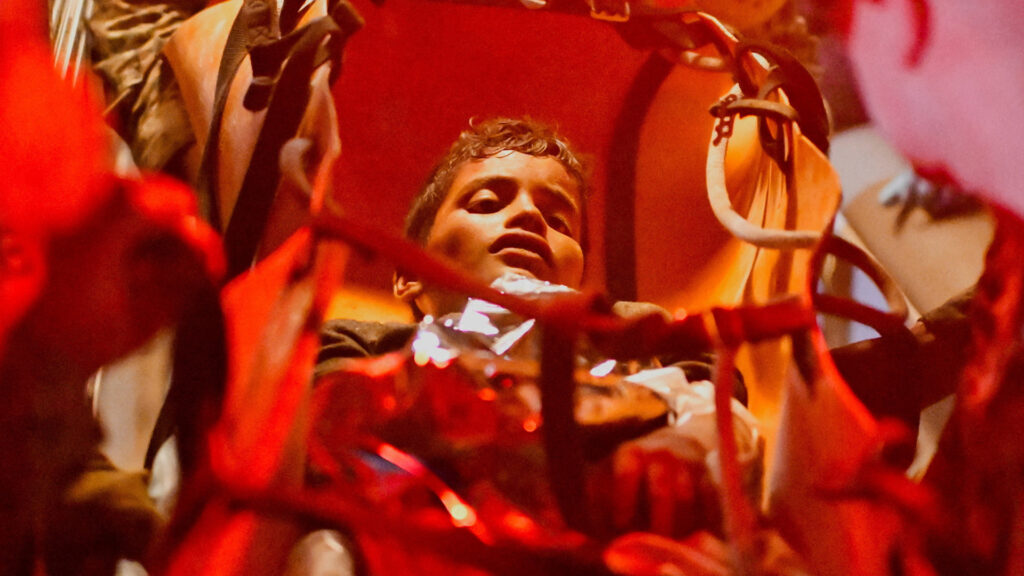
Venezuela finds itself grappling with the aftermath of twin earthquakes that have shaken the nation to its core, leaving thousands missing and communities devastated. The natural disaster struck without warning, unleashing destruction that has prompted an urgent and massive rescue operation.
In the chaotic hours following the earthquakes, rescuers rushed to affected areas, racing against time to locate survivors trapped under rubble. Their efforts are heroic, battling unstable structures, aftershocks, and limited resources to save as many lives as possible.
Amid the rubble and despair, stories of survival have begun to emerge, casting a light on human resilience and hope. Survivors recount harrowing experiences—being trapped for hours, relying on the faintest echoes to signal rescuers, and the profound impact of community support during the crisis.
One survivor shared a story of being trapped beneath a collapsed building for over 24 hours, sustained only by water from a leaking pipe and the encouragement of fellow survivors. Such narratives highlight the toughness and spirit of Venezuelans facing unimaginable adversity.
Emergency response teams, both local and international, are coordinating to provide critical aid including medical assistance, food supplies, and shelter. Despite logistical challenges, these teams work tirelessly to reach inaccessible areas.
The government has declared a state of emergency in the most affected regions, mobilizing military and civil resources to enhance rescue operations and provide relief. Infrastructure has been severely impacted, complicating transportation and communication, but communities are rallying together to overcome these obstacles.
Volunteers from across the country are also playing a vital role, helping at rescue sites and collecting donations for those displaced by the earthquakes. Their contributions symbolize the collective strength and solidarity evident in Venezuelan society at this critical time.
As aftershocks continue to remind people of the ongoing danger, mental health professionals emphasize the importance of psychological support for survivors, rescuers, and families of the missing. The trauma of such events requires long-term care alongside physical rebuilding.
Looking forward, experts stress the need for improved infrastructure and disaster preparedness in Venezuela to mitigate the effects of future natural disasters. The earthquakes have exposed vulnerabilities but also ignited a determination to build a safer, more resilient future.
In summary, Venezuela’s twin earthquakes have not only tested the endurance and courage of its people but also brought to light powerful stories of survival and the relentless dedication of rescuers. The nation mourns its losses but remains hopeful, united in recovery and rebuilding efforts that will shape its path forward.