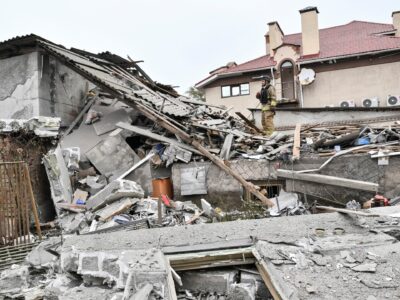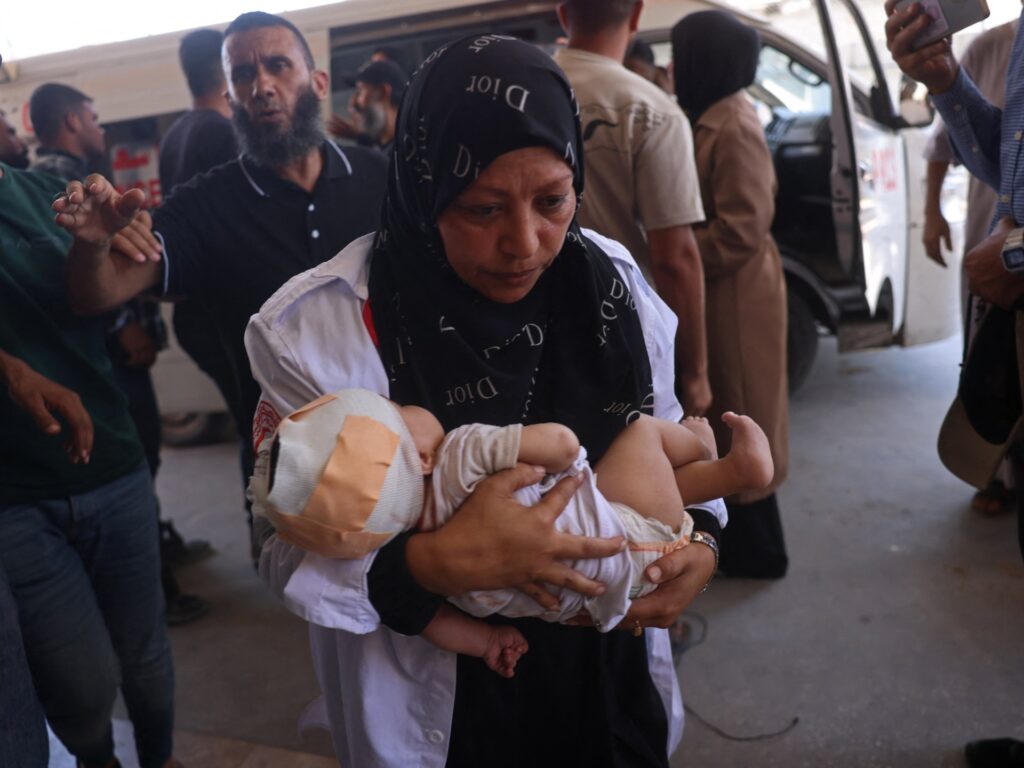
In a recent escalation of violence, Israeli forces have killed three Palestinians in the Gaza Strip amidst ongoing military operations. This development marks a serious increase in tensions in the region, further complicating the volatile situation between Israelis and Palestinians.
The fatalities occurred during Israeli forces’ attacks on Palestinian tents, which have been a focal point of recent confrontations. These tents are often used by Palestinian families and communities, and their targeting has drawn condemnation from various international human rights organizations.
Simultaneously, tensions have flared at significant religious sites in the region. Israeli authorities have imposed restrictions on Palestinian worshippers at the Al-Aqsa Mosque, one of the holiest sites in Islam and a frequent flashpoint in the Israeli-Palestinian conflict. The imposition of these restrictions has been seen as a provocative measure, further inflaming the already delicate atmosphere.
Moreover, Israeli forces have blocked the call to prayer at the Ibrahimi Mosque in Hebron, another site sacred to both Muslims and Jews. This action has been perceived as an infringement on religious freedoms and has intensified the unrest among the Palestinian population.
These actions by Israeli forces come amidst a backdrop of heightened security concerns and political instability. The restriction at religious sites and military actions in Gaza are contributing to a cycle of violence and retaliation that threatens to escalate further.
Local Palestinian leaders have condemned these moves as violations of human rights and religious freedoms. They have called for international intervention to protect Palestinian civilians and their right to worship freely.
International reactions have been mixed, with some countries voicing concern over the escalating violence and calling for restraint, while others have supported Israel’s right to security measures.
The situation remains highly fluid, with both sides entrenched in their positions. The killings in Gaza and restrictions at religious sites underscore the urgent need for renewed dialogue and efforts to de-escalate tensions.
As the conflict continues, the international community faces mounting pressure to address the root causes of these confrontations and to facilitate a peaceful resolution to ensure the safety and rights of all individuals in the region.
The recent events serve as a grim reminder of the persistent volatility in the Israeli-Palestinian conflict and the profound impact it has on the lives of ordinary people caught in the crossfire.
Observers worry that without immediate and sustained intervention, the cycle of violence will continue to intensify, leading to further loss of life and deepening divisions.
Humanitarian organizations are calling for increased aid and access to affected areas to support those displaced or injured in the latest attacks.
The international community’s role remains critical in mediating peace and preventing further deterioration of the situation.
Peace advocates emphasize the importance of respecting religious freedoms and ensuring the protection of sacred sites as fundamental components of any lasting peace agreement.
As the world watches, the people of Gaza and the broader region continue to endure the harsh realities of conflict, holding onto hope for a future marked by peace and security.