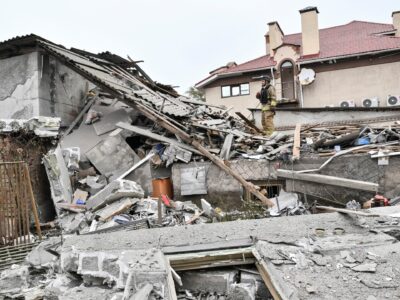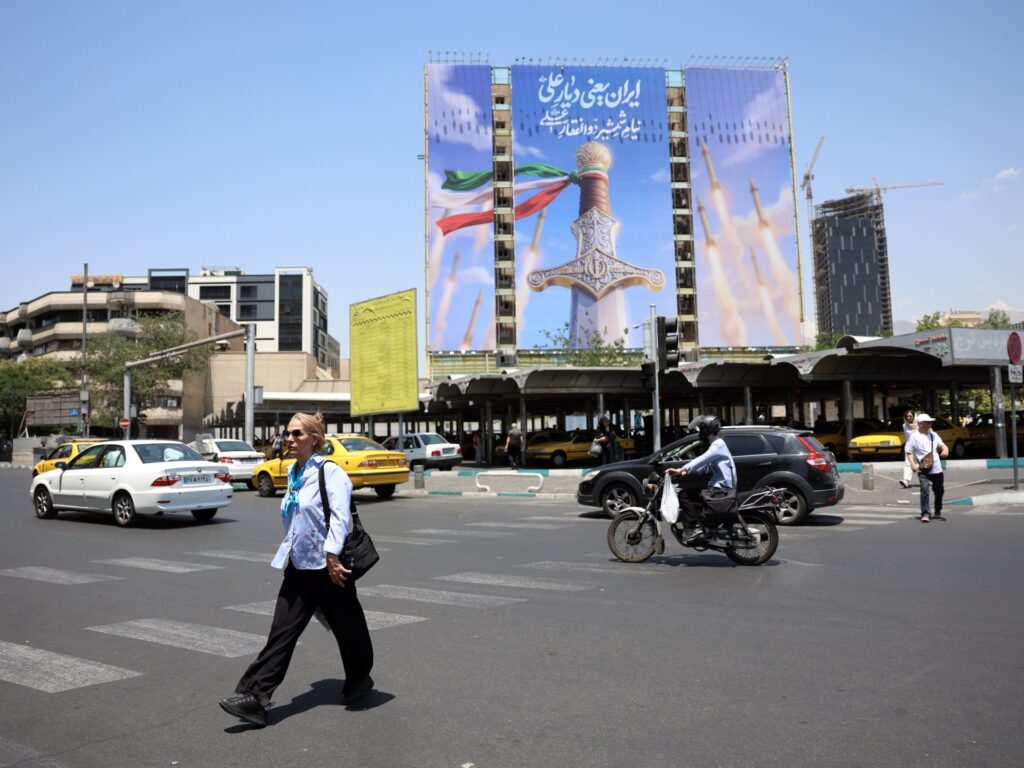
Tensions escalated in the Middle East as the Islamic Revolutionary Guard Corps (IRGC) of Iran announced it has targeted US military sites in the region. The move comes in response to recent attacks launched by the Trump administration against Iran, marking a significant surge in hostilities between the two nations.
The confrontation began when the Trump administration ordered military strikes against Iranian targets, an action it described as a countermeasure to threats posed by Iran in the region. In retaliation, the IRGC, a powerful branch of Iran’s military, declared that it had targeted US forces, signaling an intensification of the conflict.
Details about the specific locations or extent of the IRGC’s targeting were not immediately clear. However, Iranian state media have confirmed that the military action was intended as a direct reprisal for the previous attacks by the US.
This exchange marks a critical point in the ongoing feud which has seen a series of escalations over recent months. Analysts warn that such tit-for-tat military actions could spiral into a broader conflict, destabilizing the already volatile region.
The US military presence in the Middle East includes several bases and personnel across multiple countries, which could be potential targets in this tit-for-tat confrontation. The IRGC’s announcement has raised concerns among international observers and governments about the risk of further military engagements.
Diplomatic efforts have so far failed to de-escalate tensions, with both sides remaining steadfast in their positions. While the US accuses Iran of sponsoring terrorism and destabilizing activities, Iran maintains that it is defending its sovereignty against foreign aggression.
The consequences of these hostilities are far-reaching, affecting global oil markets, regional security, and international relations. The volatility in the region has prompted calls for renewed dialogue and restraint from international mediators.
As the situation develops, countries in the region are on high alert, preparing for potential fallout from the escalating conflict. Civilians in affected areas face increased risks amid the heightened military activity.
Observing the complex dynamics at play, experts emphasize the importance of diplomatic solutions over military escalation. The international community continues to monitor the situation closely, hoping to avert further bloodshed and instability.
In summary, the recent declarations by the IRGC targeting US military sites mark a dangerous phase in Iran-US relations, underscoring the fragile nature of peace in the Middle East. The coming days will be critical in determining whether this latest escalation will lead to broader conflict or a return to negotiations.