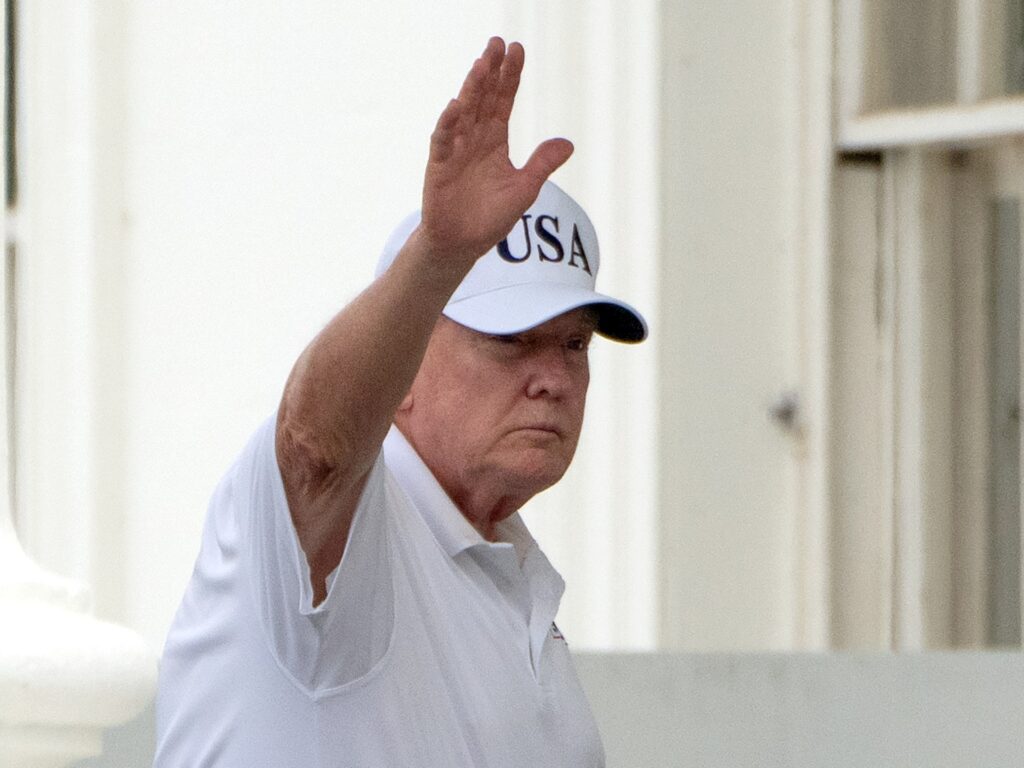
Former President Donald Trump has nominated ex-state trooper Lance Schroyer as the new director of U.S. Immigration and Customs Enforcement (ICE). This nomination marks a significant move to fill a position that has been vacant of a Senate-confirmed director since 2017, the early period of Trump’s first term in office.
ICE plays a critical role in the enforcement of immigration laws, managing issues from deportations to the detention of individuals who violate immigration regulations. Since the departure of the previous Senate-confirmed director over six years ago, ICE has been led by acting directors who have overseen the agency’s operations without formal Senate approval.
Lance Schroyer brings a law enforcement background to the role, having served as a state trooper prior to this nomination. His experience in state law enforcement is expected to shape his approach to federal immigration enforcement.
The nomination also reflects Trump’s ongoing influence on immigration policy, emphasizing a tough stance on border security and immigration enforcement. His administration had previously implemented strict measures aimed at reducing illegal immigration and enhancing border control.
If confirmed by the Senate, Schroyer would be responsible for leading the agency through complex immigration challenges, including the coordination with other federal and local agencies, managing detention facilities, and implementing immigration removal operations.
This nomination comes at a time of heightened focus on U.S. immigration policies, both from a policy perspective and in the public discourse. Debates continue over how to balance enforcement with humanitarian considerations and the management of asylum seekers and undocumented immigrants.
Schroyer’s appointment, pending Senate confirmation, is likely to draw attention from various stakeholders including immigration advocates, law enforcement groups, and policymakers across the political spectrum.
As the agency moves forward, the leadership will play a crucial role in shaping the future landscape of U.S. immigration enforcement, policy implementation, and response to emerging immigration trends and challenges.