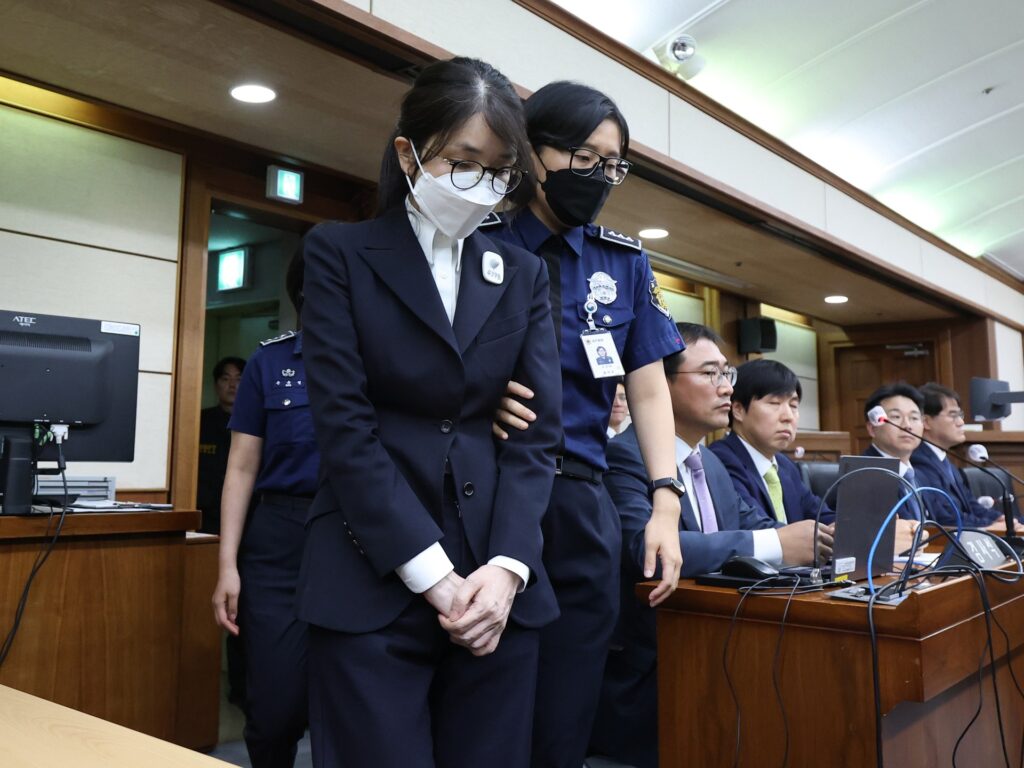
In a landmark ruling, a South Korean court has sentenced former First Lady Kim Keon Hee to seven years in prison for accepting bribes. The verdict marks a significant moment in the country’s ongoing fight against corruption at the highest levels of power.
Kim Keon Hee, who served as the First Lady during her husband’s tenure, was found guilty of receiving luxury goods and other valuable items in exchange for political favors. The court highlighted that these bribes were intended to influence government decisions and policies, undermining the integrity of South Korea’s political system.
The case has drawn widespread media attention and public scrutiny since its inception, reflecting deep concerns about corruption and abuse of power among the elite. Prosecutors presented extensive evidence, including testimonies and documentation, proving Kim’s involvement in illicit activity.
The court’s decision sends a strong message about accountability and the rule of law, demonstrating that no one is above justice regardless of their social or political standing. Legal experts suggest that this sentence may pave the way for further investigations into corruption within political circles.
Public reaction has been mixed, with many citizens applauding the decision as a necessary step toward transparency and ethical governance. Activists have long called for stricter measures against corrupt officials, citing this case as an example of systemic issues within the political establishment.
The former First Lady’s defense team expressed their intention to appeal the ruling, claiming that the evidence was insufficient and that the punishment was overly harsh. However, the court emphasized the gravity of the offenses and the need to uphold public trust.
Throughout the trial, details emerged about the nature of the bribes, including luxury watches, designer handbags, and expensive jewelry, which were allegedly exchanged during private meetings and social events. These revelations further fueled public outrage and demands for reform.
This high-profile case is part of a broader crackdown on corruption in South Korea, which has seen several prominent figures prosecuted in recent years. The government has been actively pursuing policies to enhance transparency and prevent the misuse of power.
Political analysts believe that the sentencing of Kim Keon Hee could have implications for her husband’s political legacy and influence. It underscores the risks political families face when implicated in scandals, potentially affecting public perception and future elections.
The judiciary’s firm stance exemplifies the country’s commitment to maintaining democratic principles and ethical governance, reinforcing citizens’ confidence in the legal system.
As the appeal process unfolds, the nation will be closely watching any developments that may shape the future of political accountability in South Korea. This case serves as a critical reminder of the importance of vigilance against corruption and the continual effort required to uphold justice.