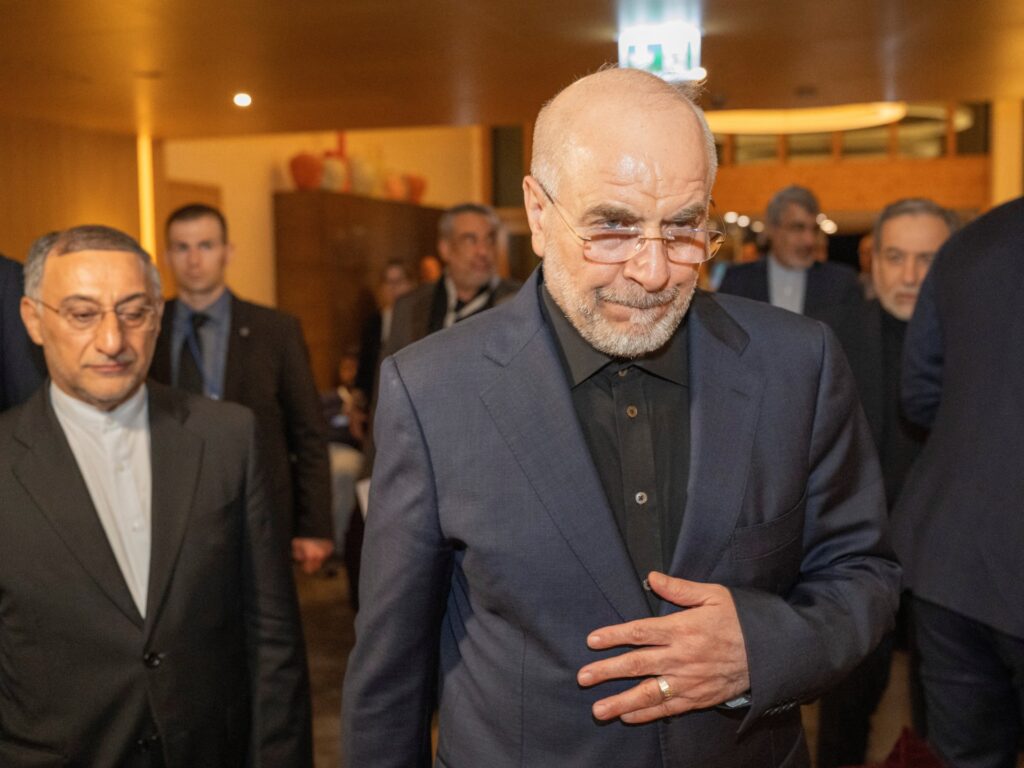
In a recent statement, Mohammad Bagher Ghalibaf, a senior Iranian negotiator, has firmly rejected claims that the unfrozen Iranian funds will be used to buy products from the United States. This denial contradicts the portrayal by the U.S. administration, which had previously stated that the release of frozen funds from Iran would be directed towards purchasing American agricultural produce and other goods.
The controversy began after the United States announced the release of billions of dollars in frozen Iranian assets as part of ongoing diplomatic engagements and negotiations. U.S. officials had touted the move as a positive step that would benefit American farmers and exporters, suggesting that the flow of money back to Iran would translate into increased demand for U.S.-made products.
However, Ghalibaf’s rejection underscores the complex and strained relations between the two countries, emphasizing that Iran’s allocation of these funds is driven by domestic priorities rather than commitments or expectations to support the U.S. economy.
Analysts point out that Iran’s economy is in a delicate state, grappling with multiple challenges including inflation, sanctions, and the need to finance local development projects. From Tehran’s perspective, using released funds is likely aimed at improving internal economic conditions rather than aiding the United States.
This dispute over the purpose of the unfrozen assets brings to light the broader implications of U.S.-Iran relations. While the U.S. aims to use economic leverage to encourage policy changes, Iran is focused on retaining sovereignty over how freed funds are utilized.
The statement from Ghalibaf is significant because it pushes back against the narrative of mutual economic benefit promoted by the U.S. administration, highlighting how political messaging can differ sharply between adversarial countries.
Furthermore, the announcement complicates the ongoing diplomatic efforts aimed at negotiating a broader agreement on Iran’s nuclear program and sanctions relief. Trust and transparency continue to be major sticking points, with disagreements over financial flows adding to the tension.
Observers note that the U.S. emphasis on supporting American farmers through Iran’s repatriated funds is partly aimed at garnering domestic political support for ongoing diplomatic initiatives, portraying the steps as wins for American industry.
Meanwhile, Iran’s insistence on independent control over its funds reflects its strategic interest in maintaining a firm stance in international negotiations and protecting national interests.
The contrasting statements signal that while both sides seek progress, they are not yet aligned on key elements of economic and diplomatic cooperation.
In conclusion, the public divergence between Mohammad Bagher Ghalibaf and the U.S. administration concerning the use of unfrozen Iranian assets illustrates the complex dynamics at play. The Iranian negotiator’s rejection casts doubt on the optimistic narrative presented in Washington, emphasizing that Iran prioritizes internal needs and sovereignty over financial transactions that might benefit the United States.
As negotiations continue, this issue of fund utilization remains a critical and sensitive topic, impacting broader diplomatic relations and the prospects for future agreements.
Experts suggest that both sides will need to address such differences candidly to make meaningful progress and avoid further misunderstandings in the geopolitical arena.