After a long wait of 52 years, Haiti has once again graced the stage of the FIFA World Cup, sparking a wave of emotions throughout the Haitian diaspora around the world. This historic occasion not only rekindled national pride but also brought attention to the resilience and passion of Haitian football.
The last time Haiti participated in the World Cup was in 1974, and many young Haitians today had never witnessed their country in such a prestigious tournament until now. The players, the fans, and the entire community have been filled with a renewed sense of hope and excitement.
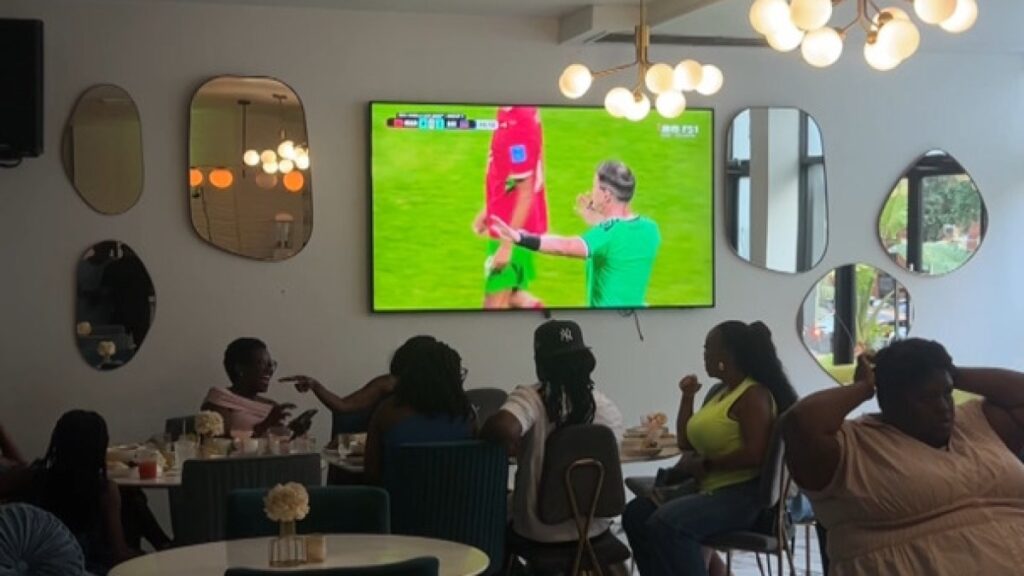
For many Haitian expatriates living abroad, this participation has served as a powerful reminder of their roots and a moment to celebrate their unique cultural identity. From New York to Montreal, Miami to Paris, Haitian communities came together to watch the matches, share stories, and revel in the collective pride that the team’s qualification instigated.
Elders in Haitian communities reminisced about the 1974 team, including its significant achievements and challenges, while younger generations experienced the thrill of being part of a historic moment through live broadcasts and social media.
This World Cup stint has also brought exposure to Haitian football on the global stage, showcasing the country’s talent and passion despite facing numerous economic and infrastructural challenges back home.
The national team’s performance, regardless of the results, was seen as a symbol of perseverance and a beacon for future generations of Haitian footballers. The players’ dedication inspired many young Haitians to dream bigger and to pursue sports as a platform for international representation.
In addition to on-field action, the World Cup came as an opportunity for Haitians to raise awareness about the country’s ongoing struggles and to channel attention to its potential. The event generated conversations about the importance of investing in sports infrastructure and youth development programs in Haiti.
Local and international media coverage amplified the impact of this milestone, with stories that highlighted not only the sport but also the rich cultural heritage and aspirations of the Haitian people.
As the tournament progressed, the Haitian football team became a unifying force, breaking barriers and fostering a sense of solidarity among Haitians worldwide. The pride expressed by the diaspora was not just about the game but about reclaiming a narrative centered on positivity and progress for the nation.
Looking forward, the participation in this World Cup could be a catalyst for greater investment in Haitian sports, inspiring policies that support athletes and develop grassroots football programs.
The shared experience of watching Haiti compete after over five decades has created lasting memories and a promising outlook for the future of Haitian football and national identity. This moment has rekindled the dreams of many, reaffirming that with determination and support, Haiti can rise on the global sports stage again.