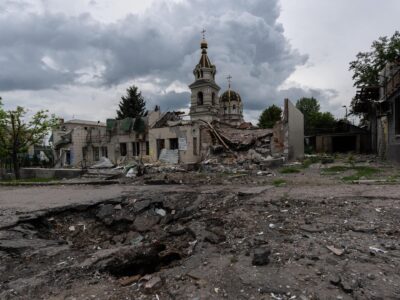
Israel’s ongoing conflicts have become emblematic of a cycle of violence that persists despite numerous ceasefires and shifting military strategies. The region has witnessed repeated outbreaks of hostilities, punctuated by temporary pauses that fail to deliver lasting security or peace. This enduring state of conflict underscores the complex and deeply rooted nature of the issues at hand.
Over the decades, Israel has engaged in a series of wars and military operations that have not only shaped its security landscape but also deeply influenced regional dynamics. Each flare-up in violence tends to reveal new tactical shifts and adaptations by the involved parties, yet the core predicament remains unresolved.
The cycle tends to follow a predictable pattern: escalation, military engagement, international diplomatic intervention, ceasefire agreements, and eventual resumption of conflict. These phases underscore the challenges of achieving a durable peace settlement in an environment fraught with mistrust and competing national narratives.
Military fronts shift regularly, with areas of control and influence constantly evolving. Urban warfare, guerrilla tactics, and missile exchanges have become recurrent features of the conflict, complicating the prospects for a clear victory or decisive resolution. Both Israel and its adversaries have suffered casualties, destruction of infrastructure, and psychological tolls that reverberate through civilian populations.
Ceasefires, while often hailed as successes, tend to be fragile and short-lived. The mechanisms that facilitate these temporary halts in fighting do not sufficiently address the underlying grievances or security concerns that drive the conflict. Consequently, any semblance of normalcy is fleeting, with tensions simmering just below the surface.
Moreover, international actors have frequently intervened to mediate or enforce ceasefires, but their efforts have not translated into sustainable peace agreements. Geopolitical interests, regional rivalries, and historical animosities complicate the diplomatic landscape, often resulting in arrangements that prioritize immediate conflict cessation over long-term solutions.
The human cost of this recurring conflict is profound. Generations have grown up amidst violence and instability, with many civilians facing displacement, trauma, and economic hardship. The persistent insecurity undermines prospects for development, education, and reconciliation within affected communities.
Despite sporadic attempts at peace negotiations, the absence of mutual trust and comprehensive political frameworks sustains the impasse. Both sides grapple with security dilemmas and existential concerns that hinder concessions and confidence-building measures.
In conclusion, Israel’s cycle of conflict represents a deeply entrenched struggle with no clear end in sight. The interplay of military dynamics, political complexities, and social consequences has locked the region into a pattern of recurring violence. Without bold and sustained efforts to address fundamental issues, the prospect of enduring security and peace remains elusive. The international community continues to watch closely, hoping for breakthroughs that will finally break the cycle and offer a future free from the perpetual shadow of conflict.