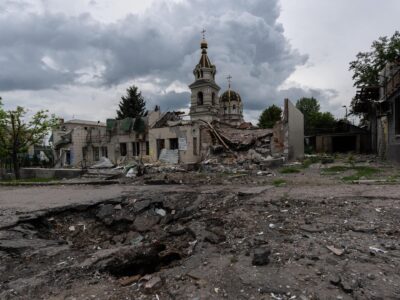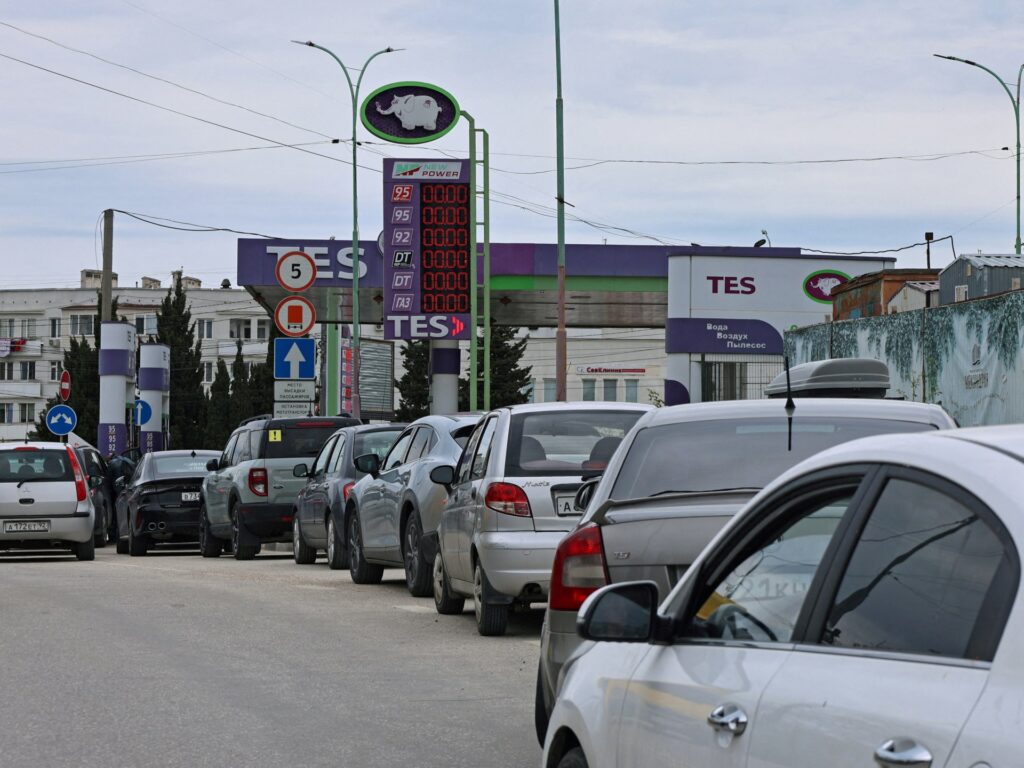
A recent Ukrainian offensive targeting energy infrastructure in Russian-occupied Crimea has resulted in significant power outages in Sevastopol, the largest city on the peninsula. The attack focused on critical energy facilities, disrupting the electrical supply and leaving vast portions of the city without power.
Sevastopol, a strategic port city on the Black Sea, has been under Russian control since 2014 following Russia’s annexation of Crimea. The city holds immense military and symbolic importance for Russia, hosting key naval facilities including the Black Sea Fleet.
The assault on energy infrastructure marks an escalation in Ukraine’s efforts to challenge Russian control over Crimea. By striking vital utilities, Ukraine aims to undermine Russia’s administrative hold and impose operational difficulties for the occupying forces.
Local reports indicate that the power cuts affected not only residential areas but also essential services, complicating daily life for the residents and impeding communication networks. Emergency responders and municipal workers were mobilized to assess damages and begin repairs but faced challenges amid ongoing tensions.
Prior to this attack, Ukraine has consistently engaged in various forms of resistance and sabotage against Russian assets in Crimea. These operations target transportation links, military installations, and energy systems, intending to disrupt Russian logistical chains.
The Kremlin condemned the strike, attributing it to what it describes as Ukrainian terrorist tactics. Russian officials vowed to reinforce security measures and intensify countermeasures against further Ukrainian incursions.
International responses to the incident have been mixed but largely emphasize the broader conflict’s complexity. Western nations reaffirm support for Ukraine’s sovereignty while calling for diplomatic solutions to avoid escalation.
The situation in Crimea remains volatile, reflecting the ongoing conflict’s broader geopolitical stakes. Ukraine’s ability to launch attacks deep into occupied territories signals both resilience and strategic shifts in its military operations.
Experts note that controlling energy infrastructure in conflict zones has become a critical aspect of modern warfare. Disrupting power supplies can hamper military effectiveness and civilian morale, influencing the conflict’s trajectory.
Residents of Sevastopol face immediate challenges as power restoration efforts are underway. The outages impact heating, water supply, medical services, and general safety, raising humanitarian concerns amid enduring hostilities.
This incident underscores the fragile nature of infrastructure in conflict zones and the broader implications for regional stability. As the conflict continues, the security and maintenance of essential services remain pivotal issues.
Moving forward, analysts anticipate further attempts by Ukraine to weaken Russian control over Crimea through targeted operations. These could intensify both military engagements and diplomatic tensions.
The attack on Sevastopol’s energy facilities highlights the intertwined military and civilian impacts of the conflict, emphasizing the high stakes for both sides in this contested region. Continued monitoring and international engagement will be crucial in understanding and potentially resolving ongoing disputes.
In conclusion, the power cuts in Sevastopol caused by Ukraine’s attack on energy installations represent a significant development in the conflict over Crimea. It reflects the ongoing struggle for control, the strategic importance of infrastructure, and the complex humanitarian and political consequences resulting from the hostilities.