France has officially confirmed its first case of Ebola, involving a doctor who recently returned from the Democratic Republic of Congo (DR Congo). The doctor, who contracted the disease while working in DR Congo, is now in full isolation in France under stringent biosafety protocols aimed at preventing any further transmission.
The health authorities acted swiftly after the diagnosis to contain the virus and protect public health. Ebola is a severe and often deadly disease caused by one of the Ebola virus species. It is known for its high fatality rates and rapid spread in affected areas, mostly in parts of Africa.
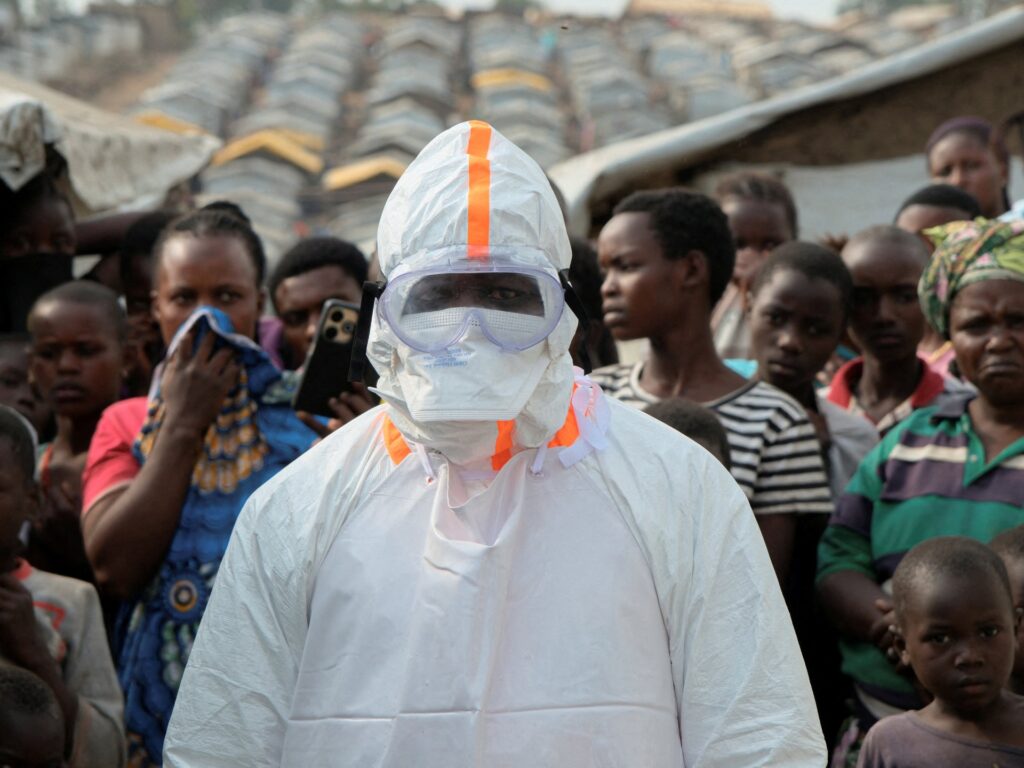
This case underscores the ongoing risks faced by healthcare workers in regions where Ebola outbreaks are prevalent. The doctor had been involved in efforts to control the outbreak in DR Congo, which has experienced multiple Ebola flare-ups over the years.
The French health ministry stated that the patient is receiving comprehensive medical care and that all necessary measures to prevent the spread of the virus are in place. Contact tracing and monitoring have been initiated to track anyone who may have come into close contact with the patient, though the risk to the general population in France is currently considered low.
Ebola is transmitted through direct contact with bodily fluids of infected individuals or contaminated materials. The virus is not airborne, which reduces the risk of widespread transmission in public settings when proper hygiene and isolation measures are followed.
The confirmation of this case in France highlights the global nature of infectious disease outbreaks and the importance of rigorous international cooperation in disease surveillance and response. It also emphasizes the critical need for protective measures for frontline health workers operating in high-risk zones.
Authorities have reassured the public that the situation is being closely monitored and that they are prepared to act swiftly should any new cases emerge. Meanwhile, they have also urged anyone returning from Ebola-affected regions to closely observe their health and seek immediate medical attention if symptoms appear.
This incident serves as a reminder of the continuing threat posed by emerging infectious diseases and the challenges involved in containing them despite advances in medical knowledge and technology. Ongoing vigilance, preparedness, and coordination remain key to preventing the spread of such deadly viruses across borders.
The global health community continues to support affected countries, including DR Congo, in strengthening their healthcare systems and outbreak response capabilities to prevent future epidemics.
In conclusion, while the situation in France is currently under control and the patient is isolated, this case represents a critical test for public health infrastructure and infectious disease preparedness outside of traditionally affected regions. Continued awareness and precautionary measures are essential to ensuring public safety and minimizing the risk of spread.