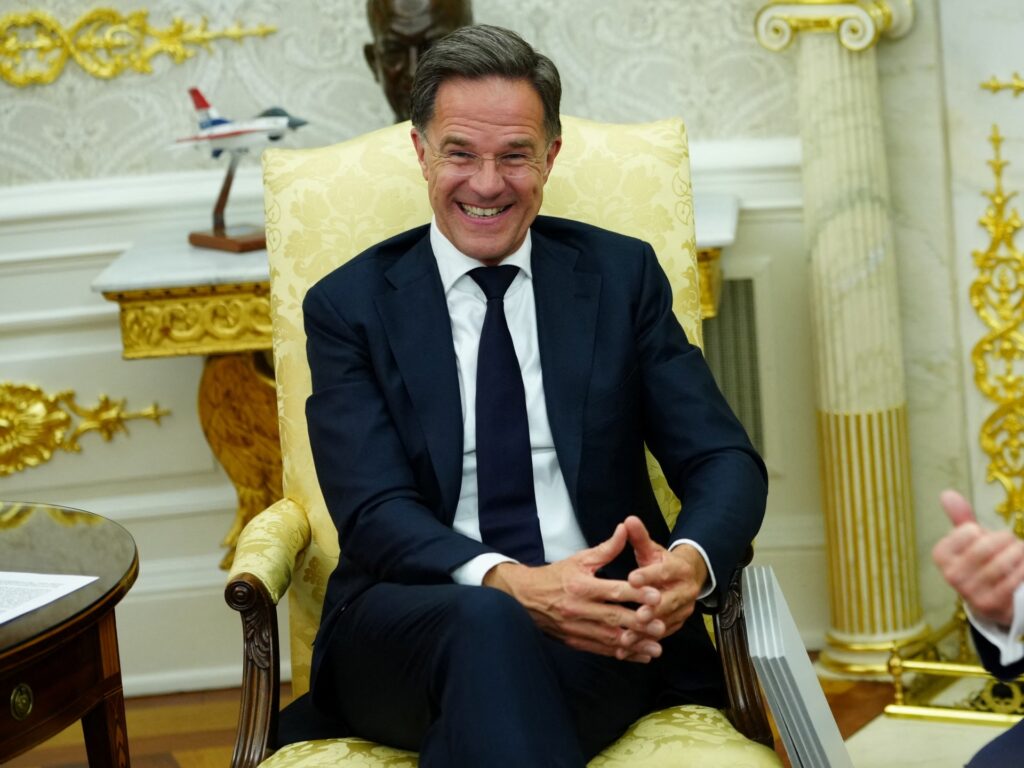
In a recent discussion between former U.S. President Donald Trump and NATO chief Mark Rutte, Trump sharply criticized NATO for what he described as lax participation in the ongoing conflict involving Iran. The conversation highlighted significant strains within the alliance regarding the role and commitment of NATO members in supporting the U.S.-led efforts related to the Iran conflict.
During the talk, Trump expressed dissatisfaction with the level of engagement from NATO members, suggesting that their involvement has been insufficient and that more robust participation is necessary to address the challenges posed by Iran effectively. He emphasized that the collective security principle of NATO should extend to support operations linked to the Iran situation.
In response, NATO chief Mark Rutte acknowledged the criticism but pointed out that the alliance has been contributing through strategic support roles, particularly the use of U.S. military bases located in Europe. Rutte stressed that these bases provide critical logistical and operational support to U.S. forces engaged in the region, reflecting NATO’s backing of American military efforts.
Rutte made clear that while NATO supports the U.S. war on Iran, direct combat involvement by all member states is a matter of national sovereignty and political decision-making within each country. He highlighted that NATO’s primary mission remains collective defense and that contributions to operations in Iran are coordinated based on consensus among its members.
The dialogue also brought attention to the broader geopolitical implications of the Iran conflict for Europe and the transatlantic alliance. Both leaders agreed on the need to maintain pressure on Iran through diplomatic and military means while ensuring the security of NATO territories and interests.
This exchange between Trump and Rutte underscores ongoing debates within NATO about the extent and nature of the alliance’s involvement in conflicts outside its traditional geographic scope. It poses questions about the future role of NATO in addressing emerging global threats and the expectations placed on member nations regarding burden-sharing.
Analysts suggest that the discussion reflects longstanding tensions between the U.S. and some European allies over defense commitments and the use of military resources. Trump’s critique may influence future NATO policies and reshape dialogues on international military cooperation, particularly in Middle Eastern conflicts.
As the situation with Iran evolves, NATO’s position and its members’ participation will likely continue to be a subject of intense political scrutiny and strategic deliberation. The conversation between Trump and Rutte serves as a reminder of the complexities involved in alliance politics and the challenges of maintaining unity in addressing multifaceted security threats globally.