Tensions in the Middle East continue to escalate as the US and Israel take decisive actions amid ongoing conflicts involving Iran and Lebanon. In recent developments, the United States has pledged to protect its strategic and economic interests in the Gulf region, emphasizing its commitment to stability and security amidst rising threats. Senator Marco Rubio, a key figure in US foreign policy, has publicly promised to safeguard Gulf interests during talks concerning Iran’s actions and its regional influence. Rubio’s statements underscore the US government’s intention to counter any aggression or destabilizing moves by Iran in the region.
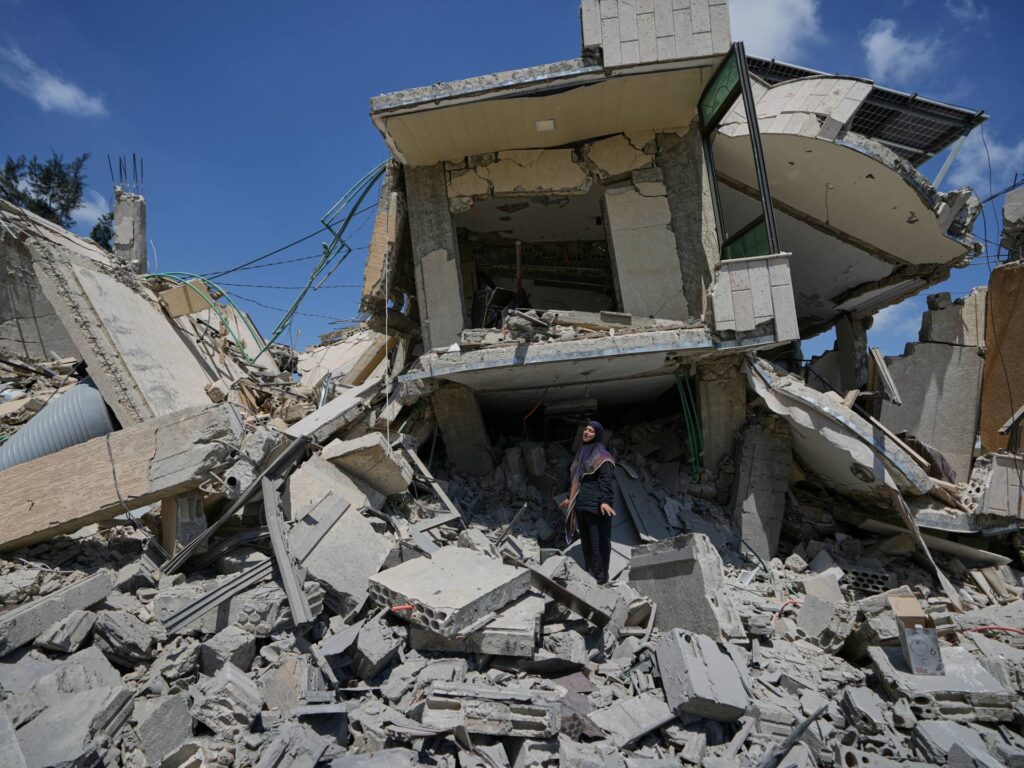
Simultaneously, Israel has intensified its military operations in southern Lebanon, reporting the deaths of two individuals. This action reflects Israel’s firm stance against Hezbollah and other hostile elements operating in Lebanon’s southern territories. Israeli officials have declared that there will be no withdrawal from southern Lebanon, signaling a protracted military presence aimed at deterring future attacks and maintaining security along the northern border.
The situation remains volatile with both the US and Israel demonstrating resolve through diplomatic and military measures. Iran’s role and influence in the region continue to be a central point of concern for international actors. As the conflict unfolds, the international community watches closely, worried about potential broader implications for regional peace and security.
Experts note that the Gulf region’s stability is critical for global economic interests, particularly concerning oil exports and maritime security. The US commitment to defend Gulf interests involves enhancing military readiness, strengthening alliances, and ensuring freedom of navigation through strategic waterways like the Strait of Hormuz.
Meanwhile, Israel’s persistent military engagement in southern Lebanon reflects a broader strategy to neutralize threats posed by Hezbollah, which is backed by Iran. The conflict between Israel and Lebanon remains a flashpoint that could ignite wider confrontations if not managed carefully.
In summary, the ongoing conflict highlights the complex geopolitical dynamics in the Middle East. US and Israeli actions signify a firm approach to counter threats from Iran and its allies. The situation demands vigilant monitoring and proactive diplomatic efforts to prevent further escalation and promote regional stability.