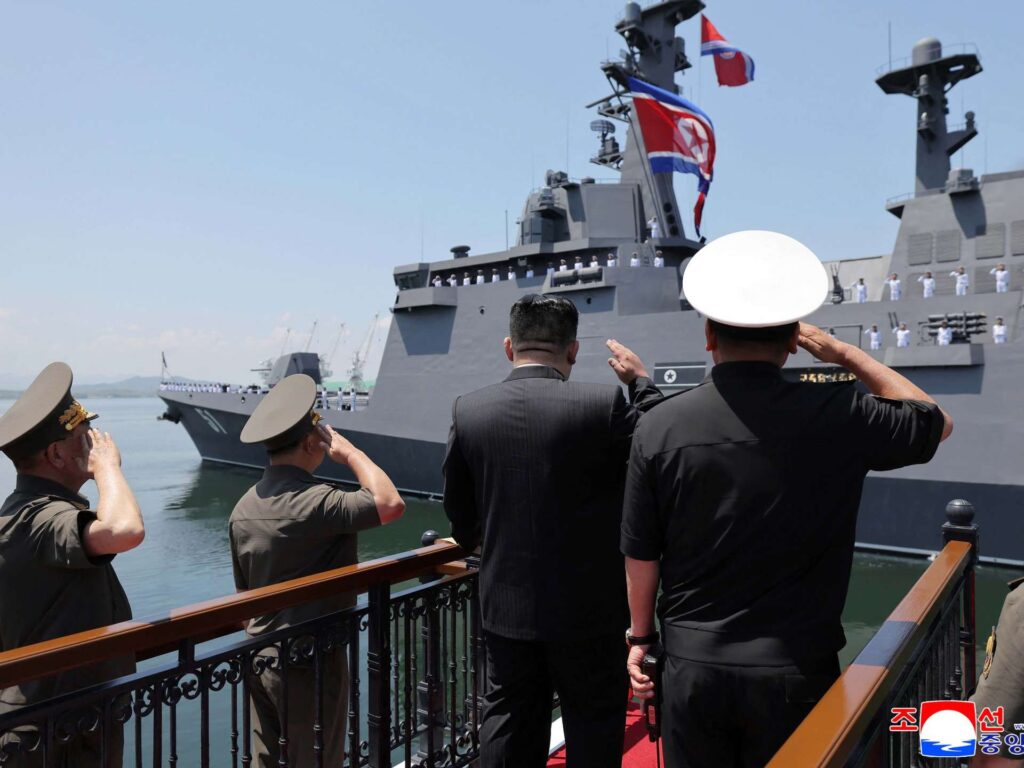
North Korea has recently commissioned its largest-ever warship, marking a significant development in its naval capabilities. The vessel, unveiled during a high-profile ceremony, demonstrates the regime’s commitment to expanding its maritime strength amidst ongoing regional tensions. Reports indicate that the warship features enhanced weaponry and advanced navigation technologies, aimed at bolstering the country’s defense preparedness. Analysts suggest that this move may alter the strategic balance in East Asia, particularly concerning the naval dynamics in the surrounding waters. Despite international concerns over North Korea’s military advancements, the regime continues to emphasize its right to self-defense and sovereignty. The commissioning of this largest warship signifies not only a technological milestone but also a strategic message to both regional adversaries and global powers. Experts predict that North Korea’s naval expansion could lead to increased patrols and potential assertiveness in contested maritime zones. This development comes amid heightened diplomatic efforts and ongoing negotiations aimed at curbing the country’s nuclear and missile programs. The warship’s capabilities reportedly include missile launch systems, anti-submarine warfare equipment, and electronic warfare tools, reflecting a comprehensive approach to modern naval warfare. Observers are closely monitoring the impact of this asset on regional security dynamics and the broader geopolitical landscape. The commissioning event was attended by top military officials and served as a demonstration of national unity and strength. This significant enhancement of naval power underscores North Korea’s strategic priorities and its ambitions to exert greater influence over regional waters. It also raises questions about future military procurement and potential arms races in the Asia-Pacific region. International responses have been mixed, with some countries expressing concern and urging restraint, while others view it as an internal matter. Overall, the introduction of North Korea’s largest warship represents a pivotal point in its military evolution and regional posture, warranting close observation from policymakers and security analysts worldwide.