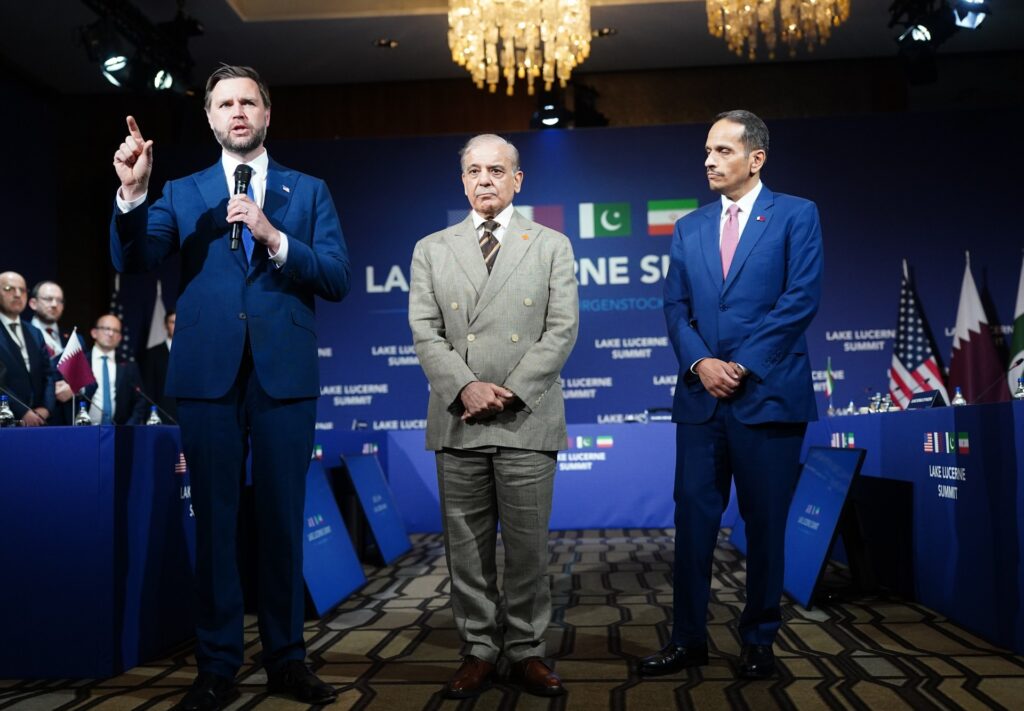
In a significant development amid ongoing tensions, the United States and Iran have agreed on a structured roadmap aimed at reaching a final deal within the span of 60 days. This marks a milestone in efforts to de-escalate conflicts and stabilize the region.
According to mediators involved in the negotiations, both nations have established a committee dedicated to overseeing the talks. This committee’s role is to ensure transparency, maintain diplomatic communication, and address issues as they arise during the negotiation period.
Additionally, a ‘de-confliction cell’ has been created with the objective of reducing and ultimately ceasing attacks in Lebanon. The cell is intended to serve as a communication link between the US and Iranian forces or associated groups, minimizing misunderstandings and preventing accidental escalations.
The agreement to create these mechanisms highlights a mutual interest in moving forward with diplomacy despite decades of hostility and conflict. The talks are expected to tackle a range of contentious issues including nuclear development, regional influence, and missile programs.
Experts suggest that the 60-day timeframe indicates a sense of urgency and a commitment to achieving tangible progress swiftly. The involvement of mediators has been crucial in bridging gaps and creating a procedural framework to guide sensitive discussions.
The establishment of these bodies not only aims to foster direct dialogue but also provides a platform for regular updates and accountability, which are essential in negotiating complex agreements.
This move could potentially pave the way for easing sanctions against Iran, which have been a significant point of contention impacting the country’s economy and international relations.
The situation in Lebanon, often a flashpoint for conflicts involving Iranian-backed groups and US interests, stands to benefit from the peace efforts initiated by the de-confliction cell.
If successful, this roadmap could signal a new chapter of cooperation and stability in the Middle East, where decades of conflict have taken a toll on regional and global security.
Observers remain cautiously optimistic, recognizing that while the agreement is promising, the path to a comprehensive peace deal will require sustained effort, political will, and mutual concessions.
The international community is watching closely as these talks proceed, hopeful that they will lead to a durable resolution and reduced hostilities.
In summary, the US and Iran have taken important initial steps by agreeing to a clear timeline and the creation of oversight and communication mechanisms, which together aim to lay the groundwork for a lasting agreement within two months.