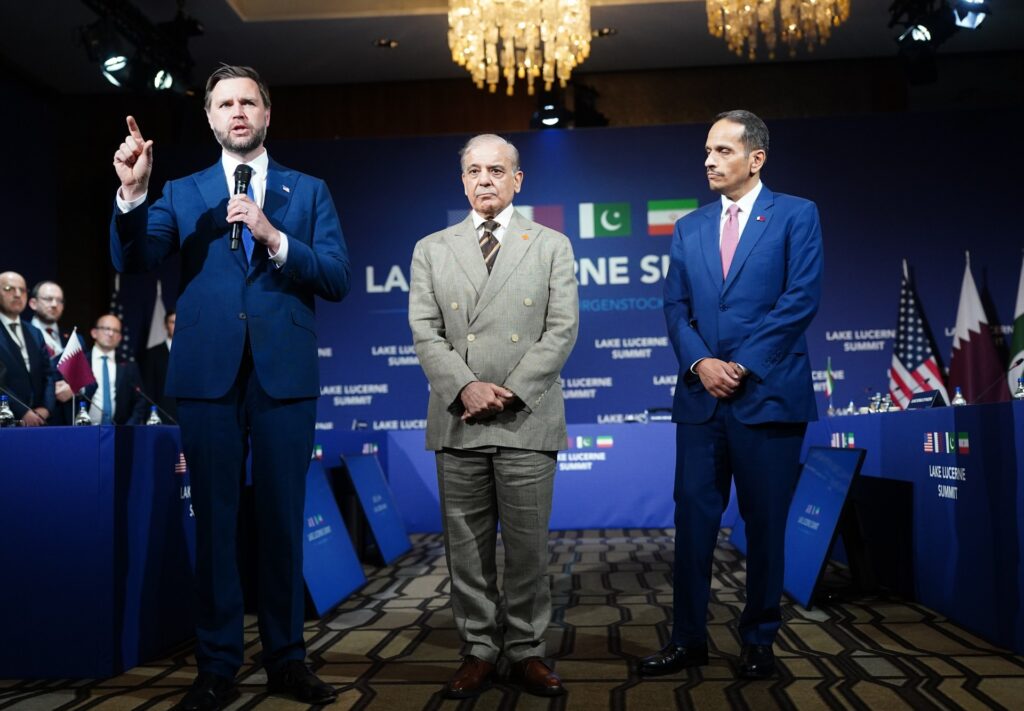
In a significant development in Middle Eastern diplomacy, the United States and Iran have agreed on a roadmap aimed at reaching a final deal within 60 days. This decision marks a critical step toward easing long-standing tensions between the two nations. Both parties have established a joint committee designed to oversee the ongoing talks, ensuring a structured and steady negotiation process.
Additionally, as part of the efforts to reduce hostilities, the two countries have created a ‘de-confliction cell’ with the aim of preventing further attacks in Lebanon. This initiative reflects the shared desire of Washington and Tehran, facilitated by mediators, to stabilize the security situation in Lebanon and prevent the escalation of military actions.
The agreement comes after months of intense negotiations, with international mediators playing a pivotal role in bringing the US and Iran to the table. The talks focus on various contentious issues, including nuclear activities, regional influence, and economic sanctions.
The newly formed roadmap stipulates that within 60 days, both countries should reach a conclusive agreement that addresses the primary concerns of each side. The establishment of the committee is expected to provide continuous oversight and facilitate communication barriers that have historically hindered dialogue.
The ‘de-confliction cell’ is a particularly noteworthy development, as Lebanon has often been a flashpoint for conflict involving Iran-backed groups and US interests. By creating a direct communication channel to manage and de-escalate potential confrontations, both nations show a commitment to reducing risks of unintended clashes.
Experts view this agreement as a breakthrough that could lead to improved stability in the region. However, challenges remain, considering the complex geopolitical dynamics and deep-rooted mistrust. The 60-day timeframe has been set to maintain momentum and accountability on both sides.
This development could also impact global economic conditions, especially in energy markets, by potentially easing sanctions-related disruptions and fostering more predictable regional security.
As discussions progress, international observers are keenly watching to see if this roadmap will result in a sustainable and comprehensive agreement. Should the talks succeed, it would represent a landmark achievement in diplomatic efforts to resolve one of the most intractable conflicts of the 21st century.
In summary, the US and Iran’s agreement to a 60-day roadmap and the establishment of oversight and de-confliction mechanisms signal a hopeful phase in international relations. The coming weeks will be critical in determining whether this framework can translate into lasting peace and cooperation.