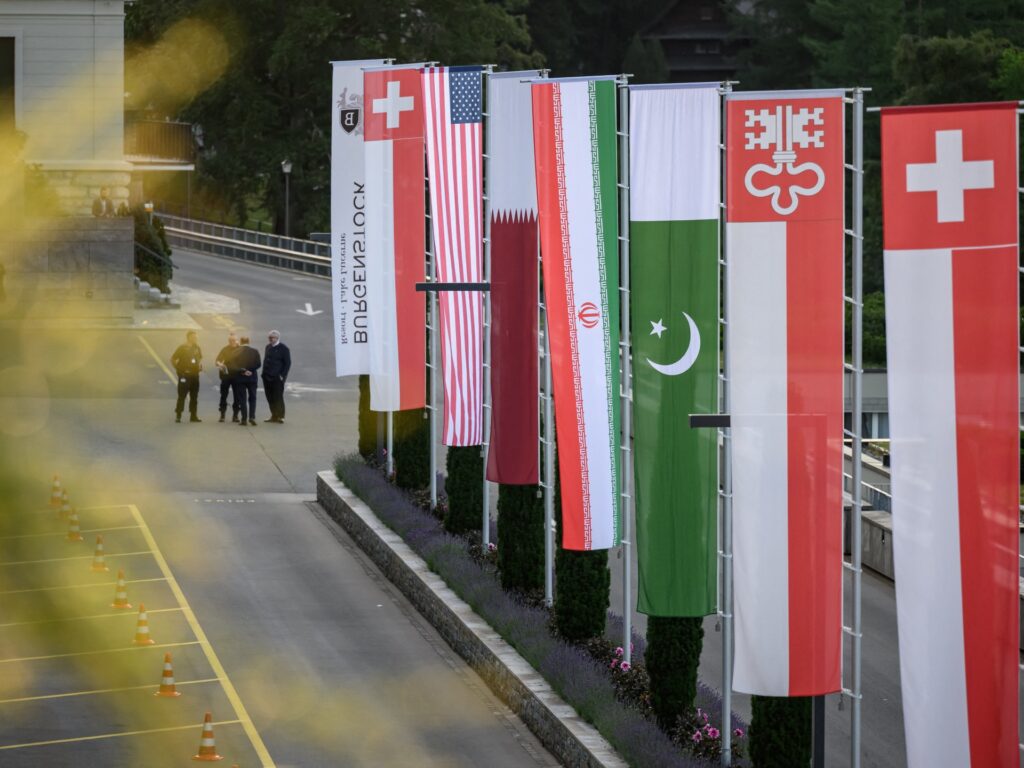
High-stakes talks between the United States and Iran are taking place in Switzerland, with Lebanon’s escalating crisis at the forefront of the agenda. As tensions in Lebanon intensify, particularly amid renewed attacks, Iran is pushing for the US to exert pressure on Israel to halt military actions in the region.
The meeting comes at a time when Lebanon is grappling with significant violence and instability, having experienced a surge in conflict that has escalated fears of a broader regional confrontation. Iran, which has historically been closely aligned with Lebanese factions, seeks to leverage this diplomatic engagement to influence US policy and curb Israeli military operations.
While the full list of attendees has not been publicly disclosed, it is known that top diplomats from both countries are participating. The Iranian delegation likely includes senior officials from the Ministry of Foreign Affairs and representatives involved in Middle East policy formulation. The US delegation is expected to be led by experienced diplomats specializing in Middle Eastern affairs and possibly representatives from the State Department and the National Security Council.
The discussions aim to address not only Lebanon but also broader regional security concerns. The US has been monitoring the situation closely, balancing pressure on Iran over its nuclear program with efforts to mitigate the risk of wider conflict involving Israel and its neighbors.
Lebanon, already reeling from a protracted economic crisis and political instability, now faces the added challenge of renewed violence. The involvement of Hezbollah, a powerful militant and political group backed by Iran, adds complexity to the situation. Iran’s call for the US to prevent further Israeli action in Lebanon underscores the high stakes involved in the negotiations.
Observers note that while these diplomatic talks hold potential for de-escalation, they also reflect the complicated and often adversarial nature of US-Iran relations. Both sides have significant differences, but shared concerns about instability in Lebanon may provide some common ground.
In summary, the ongoing US-Iran discussions in Switzerland are crucial as both nations navigate a path toward easing tensions in Lebanon. The outcome could impact not only Lebanese stability but also broader geopolitical dynamics in the Middle East. Stakeholders around the world are watching closely, hoping for a resolution that can prevent further conflict and promote peace in the tumultuous region.