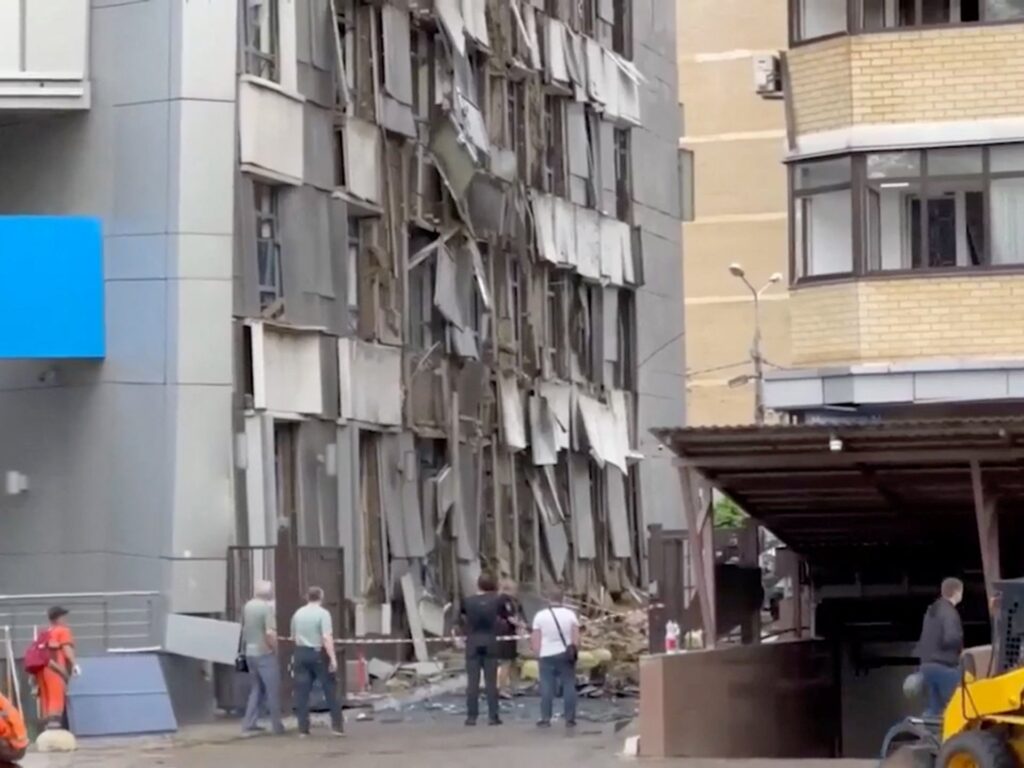
In a significant escalation of the ongoing conflict between Ukraine and Russia, Ukrainian forces have targeted oil facilities in the Russian-occupied Crimean Peninsula and the Krasnodar region of Russia. This move marks a critical chapter in the hostilities, highlighting the strategic importance of energy infrastructure in the war.
The attacks were confirmed by Crimea’s Moscow-installed leader, who reported that four individuals lost their lives in a drone strike on the Crimean Peninsula. This tragic incident underscores the volatility of the region and the human cost of the conflict.
Crimea, annexed by Russia in 2014, has been a focal point of tensions between the two countries. The peninsula’s strategic location on the Black Sea and its energy resources make it a vital asset for Russia, and a key target for Ukraine’s military efforts to reclaim territory.
The drone strikes on oil facilities signify a deliberate attempt by Ukraine to destabilize Russia’s control over crucial energy supplies, which are vital for both military and economic purposes. By targeting these infrastructures, Ukraine aims to disrupt Russia’s operational capabilities and exert pressure on Moscow.
The Krasnodar region, located in southern Russia near the Black Sea, was also hit, indicating an expansion of the conflict’s geographical scope. This development suggests that Ukraine is not only concentrating on reclaiming lost territories but also intends to weaken Russia’s internal regions that support the war effort.
These recent attacks come amidst heightened military activity and diplomatic tensions, raising concerns about the potential for further escalation in the region. International observers are closely monitoring the situation, as the conflict’s impact on global energy markets and regional stability could be profound.
The use of drones in warfare has become increasingly prevalent, offering tactical advantages such as precision targeting and reduced risk to personnel. However, their deployment in civilian areas or near critical infrastructure raises ethical and strategic questions about collateral damage and escalation.
The deaths of four people in the drone strike highlight the continued human suffering linked to the conflict. It also reflects the challenges faced by civilians living in contested and occupied territories, who bear the brunt of military actions.
As the situation develops, calls for diplomatic solutions and ceasefires have intensified, but so far, efforts have been unsuccessful in curbing the violence. Both Ukraine and Russia remain entrenched in their positions, with each side accusing the other of aggression and violations of international law.
The attacks on oil facilities represent not only a tactical move but also a symbolic message of resistance and resilience from Ukraine. By striking vital infrastructure, Ukraine aims to showcase its determination to reclaim sovereignty and challenge Russian dominance.
Meanwhile, Russia has condemned the strikes, vowing to retaliate and strengthen its security measures in the affected regions. The Kremlin’s response may involve increased military deployments and heightened security protocols to protect key assets.
The broader international community has expressed concern over the escalation, urging both parties to engage in dialogue and avoid further conflict. The situation remains fluid, with the potential for rapid changes depending on military developments and diplomatic interventions.
The conflict between Ukraine and Russia, rooted in complex historical and political factors, continues to evolve with significant ramifications for regional and global security. The recent attacks on oil facilities in Crimea and Krasnodar exemplify the high stakes and consequences of this ongoing war.