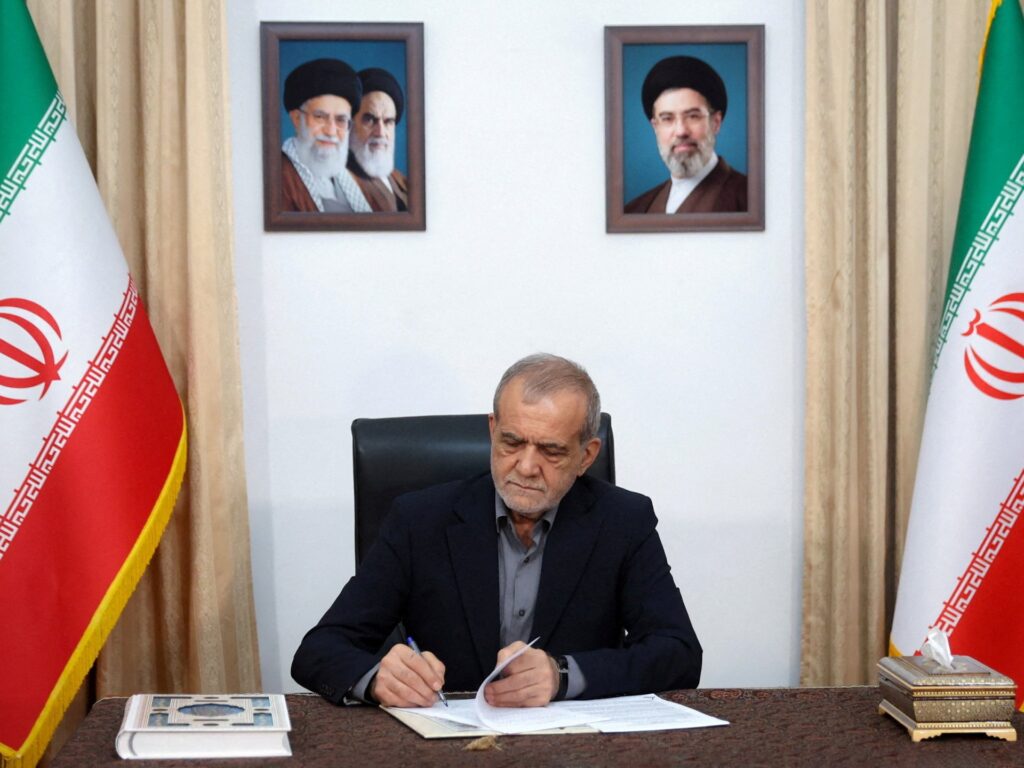
The conflict in Iran has entered its 112th day, marked by a complex interplay of diplomatic efforts, military developments, and geopolitical maneuvers. UN Special Envoy Jane Vance has recently voiced support for a deal involving Tehran and the United States, describing it as a significant diplomatic breakthrough amidst ongoing hostilities. According to Vance, the agreement—though carefully negotiated under severe pressure—has opened pathways towards easing tensions.
This development comes as Washington reportedly lifts its blockade on Iranian territories, a move interpreted by many as a gesture aimed at de-escalating the conflict and encouraging dialogue. The United States’ decision to end the blockade reflects a strategic shift designed to facilitate the delivery of humanitarian aid and to revive stalled peace negotiations.
Iran, on its part, has hailed what it terms “wartime gains,” emphasizing its resilience against foreign military pressure and asserting that continued resistance is yielding tangible benefits on the ground. Iranian officials have publicly expressed optimism that the deal and the easing of restrictions will bolster the nation’s position both politically and militarily.
However, the optimism is not shared universally; Switzerland, which had been slated to host critical peace talks, announced a cancellation of the planned meetings. Swiss authorities cited security concerns and the unpredictable nature of the conflict as reasons for suspending the diplomatic sessions. This cancellation raises questions about the immediate prospects for a peaceful resolution and highlights the international community’s challenges in navigating the crisis.
The geopolitical landscape surrounding the Iran conflict is complex. The lifting of the blockade by Washington comes amidst growing pressure from European allies and the United Nations to find a peaceful settlement. Iran’s assertiveness in the region, bolstered by its perceived wartime successes, complicates diplomatic efforts but also underscores the urgency of negotiations.
Analysts suggest that the deal endorsed by Vance could serve as a foundation for renewed dialogue if both parties manage to overcome mutual distrust and external challenges. The United States appears ready to engage more constructively, while Iran seeks to leverage its gains to secure concessions and reintegration into international frameworks.
Nevertheless, the cancellation of the Swiss talks highlights persistent obstacles. Security concerns are paramount, with risks of escalation looming large. International mediators face the delicate task of balancing pressure with incentives while managing divergent interests of regional and global powers.
The humanitarian situation remains dire in many parts of Iran, with civilians bearing the brunt of the conflict. Human rights organizations have called for unfettered access to affected areas and for sustained ceasefire measures to allow aid delivery.
Looking forward, the coming weeks are critical. Success hinges on the willingness of Tehran and Washington to continue engagement beyond the deal and on the international community’s ability to support a multi-track peace process.
In summary, Iran’s 112th day of war is characterized by a fragile hope fostered by a new US-Iran agreement, counterbalanced by setbacks such as the canceled Switzerland peace talks. The situation remains fluid, with diplomacy and conflict intertwined in a challenging quest for stability and peace.