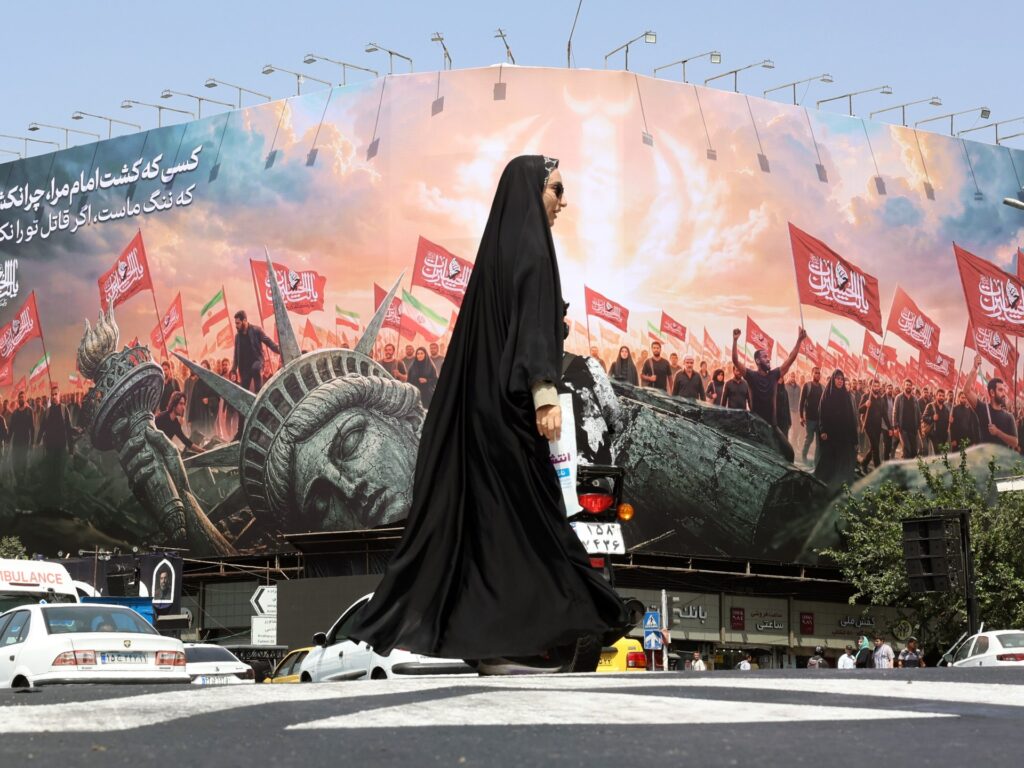
In a dramatic development amid ongoing tensions in the Middle East, the United States has announced that it is engaged in talks with Iran, a claim promptly denied by Tehran. The situation escalated as former U.S. President Donald Trump issued a stark warning, calling the negotiations Iran’s “last chance” to secure a deal.
This latest announcement comes at a critical time when diplomatic efforts to de-escalate conflict and prevent war are seen as paramount by the international community. The U.S. administration claims to have initiated or participated in talks aimed at curbing Iran’s nuclear ambitions and addressing broader regional security concerns. However, Iranian officials have publicly dismissed the reports of dialogue, insisting that there are no ongoing negotiations with the U.S.
Trump’s remarks underscore the heightened tensions and the potential for swift action if diplomacy fails. He emphasized the urgency of the talks, suggesting that they represent a final window for Iran to engage constructively and reach an agreement that addresses U.S. and allied concerns.
The backdrop to these developments includes years of strained relations between the two nations, marked by sanctions, proxy conflicts, and mutual accusations. The Trump administration’s approach to Iran has been characterized by a “maximum pressure” campaign, aiming to compel Tehran to alter its nuclear program and regional policies.
Tehran’s denial of talks has raised questions about the sincerity and substance of the U.S. claims. It also reflects the internal and regional complexities that influence Iran’s foreign policy decisions. Authorities in Iran may be wary of appearing to concede in the face of American pressure or politically vulnerable domestically.
International observers have cautioned that miscommunication or misunderstandings in such a volatile context could lead to unintended consequences. The denial and simultaneous acknowledgment of talks illustrate the delicate balancing act both sides face as they navigate the crisis.
The global community watches closely, with many nations advocating for a peaceful resolution and urging restraint. Diplomatic channels outside the public eye may still be active, as officials seek to exploit any opportunity to avoid escalation.
The U.S. stance, as articulated by Trump, insists on a firm approach, signaling that any failure by Iran to commit to substantive talks and agreements will be met with intensified measures. This includes the possibility of increased sanctions or other actions designed to isolate Iran economically and politically.
Iran, meanwhile, continues to assert its right to develop its nuclear program for peaceful purposes, rejecting demands that it halt enrichment activities. Its leadership maintains that national sovereignty is paramount and warns against external interference.
The ambiguity surrounding the current state of U.S.-Iran relations leaves analysts in a state of uncertainty. The denial from Tehran juxtaposed with assertions from U.S. officials paints a picture of a complex and fraught negotiation landscape.
Future developments hinge on whether direct or indirect dialogue channels can be sustained and whether mutual concessions can be reached. The stakes are high, as failure to resolve these issues peacefully could lead to broader regional instability or even open conflict.
In summary, the recent claims of talks between the U.S. and Iran, denied by Tehran, coupled with Trump’s stark warning, highlight the precarious state of affairs. The world remains on edge, hoping for diplomacy to prevail in what may indeed be the “last chance” to secure a deal and prevent war in one of the world’s most volatile regions.