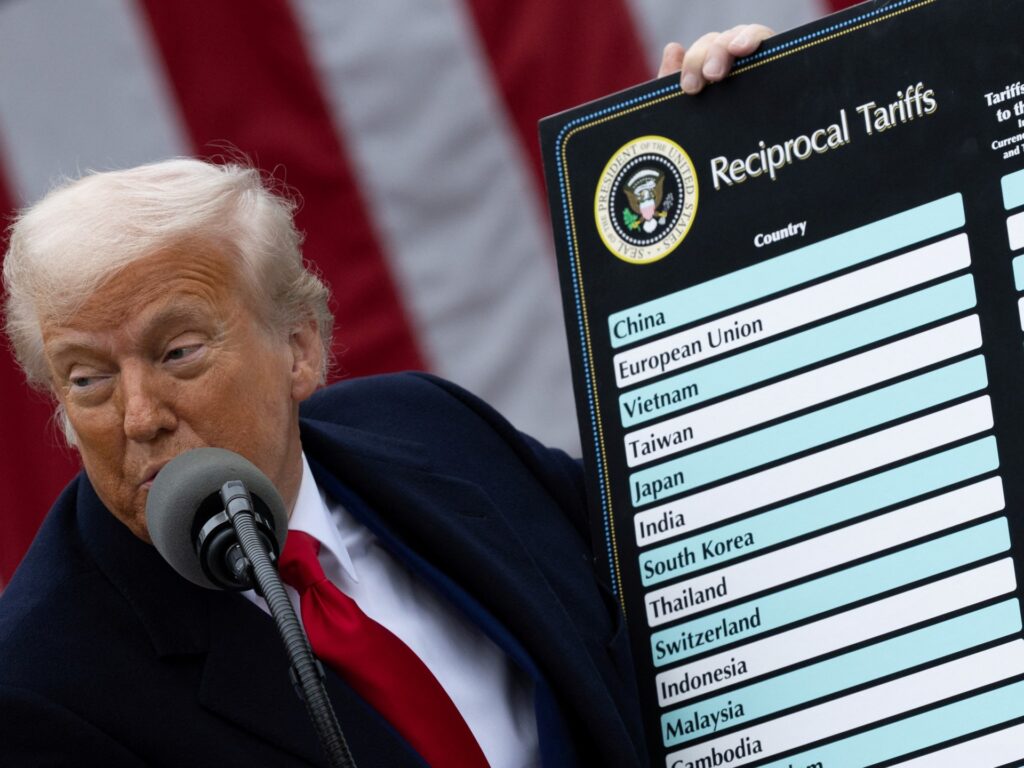
The Trump administration has been sued by 25 states over the imposition of new tariffs on various trading partners. The states argue that these new levies serve as a pretext to re-impose tariffs that were previously ruled illegal by the US Supreme Court. According to the states, the administration’s actions undermine the Court’s decision and unfairly impact their economies and businesses reliant on international trade.
The lawsuit highlights the ongoing tension between federal trade policies and state interests. The affected states claim that these tariffs have led to increased costs for local industries, disrupted supply chains, and threatened jobs, particularly in sectors dependent on imports and exports.
The Supreme Court had previously ruled against similar tariffs, deeming them unlawful, which makes the current tariffs controversial and legally questionable. The legal challenge by the 25 states seeks to block the administration’s new tariff measures and maintain consistency with the high court’s decision.
Trade experts suggest that these tariffs could escalate tensions with international partners and potentially lead to retaliatory measures, further complicating global trade relations. The legal battle will likely address the limits of federal authority in setting trade policy and the implications for state economies.
This lawsuit underscores the broader debate about the balance of power between federal authority and state rights in matters affecting commerce and trade. As the case moves forward, it could have significant ramifications for trade policy, the administration’s approach to tariffs, and the relationship between Washington and the states involved.