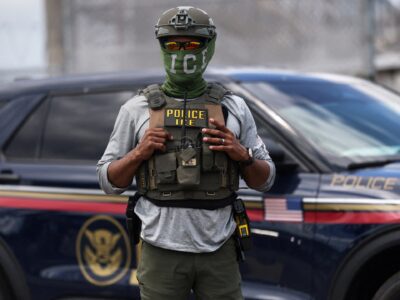
The labels attached to political and militant movements—”terrorist” or “agents of change”—can be highly subjective and politically charged. What one era or ruling power condemns as terrorism, another might later honor as a struggle for justice or liberation. Understanding who decides these labels and how history judges these movements reveals much about the interplay of power, narrative, and social change.
The term “terrorism” is inherently political. It is often used by those in power to delegitimize opposition groups that use violence to challenge the status quo. Governments, international organizations, and media outlets play significant roles in defining which groups are branded as terrorists. These decisions hinge on perspectives, interests, and the geopolitical context of the time.
Historically, many movements initially condemned as terrorists have, in hindsight, come to be seen as legitimate freedom fighters or revolutionaries. For example, groups that fought colonial powers or oppressive regimes using violent tactics were once labeled terrorists by their adversaries but later celebrated as champions of independence and human rights.
The Irish Republican Army (IRA) and Nelson Mandela’s African National Congress (ANC) are notable cases. Both used armed struggle and were considered terrorist entities by some during their campaigns. However, over time, international opinion shifted. Mandela was freed and eventually became South Africa’s president, symbolizing reconciliation rather than terror.
Likewise, the American Revolutionaries were once branded as insurgents and terrorists by the British Crown. Today, they are commemorated as heroes who fought for democratic ideals.
The reevaluation of such groups often occurs when political tides change, narratives are rewritten, and broader societal values evolve. Victorious factions or future governments typically influence these reinterpretations, highlighting the fluid nature of historical judgments.
Contemporary conflicts show similar patterns. Groups called terrorists today may, depending on future developments, be reevaluated in light of their causes, methods, and contributions to social or political transformation.
Ultimately, this dynamic illustrates how the line between terrorism and legitimate resistance is often blurred and dependent on perspective. History judges movements not only by their actions but by the outcomes and the narratives shaped by victors and survivors.
Understanding this complexity encourages a critical approach to contemporary conflicts and the language used to describe them—recognizing that today’s ‘terrorists’ might be tomorrow’s agents of change.